
Few countries have national or regional screening programs for low-dose computed tomography (LDCT). Even where such programs are available, uptake to LDCT lung cancer screening remains suboptimal in real-world practice. As such, significant barriers and disparities persist with implementing LDCT-mediated lung cancer screening.

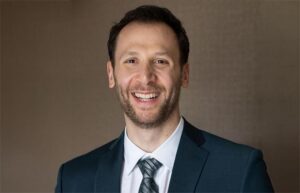
Ricardo Sales dos Santos, MD, PhD, a member of IASLC’s Screening and Early Detection Committee, shared findings from the Third Brazilian Early Lung Cancer Trial during a session at the 2026 World Conference on Lung Cancer (WCLC). Presentations focused on the burden of lung cancer, uptake and impact of different screening approaches, and the potential application of artificial intelligence in lung cancer screening worldwide.
“Access to lung cancer screening remains uneven in Brazil. Evidence [on LDCT screening] in Latin America is limited,” said Dr. Santos, professor at Manufacturing and Technology Integrated Campus (SENAI CIMATEC) in Salvador, Brazil, and a thoracic surgeon at Hospital Israelita Albert Einstein, São Paulo, Brazil.
BRELT1, an LDCT-based lung cancer screening research initiative, showed in 2016 that lung cancer prevalence in a region of Brazil considered endemic for granulomatous disease, especially tuberculosis, was comparable—about 1.5%— to that reported in international studies. BRELT2, which included 3,819 individuals across three Brazilian states who underwent LDCT, showed that this screening approach was feasible across practice settings in Brazil.
BRELT3 was a prospective, single-arm observational study designed to expand access to lung cancer screening by incorporating a mobile CT unit. In BRELT3, individuals aged 50 to 80 who currently or previously smoked (at least 20 pack-years and no more than 15 years since smoking cessation) were screened with mobile LDCT unit between 2023 and 2025.
Individuals considered potential participants in BRELT3 were from one of four cities in Northeast Brazil who belong to high-risk populations facing social and geographic barriers.
Dr. Santos said the main objective of the study was to describe clinical and tomographic findings, to quantify pulmonary nodule and lung cancer frequency, and to examine the contribution of community health workers (CHWs) in reaching socially vulnerable participants.
Study participants were recruited using media campaigns for community outreach and increased awareness as well as active outreach via CHWs in primary care and community practice settings.
Eligible participants then underwent LDCT, and the findings were classified according to the 2022 version of Lung-RADs. Individuals placed into Lung-RADs categories 3 and 4 were then referred for further diagnostic workup.
Of 5,223 potential participants, 2,018 met eligibility criteria and underwent LDCT screening. The mean age of the cohort was 62; 53% were female, 39% identified as Black, and 87% self-identified as nonwhite. Nearly two-thirds (64%) had received primary-level education.
Most (58.8%) participants currently smoked, and 70.7% had high or very high nicotine dependence. The median body mass index was 24.5, and 22% reported a family history of lung cancer.
Among the 2,018 participants, LDCT findings placed the vast majority into Lung-RADS category 2 (57%) and 1 (28%). The remaining participants were distributed across categories 3 (5%), 4A (5%), 0 (3%), 4B (1%), and 4X (1%). The estimated 6-year lung cancer risk was greater than 2% in 66% of participants, using the PLCOm2012-noRace risk model.
In all, 283 (12%) of screened participants had suspicious findings, based on Lung-RADS 3 and 4 categories. Among the 46 for whom biopsy was indicated, 34 underwent biopsy and completed diagnostic procedures.
There were 18 lung cancer diagnoses, representing 0.84% of the screened population, with 33% diagnosed with stage III or IV disease. Ten patients diagnosed with lung cancer underwent surgery.
Dr. Santos said that BRELT3 showed that mobile CT can bring lung cancer screening closer to high-risk populations in underserved communities. In addition, CHWs helped screening reach populations facing greater access barriers.
The BRELT3 experience also emphasizes the need for continued care after screening is completed, Dr. Santos said. Effective implementation of lung cancer screening requires the continuum of outreach, screening, diagnosis, and treatment.
“Our central message here is to bring a coordinated care pathway closer to the population at each step,” Dr. Santos said.