A Thursday morning session at the 2026 European Lung Cancer Conference (ELCC) will highlight unique settings in lung cancer care. The session, titled Approach to the Complex Lung Cancer Patient: Challenges and Strategies, will cover a range of topics, including respiratory and cardiac comorbidities and the impact of polypharmacy.
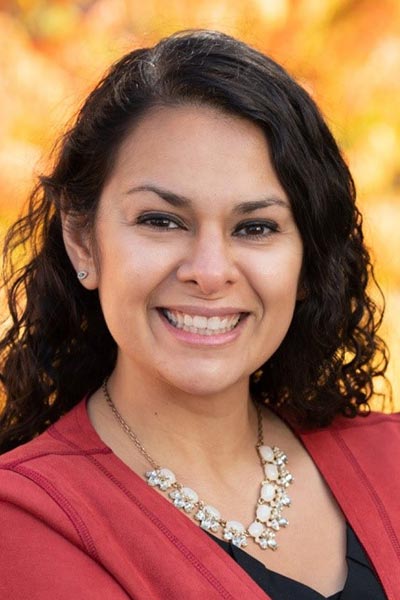
Narjust Florez, MD, will deliver a presentation on the management of lung cancer in younger patients. While historically rare, lung cancer incidence in patients under the age of 50 is increasing, presenting a unique set of challenges.
From diagnosis and management to side effects, fertility, survivorship, and end-of-life care, Dr. Florez outlines the various hurdles she will address during her presentation.
ILCN: Could you please provide a high-level summary of your presentation?
Dr. Florez: Since 2018, we have been researching early-onset lung cancer, following a publication by Jemal et al. in the New England Journal of Medicine. Their study reported that young women are more likely to develop lung cancer than young men, irrespective of tobacco use. This incidence continues to increase globally.
Lung cancer has now become the fourth leading cause of cancer-related deaths among young patients. The leading cause is colorectal cancer, which has been widely covered in the news; however, it is often not mentioned that lung cancer is the fourth most common cause of cancer death in this population, in part due to the stigma associated with the disease.
A characteristic feature of lung cancer in young individuals is its high prevalence among young women, particularly among those who have never used tobacco. If we look at the statistics, approximately 60% to 66% of young patients—under 50 years of age—are women with no history of tobacco use.
Most lung cancer treatments were developed for older patients. The median age of participants in the clinical trials that led to the approval of the chemo-immunotherapy regimens currently used for lung cancer was 67 years. However, as mentioned, we define “young” patients with lung cancer as those under 50 years of age.
End-of-life care is also extremely important in managing young patients with lung cancer. As oncologists, we often hesitate to initiate conversations about end-of-life care with younger patients. However, despite being younger and often having longer survival compared to older adults, many of these patients will ultimately not survive the disease. Therefore, addressing end-of-life care openly and thoughtfully is a crucial part of comprehensive care for this population.
ILCN: Why is managing lung cancer in younger patients such an important and timely topic for the oncology community?
Dr. Florez: The timing is more important than ever because, unfortunately, we are not clinically prepared to meet the needs of these patients. We still don’t associate lung cancer with younger adults, which leads to significant delays in diagnosis, particularly among women.
In the LEAD study, we found that lung cancer symptoms are often misattributed to anxiety or other mental health disorders in women under 50. If we continue ignoring this larger issue, more patients will be diagnosed at a stage when curative treatment is no longer possible, and all available treatments are only palliative in nature.
We are witnessing a global increase in lung cancer among young people. This trend is not unique to the United States; it has also been reported in countries such as Spain, France, Mexico, Brazil, Australia, China, and India. Despite this, the issue has only recently begun to receive widespread attention.
It’s time to recognize that young patients can develop lung cancer to ensure they receive a timely diagnosis. We need to adapt our approaches for younger patients and consider their unique needs when making treatment decisions, such as fertility, sexual health, financial toxicity, childcare, and the risk of long-term adverse events.
ILCN: Are there any specific themes or key takeaways you would like to highlight?
Dr. Florez: I believe there are several important issues:
- Increasing incidence and delays in diagnosis: Young patients typically do not qualify for lung cancer screening because the age cutoff is 50. Ironically, this is what separates a “young” from an “older” patient, although they face many of the same challenges.
- Fertility and pregnancy: Most women with lung cancer are not offered the option of fertility preservation—it’s never even discussed. While this is routinely considered for patients with breast cancer, melanoma, and lymphoma, there remains a persistent belief that young women with lung cancer don’t have the right to consider childbearing in the future.
- Mental health: We found that younger patients are significantly more likely to experience mental health issues, including depression, anxiety, and fear of dying, compared to older patients in our psychosocial needs assessment study, which was presented at the 2025 WCLC in Barcelona, Spain. However, their mental health needs remain largely unaddressed.
- Financial toxicity: Many young patients with lung cancer are diagnosed in their 40s. I refer to them as the “sandwich generation” because they are usually the primary caregivers, often caring for both young children and their aging parents. When these patients become ill, they are often isolated with limited resources and support, facing significant financial strain.
ILCN: Why is this topic important to you both personally and professionally?
Dr. Florez: While training to become a phase I trialist, I learned how stigma surrounding lung cancer permeates the lives of young patients. I noticed these women were unheard and not taken care of, which entirely changed my career path.
I decided that caring for younger patients was my mission, and I have continued to do so—not only in my clinic but also internationally—by speaking about it and discussing their unique needs, ranging from timely diagnosis to sexual health and fertility. I don’t believe in waiting for the system to fix the problem. We often underestimate the power of one person or a small group of individuals with the same goal.
This is a personal matter because these patients have become like family to me. Many of them endure multiple doctor visits before being diagnosed with lung cancer, and I don’t want them to continue experiencing that. It is also a career journey that began with a single patient encounter—a young woman with lung cancer who changed my life forever.
ILCN: Is there anything in particular you are looking forward to regarding this presentation or ELCC 2026 in general?
Dr. Florez: We will discuss topics that are often overlooked in lung cancer. It’s not only about lung cancer in young patients; we will also address smoking cessation and long-term toxicity.
I believe this will be a great opportunity for attendees to learn about aspects of lung cancer that are not often discussed. It goes beyond asking, “What drugs are we using?” It’s about helping our patients not only live longer but also live better.
It’s time for us to openly talk about and address these subjects.
ILCN: Is there anything you hope the audience takes away, or any additional information you’d like to share with readers?
Dr. Florez: I think the message of the presentation is clear: the face of lung cancer is changing, and it’s changing fast. We need to prepare for this change.