




-
Interim NADIM ADJUVANT Data Suggest Adjuvant Chemo-IO May Reduce Recurrence Risk in Patients Following Complete Resection
-
Final FLAURA2 OS Data Show Osimertinib Plus Chemo Offers Benefit Compared with Monotherapy
-
Potential Impact of GLP1-RAs on TKI-induced Weight Gain in Patients with NSCLC
-
No “Known” Risk Factors: The Health Consequences of Radiation Therapy
-
Discussion Covered Updates, Strategies, and Controversies in Lung Cancer Staging
-
No PFS, OS Benefit Seen in Final Results from PACIFIC-2
-
WCLC Attendees Hear Preview of Proposed Changes for the 9th Edition of the TNM Staging Classification for Thoracic Cancers
-
Treatment of Immunotherapy-Related Dermatologic Toxicities: An Interview with Dr. Mario Lacouture
-
A Holistic Approach to Patient Care
Sign up for news updates
October 2020
-

Implications of the PACIFIC Trial in 2020
Approximately one-third of patients with NSCLC are diagnosed with stage III disease.1 Concurrent platinum-based chemotherapy with thoracic radiation (CRT) has been considered the cornerstone of treatment for patients with inoperable stage III disease. Consolidation immunotherapy with the PD-L1 inhibitor durvalumab following CRT has revolutionized the treatment paradigm for patients with locally advanced NSCLC and is…
-

Good Communication Strategies While Wearing PPE
Lung cancer care providers have traditionally relied on facial gestures to show empathy. With face coverings now the norm, empathy can actually be shown through improved processes.
-

The Immune System: A New Organ at Risk in Lung Cancer Radiation Therapy?
IN REFERENCE TO: Ladbury CJ, Rusthoven CG, Camidge DR, Kavanagh BD, Nath SK. Impact of radiation dose to the host immune system on tumor control and survival for stage III non–small cell lung cancer treated with definitive radiation therapy. Int J Radiat Oncol Biol Phys. 2019;105(2):346-355. The immune system plays critical roles in the pathogenesis,…
-
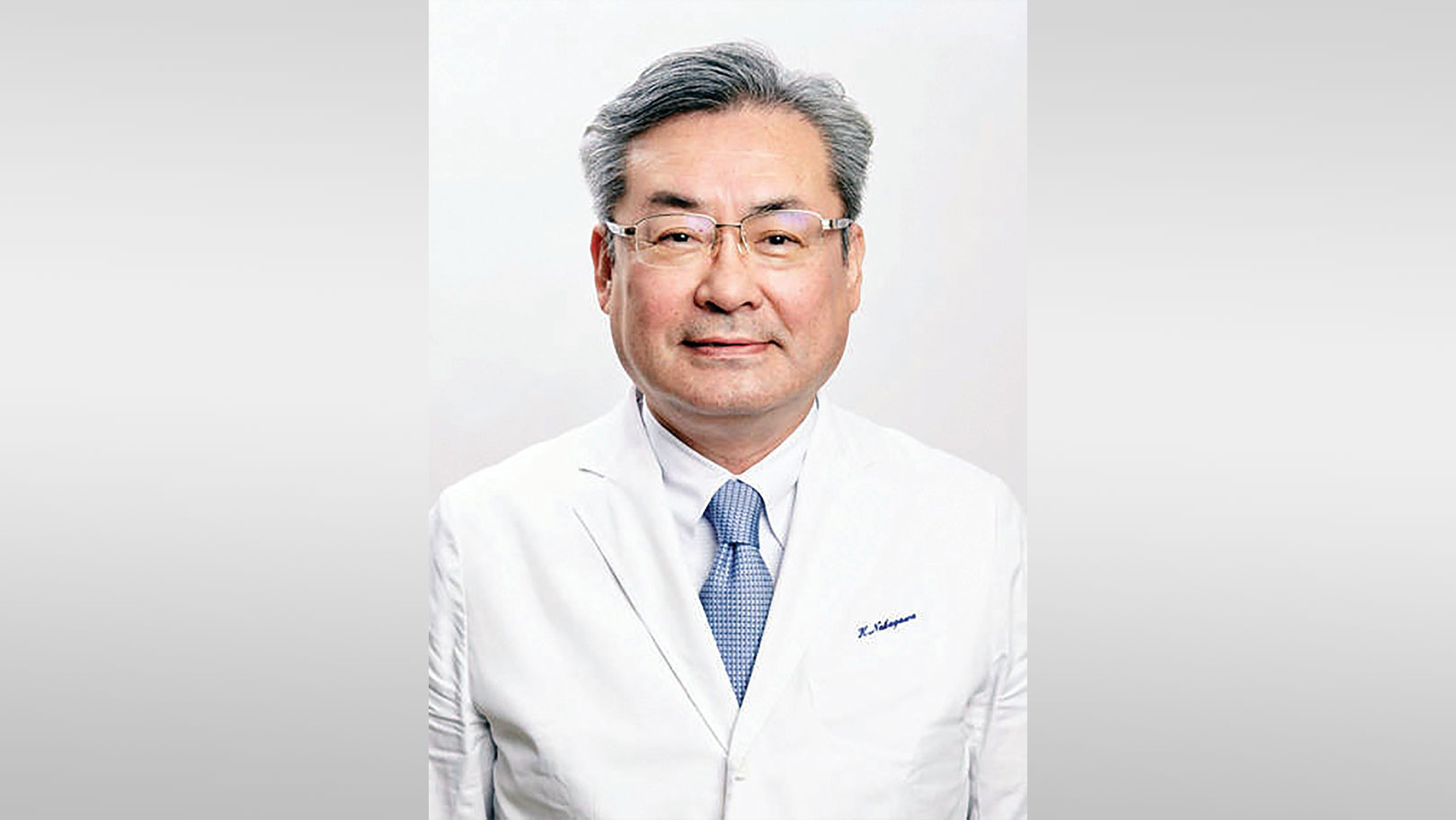
Dr. Kazuhiko Nakagawa Discusses RELAY Study Data, Implications for Practice
Kazuhiko Nakagawa, MD, PhD, is a professor in the Department of Medical Oncology, Kindai University, Faculty of Medicine, in Japan, and he served as the lead principal investigator on the RELAY study, which investigated ramucirumab plus erlotinib in patients with untreated, EGFR-mutated, advanced NSCLC.1 In the following interview, Dr. Nakagawa discusses the trial’s results, as…
-
Checkpoint Inhibitors in SCLC: Putting the Most Novel Data in Context
Two separate randomized phase III trials have established atezolizumab (IMpower1331 and durvalumab (CASPIAN2) as first-line treatments for extensive-stage (ES) SCLC in combination with chemotherapy followed by these same checkpoint inhibitors (CPIs) as maintenance on the basis of improvements in OS and PFS outcomes. Hence, the question for clinicians is whether there is a difference between these…
-

Multidisciplinary Tumor Boards: Integrating Best Patient Care and Education in Precision Medicine
One of the pillars of organ-specific tumor centers certified by the German Cancer Society, such as lung, breast, and prostate cancer centers, is a weekly multidisciplinary tumor board (MTD). In our comprehensive cancer center (Center for Integrated Oncology Cologne; CIO), nearly all patients receiving first-line treatment and a substantial portion of patients whose disease has…
-
Understanding the Promising Role of Stereotactic Ablative Radiotherapy in Treating Patients With Oligometastatic Disease
The recently published long-term results of the SABR-COMET phase II trial have further invigorated treatment options for patients with oligometastatic cancer.1 The early results of the SABR-COMET trial published in April 2019 showed significant promise for stereotactic ablative radiotherapy (SABR) in treating oligometastatic disease, resulting in an OS and a PFS benefit.2 The long-term results…
-
The Rationale for Local Consolidation Therapy in Oncogene-Driven NSCLC
The availability of effective TKIs for patients with metastatic NSCLC with targetable oncogenes such as EGFR, ALK, ROS1, and BRAF has transformed the treatment landscape, extending median expected OS from approximately 1 year to 3 years or more in recent studies.1,2 Initial treatment with TKIs is accompanied by rapid tumor shrinkage in the vast majority…
-

University of California, Davis, Thoracic Oncology Innovation Group to Again Host Latin American Oncologists for 3-Day Preceptorship
David R. Gandara, MD, past-president of the IASLC and director of Thoracic Oncology and senior advisor, UC Davis Comprehensive Cancer Center (UCDCCC), has always had a passion for mentorship, largely as a means of giving back to others in appreciation for his own early-career mentorship. Through his activities in the IASLC, he has been engaged…
-
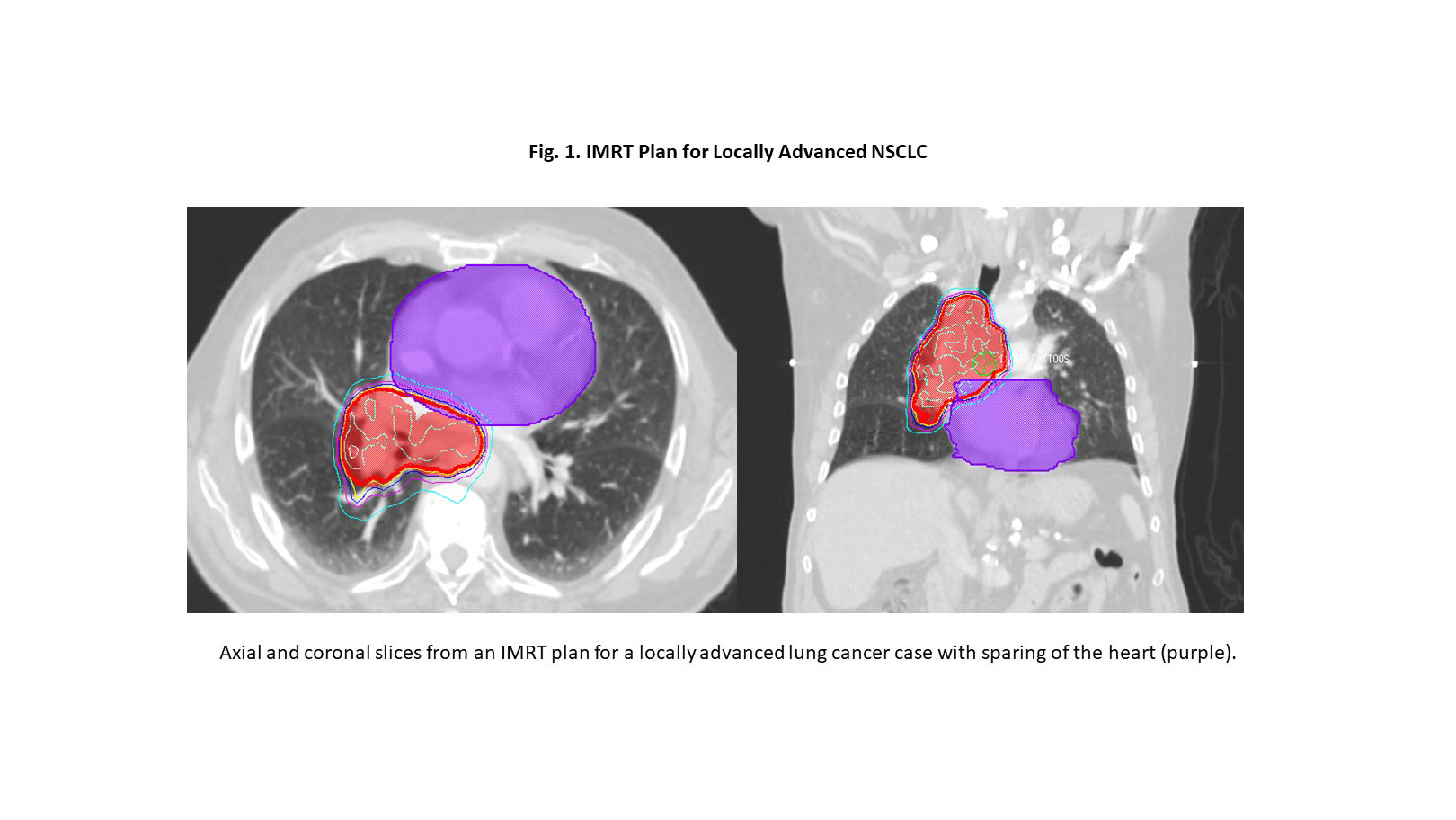
Cardiac Radiation Dose, Cardiac Events, and Survival in Locally Advanced NSCLC
Megan Daly The standard of care for fit patients with unresectable, locally advanced (LA-) NSCLC is concurrent chemoradiation (CRT) followed by consolidation durvalumab. However, thoracic radiation (RT) for lung cancer carries a substantial risk of toxicity. The risk of acute and subacute pulmonary toxicity has long been recognized, but cardiac injury was traditionally believed to…
View ILCN Archives
Provider Resources
Popular Articles