




-
Interim NADIM ADJUVANT Data Suggest Adjuvant Chemo-IO May Reduce Recurrence Risk in Patients Following Complete Resection
-
Final FLAURA2 OS Data Show Osimertinib Plus Chemo Offers Benefit Compared with Monotherapy
-
Potential Impact of GLP1-RAs on TKI-induced Weight Gain in Patients with NSCLC
-
No “Known” Risk Factors: The Health Consequences of Radiation Therapy
-
Discussion Covered Updates, Strategies, and Controversies in Lung Cancer Staging
-
No PFS, OS Benefit Seen in Final Results from PACIFIC-2
-
WCLC Attendees Hear Preview of Proposed Changes for the 9th Edition of the TNM Staging Classification for Thoracic Cancers
-
Treatment of Immunotherapy-Related Dermatologic Toxicities: An Interview with Dr. Mario Lacouture
-
A Holistic Approach to Patient Care
Sign up for news updates
-

FDA Approves Pralsetinib for RET Fusion–Positive NSCLC
The US Food and Drug Administration (FDA) granted Accelerated Approval to pralsetinib as treatment for adults with metastatic NSCLC who harbor RET fusions. The first and only test to identify RET fusion–positive NSCLC, the Oncomine Dx Target Test, was granted premarket approval as a companion diagnostic for pralsetinib therapy. The test will be updated to report RET fusions by early 2021 in the United States. Pralsetinib’s approval…
-

Huge Strides for Liquid Biopsy Assays with Two FDA Approvals
August 2020 was a groundbreaking month for liquid biopsy technology, with two assays approved by the US Food and Drug Administration (FDA) as companion diagnostics just weeks apart. The Guardant360 CDx assay, approved August 7, was the first liquid biopsy companion diagnostic to also incorporate next-eneration sequencing (NGS). Approved specifically to identify EGFR mutations in patients with NSCLC in order to appropriately select for osimertinib therapy, the assay …
-

A Decade of Changes in Lung Cancer, with More to Come
Using data from SEER databases, Howlader and colleagues recently reported that incidence-based mortality from NSCLC in men decreased from 6.3% annually (95% CI, 3.4 to 9.0) from 2013 through 2016, in contrast to the period between 2006 and 2013, when it decreased by 3.1% annually (95% CI:2.8 to 3.3); In women, incidencebased mortality decreased slowly, by 2.3% annually from 2006 through 2014, and then at…
-

Stage IIIA NSCLC: A Review of Recent and Ongoing Trials
Trial data can help inform change to standard of care, but at what point do we say enough data is enough and move forward with combination therapy as the new standard of care?
-

Building and Maintaining a Patient–Physician Relationship in the COVID-19 Era
As oncologists, we recognize that the patient–physician relationship is of utmost importance in establishing the patient’s trust in the physician and in the physician’s ability to learn more about the patient’s needs and perform accurate assessments for treatment planning. The majority of this relationship is established through face-to-face office visits. During this time of unprecedented challenge caused by COVID-19, patients are self-quarantining and medical practices are encouraging virtual…
-
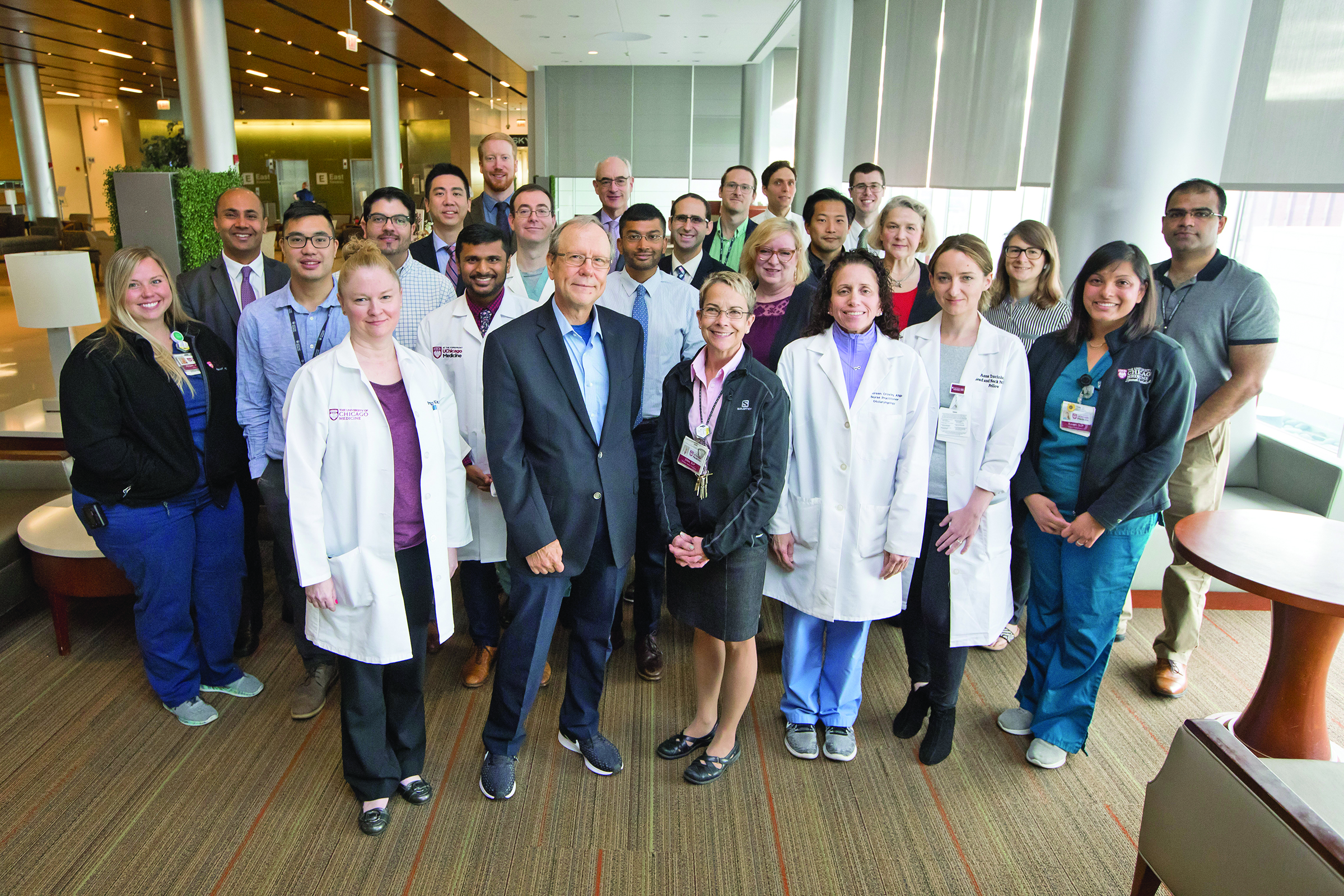
Multidisciplinary Tumor Board: A Single Institution’s Perspective
As 7:00 AM approaches, the ninth-floor conference room slowly fills as team members fi le in and find their seats. The senior radiation oncologist identifies his seat in the front row, carefully placing his stack of index cards on the table before him, each identifying a patient’s pertinent history and treatment plan. Soon the room is packed with nurse navigators, clinical research coordinators, residents, fellows, medical…
-

Dr. Harpreet Singh Discusses the Conduct of FDA Clinical Trials During the COVID-19 Pandemic
Harpreet Singh, MD, is director of Division of Oncology 2 at the U.S. Food and Drug Administration (FDA). In the following interview, she discusses the FDA’s response to the COVID-19 pandemic in how clinical trials are conducted, as well as the implications of these changes and what can be expected going forward. Q: How has…
-

COVID-19 and Thoracic Malignancies
Coronavirus disease-2019 (COVID-19) is a novel infectious disease, mainly affecting the respiratory tract, caused by the severe acute respiratory syndrome coronavirus 2 (SARS-CoV2). COVID-19 emerged in Wuhan, China, in December 2019 and rapidly escalated to become a global health crisis. Early reports on the prognosis of patients with cancer with COVID-19 were conflicting and limited.…
-
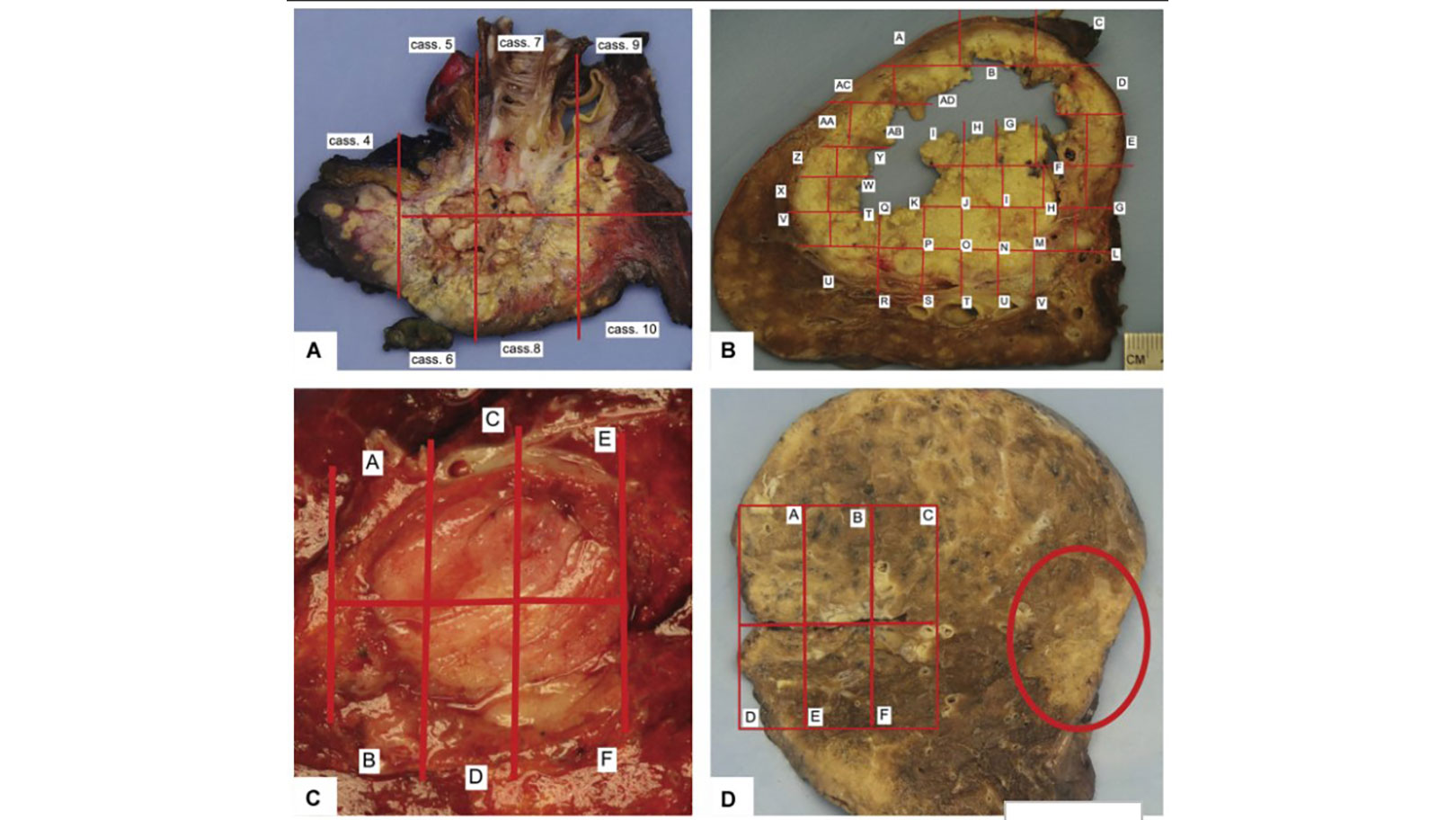
IASLC Multidisciplinary Recommendations for Pathologic Assessment of Lung Cancer Resection Specimens Following Neoadjuvant Therapies
Treatment guidelines recommend neoadjuvant or adjuvant therapies with surgery for patients with large primary tumors or clinical evidence of intrathoracic nodal spread.1,2 A recent joint IASLC–U.S. Food and Drug Administration workshop identified many advantages to the neoadjuvant approach.3 Pathologic response after neoadjuvant therapies in resection specimens can serve as a surrogate endpoint for PFS and…
-

The RAMES Study: A New Strategy of Targeting Angiogenesis in Mesothelioma
At this year’s American Society of Clinical Oncology Virtual Meeting, the final results of the RAMES study were presented.1 RAMES was a prospective, placebo-controlled, phase II, randomized study in which patients with malignant pleural mesothelioma (MPM) that progressed after platinum-based chemotherapy and pemetrexed were assigned to receive gemcitabine 1,000 mg/m2 on Days 1 and 8…
View ILCN Archives
Provider Resources
Popular Articles