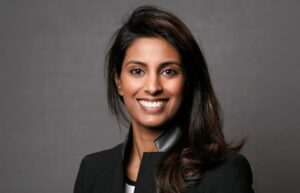






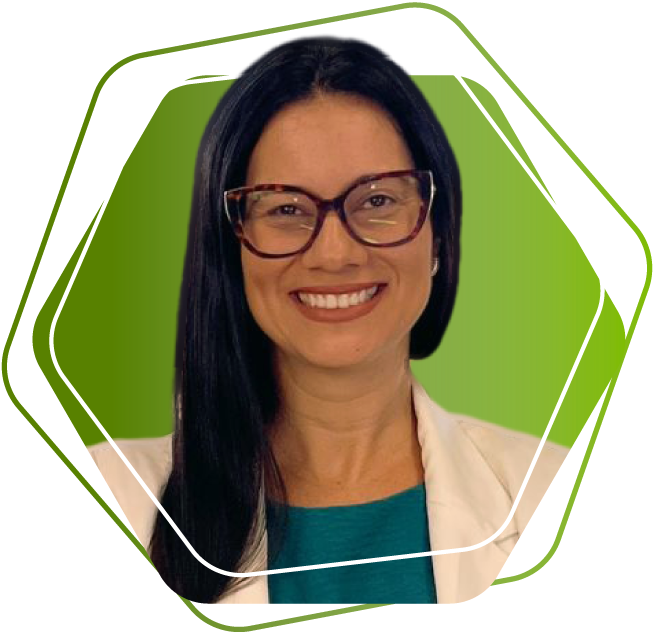
Presenter Profile: Gisele Fraga Moreira
Oncoclínicas Group, Rio de Janeiro
ILCN: What is your presentation about?
Dr. Moreira: My presentation will address the role of targeted therapies in lung cancer treatment, with an emphasis on the need for a multidisciplinary and personalized approach to managing the toxicities associated with these new treatments.
I will argue that personalization of care goes beyond selecting therapies according to the molecular profile: it means recognizing who the patient is, their unique needs, challenges, the way they understand healthcare instructions, and the presence of support networks.
I will also highlight the critical role of the multidisciplinary team, as proper toxicity management requires the shared expertise of various professionals to ensure a safer, more effective treatment journey for each patient.
ILCN: Why is this topic timely or important in 2025?
Dr. Moreira: The rapid development of new targeted therapies for lung cancer requires healthcare teams to be continually updated, as each medication may have distinct toxicity profiles.
Despite frequent discussions about personalized treatment, the concept of individualized toxicity management is less explored and more complex. It’s essential to consider the patient as a whole, accounting for their ability to understand instructions, as well as their family and social background.
With increasingly specific treatments emerging in 2025, it will be crucial to invest in strategies that look beyond the tumor, focus on the person behind the disease, and ensure efficacy, safety, and quality of life.
Adding Value to Lung Cancer Care: Multidisciplinary Toxicity Management for New Therapies
2:14 CEST, Monday, September 8 • Room 03
Learn from Gisele Fraga Moreira and other experts as they discuss how to add value to lung cancer care with new therapies. LEARN MORE
ILCN: Do you foresee any advancements, such as digital health tools, playing a role in predicting and preventing toxicities before they become problematic for patients on targeted therapies?
Dr. Moreira: I’m optimistic about the growing role of digital health tools in oncology. I believe that artificial intelligence and digital resources will support health professionals in the near future with the early identification of toxicities, whether through digital monitoring of patient-reported symptoms or through predictive analysis based on large datasets.
However, technology must work in conjunction with the human perspective and the sensitivity of a multidisciplinary team, as many essential aspects of care—such as attentive listening and empathetic communication—are irreplaceable.
ILCN: What are you most looking forward to during the 2025 World Conference on Lung Cancer?
Dr. Moreira: I’m very enthusiastic about exchanging experiences with colleagues from around the world and learning about new strategies for care and clinical innovation. I hope that the discussion around individualized management of toxicities will gain even more prominence, recognizing that therapeutic success is strongly linked to patient safety and experience.
I also want to share the lessons learned by our multidisciplinary team as we build better, more patient-centered pathways together.
ILCN: What do you hope the audience takes away from your presentation?
Dr. Moreira: I hope the audience will understand that we must care for people in all their complexity, beyond treating the disease with innovative medications. Personalizing care means going further than molecular profiling; It requires truly understanding who the patient is, their abilities, expectations, support networks, challenges, and limitations.
This level of care is only possible when the entire multidisciplinary team is engaged, regularly updated, and committed to developing individualized strategies for prevention, identification, and management of toxicities, while always respecting the uniqueness of each patient.