





-
Interim NADIM ADJUVANT Data Suggest Adjuvant Chemo-IO May Reduce Recurrence Risk in Patients Following Complete Resection
-
Final FLAURA2 OS Data Show Osimertinib Plus Chemo Offers Benefit Compared with Monotherapy
-
Potential Impact of GLP1-RAs on TKI-induced Weight Gain in Patients with NSCLC
-
No “Known” Risk Factors: The Health Consequences of Radiation Therapy
-
Discussion Covered Updates, Strategies, and Controversies in Lung Cancer Staging
-
No PFS, OS Benefit Seen in Final Results from PACIFIC-2
-
WCLC Attendees Hear Preview of Proposed Changes for the 9th Edition of the TNM Staging Classification for Thoracic Cancers
-
Treatment of Immunotherapy-Related Dermatologic Toxicities: An Interview with Dr. Mario Lacouture
-
A Holistic Approach to Patient Care
Sign up for news updates
Systemic, Targeted, & Immune Therapies
-

ADJUVANT Trial of Gefitinib Versus Chemotherapy in Resected EGFR-Mutations Non-Small Cell Lung Cancer
By Heather Wakelee, MD Posted: October 2017 For most of the world, four cycles of cisplatin-based adjuvant chemotherapy is the standard of care for patients with resected stage II and IIIA non-small cell lung cancer (NSCLC), and is offered to many patients with stage IB tumors at least 4 cm in size or larger. This…
-
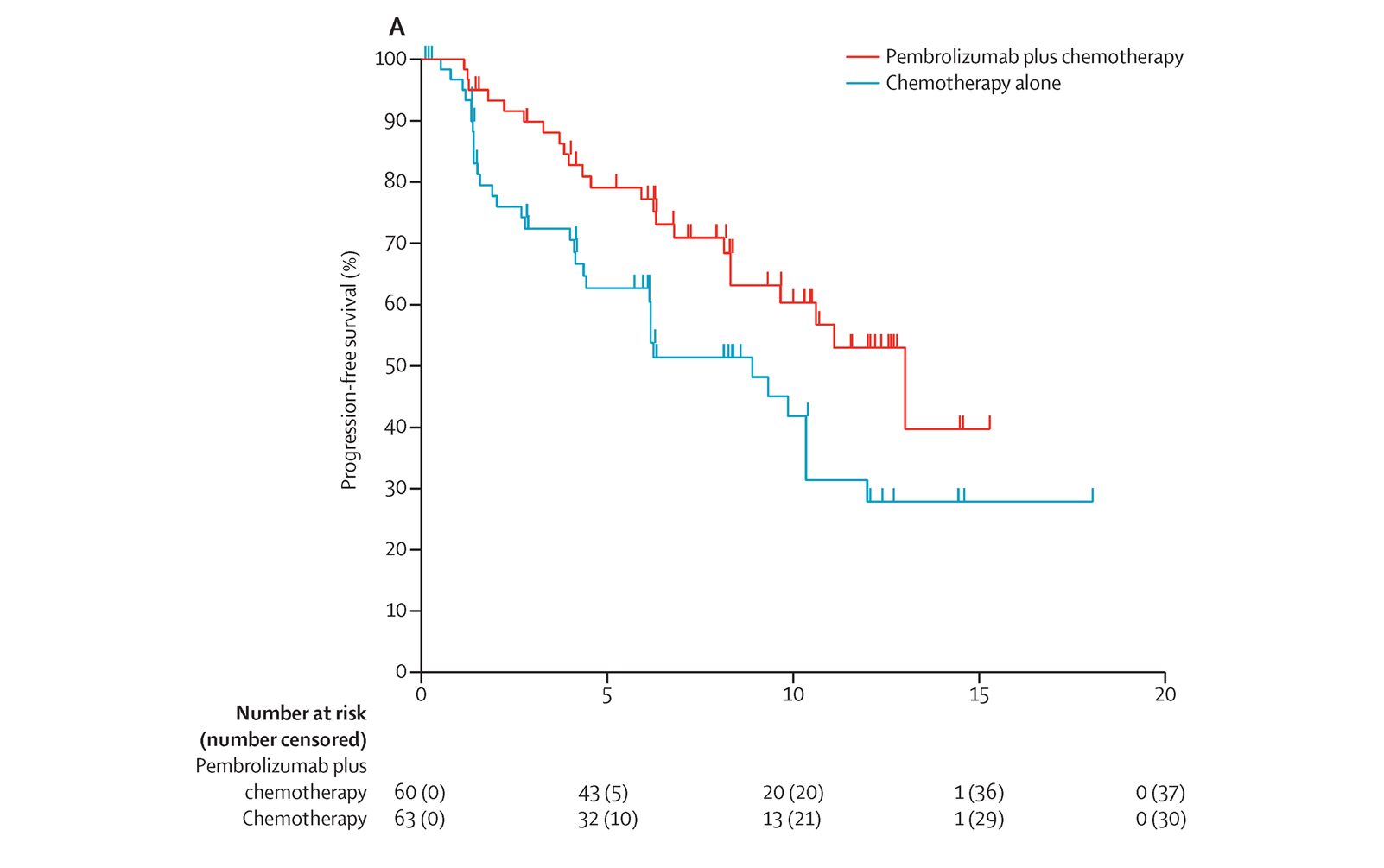
Exploring the Potential of Immuno-oncology Combination Therapy
By Cynthia L. Kryder, MS, CCC-Sp Posted: October 2017 Editor Note: The article is part of a newly launched ongoing series about immunooncology (IO) combination therapy, future articles of which will address PD-L1 and CTLA-4 combinations as well as IO in a curative setting, the Blueprint project, managing toxicities, as well as other related topics.…
-
Clinical Labeling in Medicinal Products: An Interview With Dr. David Planchard About the Effects of BRAF Mutations on Non-small Cell Lung Cancer Outcomes and Therapeutic Selection
Posted: June 2017 By David Planchard, MD, PhD What was the rationale for conducting clinical research in BRAF mutationpositive NSCLC? Recently, progress has been made in characterization of the oncogenic driver mutations that contribute to the molecular pathogenesis of lung cancers, including activating mutations in EGFR and ALK rearrangements. Moreover, lung cancer has one of…
-
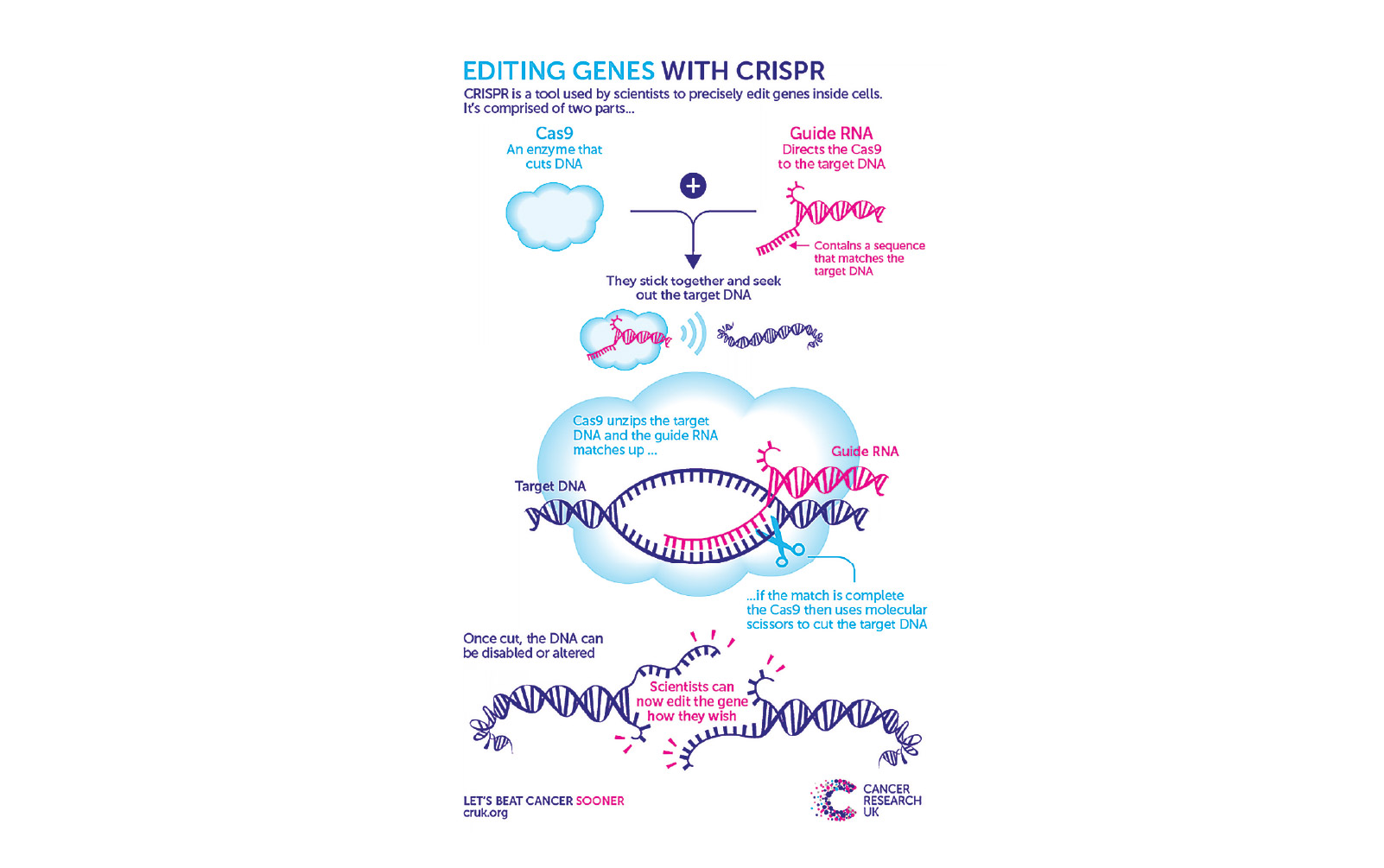
The CRISPR-Cas9 Toolkit: Moving From Bench to Bedside
Posted: June 2017 By Cynthia L. Kryder, MS Decades of immunology research have shown that it is possible to harness the power of the immune system to fight cancer. In particular, recent discoveries regarding the regulation of T-cell responses have contributed to the development of genomically targeted agents and immune checkpoint therapies that have improved…
-
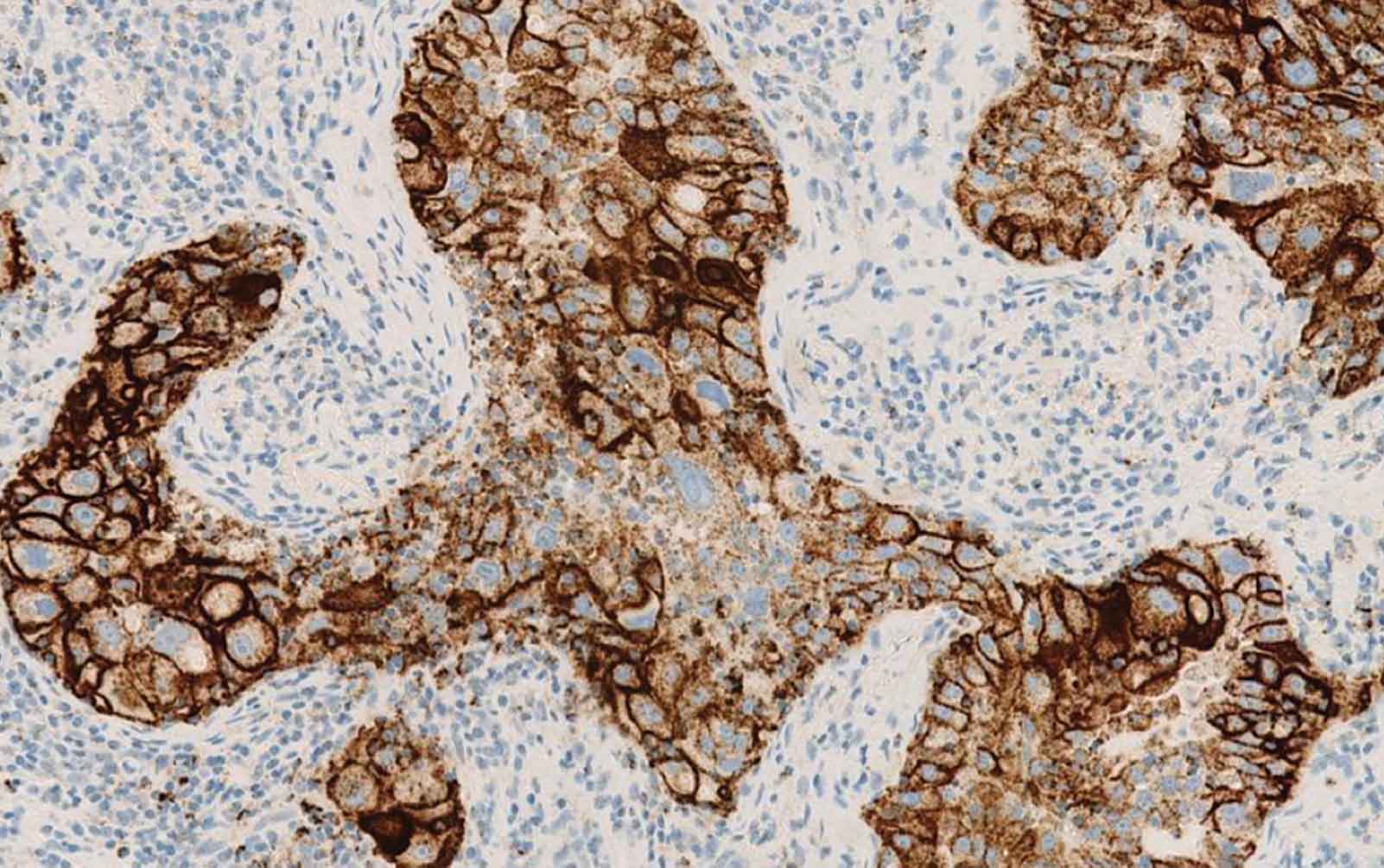
PD-L1 Blueprint Project
Posted: February 2017 By Fred R. Hirsch, MD, PhD In the new era of immunotherapy in thoracic cancer, evaluating PD-L1 status remains a clinical challenge. In recognition of the potential confusion generated by having multiple predictive assays related to the same “family” of drugs, a workshop led by the U.S. Food and Drug Administration (FDA),…
-

Immune Checkpoint Inhibitors in Advanced Non-Small Cell Lung Cancer: A New Paradigm Post-IASLC WCLC 2016
Posted: February 2017 By Melody Watson The first plenary session on the last day of IASLC WCLC 2016 covered one of the most exciting areas in NSCLC research today: immunotherapy. The first speaker, Julie R. Brahmer, MD, from the Sidney Kimmel Comprehensive Cancer Center at John Hopkins, Baltimore, US, presented key patient-related outcomes from KEYNOTE-024,…
-
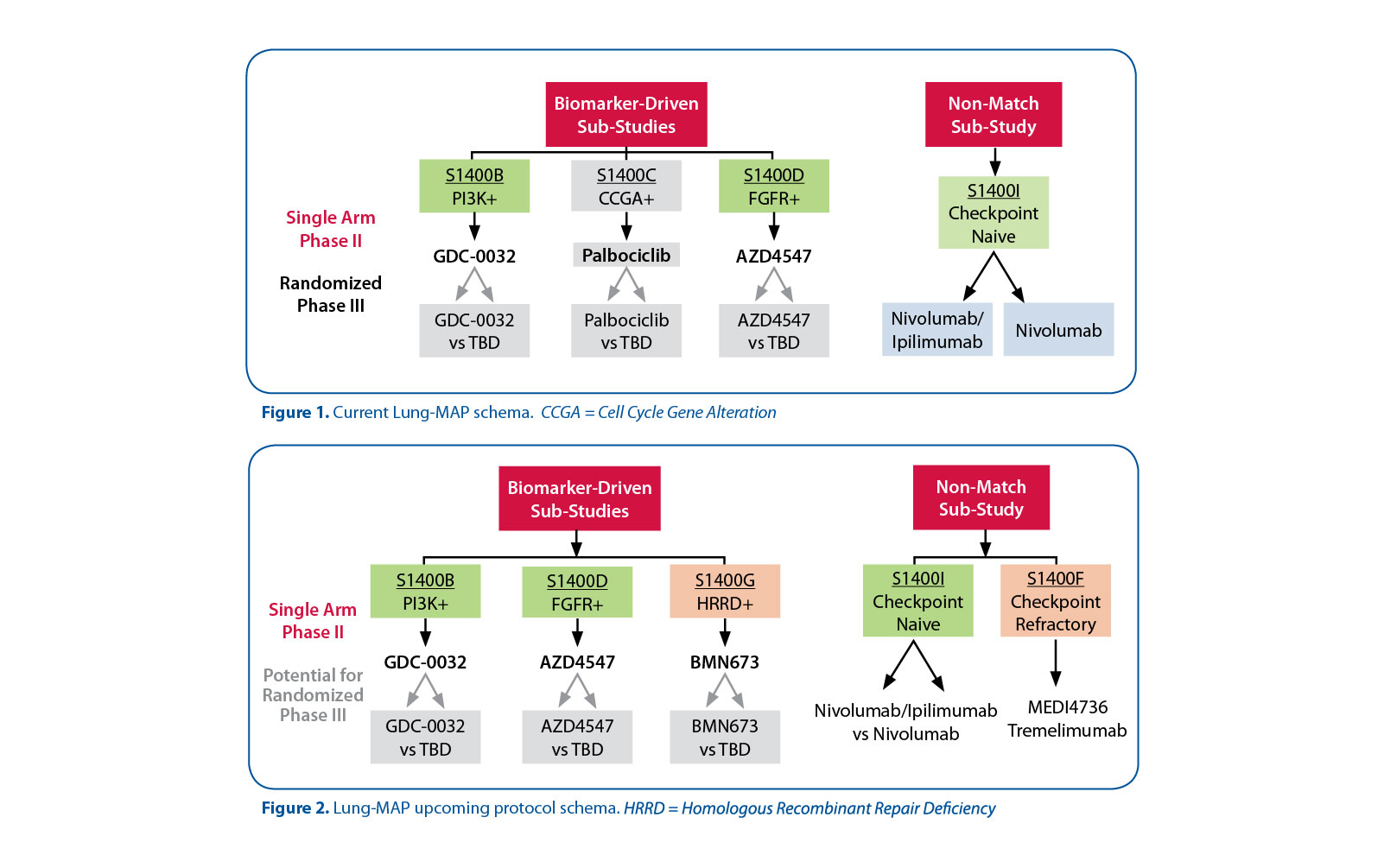
The Lung Master Protocol (Lung-MAP)
By Vassiliki A. Papadimitrakopoulou, MD Lung-MAP (S1400), is a unique master multi-study protocol that incorporates genomic testing of tumors through a next-generation sequencing (NGS) platform (Foundation Medicine) and biomarker-driven therapies for patients with squamous cell lung cancer (SCC) after progression on first-line therapy. This effort represents a unique private-public partnership supported by the National Cancer…
-

Changing Landscape of Front-line Immunotherapy
By Naiyer A. Rizvi The rapid development of anti-PD-1 and PD-L1 antibodies in cancer underscores the tremendous impact they have had on the cancer landscape and for our patients. The first publication in 2010 forever changed our notion of “immunogenic” and “non-immunogenic” tumors.1 In this landmark paper, nivolumab, an immunotherapy agent, demonstrated activity not just…
-

Benefit of EGFR Mutation Analysis from Plasma Cell-Free DNA for Treatment of Advanced Non-Small Cell Lung Cancer
By Tony S. K. Mok, BMSc, MD, FRCPC Patients must first be identified as having an epidermal growth factor receptor (EGFR) mutation before they can benefit from EGFR tyrosine kinase inhibitors (TKI). Furthermore, to benefit from third-generation EGFR TKI such as osimertinib, it is essential to identify the presence of resistance exon 20 T790M mutations…
-

Osimertinib: A New Option in Non-Small Cell Lung Cancer – Q&A with David R. Gandara, MD, and Federico Cappuzzo, MD, PhD
By Erik J. MacLaren, PhD Osimertinib, a third-generation epidermal growth factor receptor (EGFR) tyrosine kinase inhibitor (TKI), received FDA approval in November 2015 for use in patients with metastatic EGFR T790M non-small cell lung cancer (NSCLC) whose disease has progressed on other EGFR TKIs. Data presented in April 2016 at the European Lung Cancer Conference…
View ILCN Archives
Provider Resources
Popular Articles