Before you head to this evening’s events, including the Journal of Thoracic Oncology’s (JTO’s) 20th Anniversary Reception and the IASLC Celebration Night, cap off a day of education with an interactive session that will explore the latest advances in liquid biopsy and circulating biomarkers, clonal hematopoiesis, interstitial lung disease (ILD), and patients with young-onset lung cancer.
The session, titled Signals, Risk, and Response: Case-Based Tumor Biology in Lung Cancer, will take place on Monday, September 14, at 17:00 KST in Room 203, ASEM Ballroom, 2F.
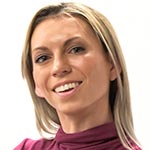
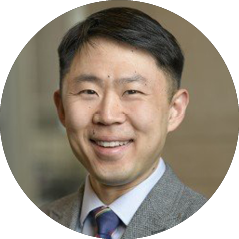
Session Chair Soo-Ryum Yang, MD, Assistant Attending Pathologist at Memorial Sloan Kettering Cancer Center, who specializes in Thoracic Pathology and Molecular Genetic Pathology, recently shared a preview of what attendees can expect during the session in an interview with ILCN.
Signals, Risk, and Response: Case-Based Tumor Biology in Lung Cancer
Monday, September 14, at 17:00 KST • Room 203, ASEM Ballroom, 2F
This highly interactive session will cover a range of topics, including young-onset lung cancer, ILD, clonal hematopoiesis, the latest advances in liquid biopsy, and circulating biomarkers. Learn More
ILCN: This session covers a range of topics, including clonal hematopoiesis versus genomically actionable findings in liquid biopsy, lung cancer in young patients, ILD across various treatment types, and circulating biomarkers that explain unprecedented or exceptional responses to therapy. Why are these topics particularly timely and important for the field right now?
Dr. Yang: These topics are particularly timely, addressing fundamental scientific and clinical questions that many are actively pursuing both in the lab and the clinic. Each topic has important clinical relevance for our diverse patient populations across different stages of lung cancer.
ILCN: Despite the different clinical cases, are there any overarching themes or key takeaways that connect these presentations?
Dr. Yang: Yes, despite the variety of topics being discussed, the main overarching theme is how we can better understand the biological concepts in lung cancer and use these insights to advance care for our patients. Our goal is to really build a translational feedback loop from the clinic to the lab and back.
ILCN: How do the topics covered in this session help clinicians and scientists translate biological observations into therapeutic strategies?
Dr. Yang: These topics will identify biologically defined patient populations, areas of unmet clinical need, and predictive biomarkers that will serve as the foundation for designing the next generation of therapeutic strategies.
ILCN: As the session chair, what makes this a “must-attend” session for attendees?
Dr. Yang: You will see a rare integration of bench-to-bedside science, case-based learning, and audience interaction across a set of topics not covered together elsewhere.
ILCN: Is there anything you are most looking forward to in this session or at WCLC 2026 in general?
Dr. Yang: Yes, I’m especially excited about the audience engagement, lively discussions with the speakers, and the chance to spark new ideas, connections, and partnerships.
Please refer to the 2026 WCLC Scientific Program for the most up-to-date schedule information.