Attendees of the 2026 World Conference on Lung Cancer (WCLC) may notice that this year’s program lineup features a broader selection of joint sessions between the IASLC and its partner societies worldwide. Among these is the Joint IASLC-Japan Lung Cancer Society (JLCS) Forum: Synergy in Action – A Global Dialogue on Multidisciplinary Thoracic Oncology.
The session will highlight the collaboration between the IASLC and JLCS, which spans more than 50 years. The decades-long partnership bridges extensive regional clinical expertise to further efforts to eradicate thoracic malignancies.
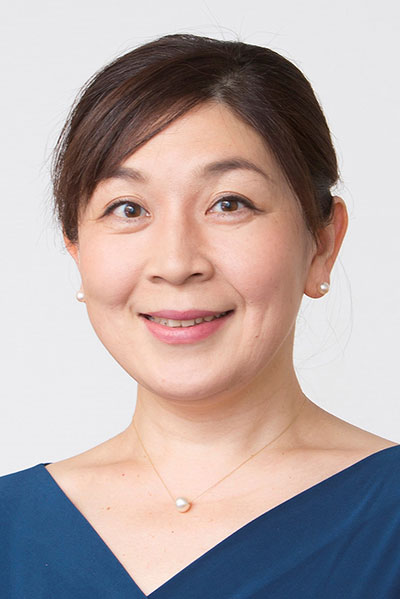
“JLCS brings a rich history of scientific rigor, pioneering clinical research, surgical precision, and meticulous patient management from East Asia, while the IASLC provides an international umbrella for cross-border knowledge translation,” said Motoko Tachihara, MD, PhD. “Collaborations like this allow us to move beyond regional frameworks, harmonize clinical insights, and combine our multidisciplinary strengths to elevate the standard of care for patients with lung cancer worldwide.”
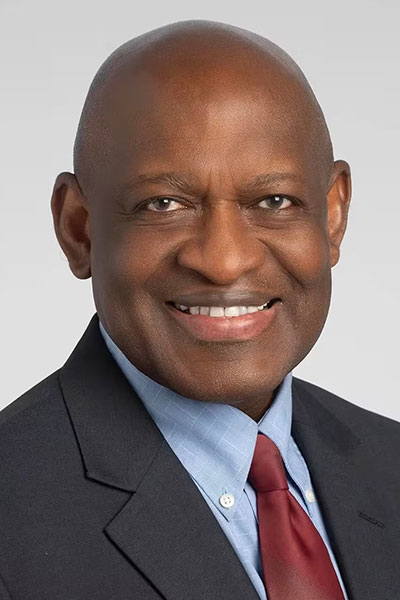
Dr. Tachihara, an Associate Professor in the Division of Respiratory Medicine, Kobe University Graduate School of Medicine, Japan, will deliver one of the keynote lectures, presenting the JLCS perspective. Journal of Thoracic Oncology Editor-in-Chief Alex Adjei, MD, PhD, FACP, FASCO, will deliver the IASLC perspective during his keynote lecture.
The session will also highlight top-scoring poster abstracts across four core multidisciplinary fields: radiation, surgery, pathology, and medical oncology. Each abstract presentation will be accompanied by a dedicated commentary from an esteemed global discussant.

Joint IASLC-JLCS Forum: Synergy in Action – A Global Dialogue on Multidisciplinary Thoracic Oncology
Saturday, September 12, 2026, at 10:30 KST • Room 300, Conference Room South, 3F
Joint session to highlight the decades-long partnership between the IASLC and JLCS, while emphasizing collaboration and international dialogue. LEARN MORE
“I am particularly excited about this dynamic format, as it brings diverse, high-impact research to the forefront and sparks robust, cross-disciplinary dialogue on how to translate these findings into real-world practice,” Dr. Tachihara said.
Speaking from the JLCS perspective, Dr. Tachihara will highlight how the organization evaluates how data and clinical evidence generated in Japan are positioned within a global context and what broader significance they hold. She said experiencing this high-level international dialogue firsthand will serve as a powerful motivator for the next generation, which will shape the future of thoracic oncology.
“By evaluating Japan’s high-quality clinical data and meticulous patient management strategies alongside international discussants, we can extract insights that truly resonate on a global scale,” Dr. Tachihara said. “Above all, we hope that attending clinicians—especially early-career physicians—will walk away with a broader global vision and renewed inspiration for their future clinical practice and research.”
As the field strives to conquer lung cancer through a mutual understanding of diverse healthcare environments, one of the primary challenges is accommodating regional differences in clinical practice, healthcare infrastructure, and population-specific biological factors.
Within this complex landscape, delivering high-quality education to clinicians at all stages of their careers—while actively creating pathways for international research collaboration—remains a top priority for organizations such as the JLCS and IASLC.
By offering a dynamic, bi-directional platform for dialogue, joint forums like this can help directly bridge geographic and disciplinary gaps.
“Ultimately, this enables us to contextualize cutting-edge science globally while serving as a catalyst for young investigators and multidisciplinary team members to establish meaningful, cross-border research collaborations,” Dr. Tachihara said.
Please refer to the 2026 WCLC Scientific Program for the most up-to-date schedule information.