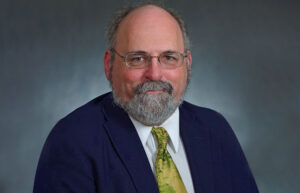
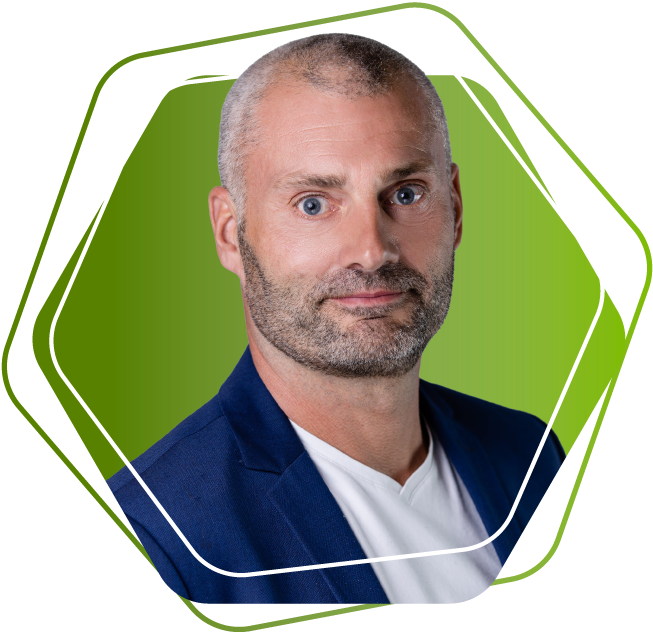
Presenter Profile: Morten Quist, PhD
Copenhagen University and the EXHALE program
ILCN: What is your presentation about?
Dr. Quist: A practical, evidence-informed roadmap for integrating physiotherapy and structured exercise across the lung-cancer pathway—prehabilitation, during systemic/radiation therapy, peri-/post-operative recovery, and survivorship. I’ll cover safety, dosing, and simple outcome tracking (e.g., sit-to-stand, 6-minute walk test, dyspnea, fatigue), and show how to combine supervised, home-based, and community models.
ILCN: Why is this topic timely or important in 2025?
Dr. Quist: More patients live longer with complex treatments; however, deconditioning, fatigue, and sarcopenia remain under-addressed. Also, evidence and guidelines increasingly support exercise as part of standard cancer care, yet routine referral is inconsistent. Prehabilitation and perioperative optimization are expanding in thoracic surgery; we need scalable, equitable models that work in busy clinics.
ILCN: What message do you hope clinicians will take away from integrating physiotherapy into routine lung cancer care?
Dr. Quist: It’s safe and feasible for most patients, including those on chemo-/immunotherapy or with bone metastases, with sensible precautions. Build referral triggers into the electronic medical record and multidisciplinary team routines so every eligible patient is offered a pathway, not just the motivated few.
Uniting Forces: Multidisciplinary Approaches to Holistic Lung Cancer Care
11:30 CEST, Tuesday, September 9 • Room 03
Hear from Morten Quist, PhD, and other experts as they discuss rehabilitation and empowerment strategies to enhance the quality of life for patients with lung cancer. LEARN MORE
ILCN: What are you looking forward to the most during the 2025 World Conference on Lung Cancer?
Dr. Quist: Connecting across disciplines and for the first meeting of the International Research and Exercise group in Lung cancer (IREX Lung).
ILCN: What do you hope the audience takes away from your presentation?
Dr. Quist: Exercise and physiotherapy are treatments—not extras. Make them the default:
- Screen
- Refer
- Dose
- Follow-up
Start simple (Two to three sessions per week, large muscle groups, and short aerobic intervals), progress by symptoms and function, and track two or three outcomes every visit.