The 2026 World Conference on Lung Cancer (WCLC) is poised to once again unite experts, researchers, and advocates from around the world to highlight the most significant breakthroughs and advances in lung cancer and thoracic malignancies. The program for this year’s meeting in Seoul, Republic of Korea, features world-renowned speakers across all the disciplines and subspecialties involved in thoracic oncology care.
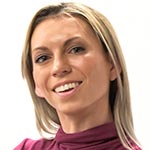
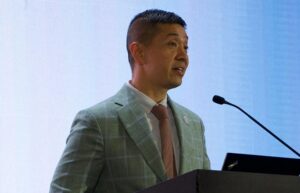
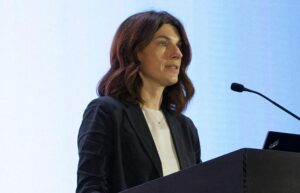
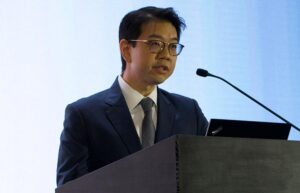
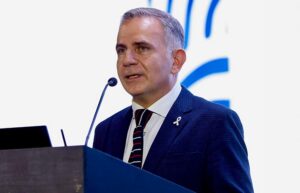
Conference Co-Chairs Myung-Ju Ahn, MD, PhD, Sungkyunkwan University School of Medicine, Seoul, Republic of Korea; Wentao Fang, MD, Jiaotong University School of Medicine, Shanghai, China; Jiraporn Setakornnukul, MD, PhD, Siriraj Hospital, Mahidol University, Bangkok, Thailand; and Yasushi Yatabe, MD, PhD, National Cancer Center of Japan, Tokyo, Japan, were tasked with collaborating with the WCLC planning committee to develop the program. The co-chairs recently spoke with ILCN to preview the many events, sessions, and more that attendees can look forward to in Seoul.
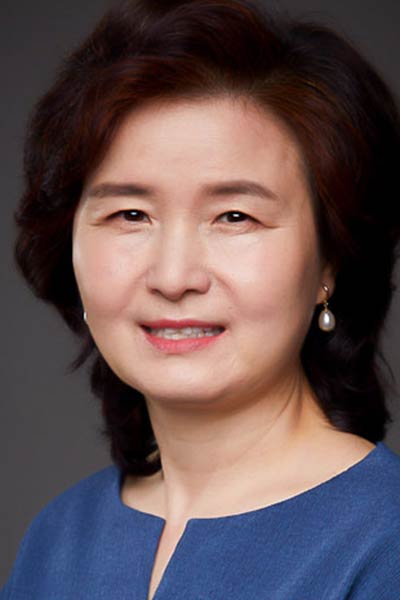
ILCN: How will the WCLC 2026 program highlight the most pressing issues and advances in lung cancer?
Dr. Ahn: We believe that WCLC 2026 has one overarching goal: To translate the most important scientific advances into better care for patients around the world.
This year’s program has been carefully designed to cover the full spectrum of lung cancer—from prevention, screening, early detection, surgery, radiation oncology, pathology, molecular diagnostics, and translational science to the latest systemic therapies and survivorship.
One of our major priorities is to showcase practice-changing clinical research. Attendees will hear the latest results from pivotal clinical trials expected to impact future standards of care. At the same time, we will focus on emerging areas such as minimal residual disease (MRD), artificial intelligence (AI), antibody-drug conjugates (ADCs), T-cell engagers, resistance mechanisms, precision oncology, and perioperative treatment strategies.
Importantly, we also recognize that scientific breakthroughs alone are not enough. The program addresses practical questions that clinicians face every day, including biomarker implementation, treatment sequencing, toxicity management, and equitable access to innovative therapies. Ultimately, our goal is to provide knowledge that participants can immediately apply in clinical practice.
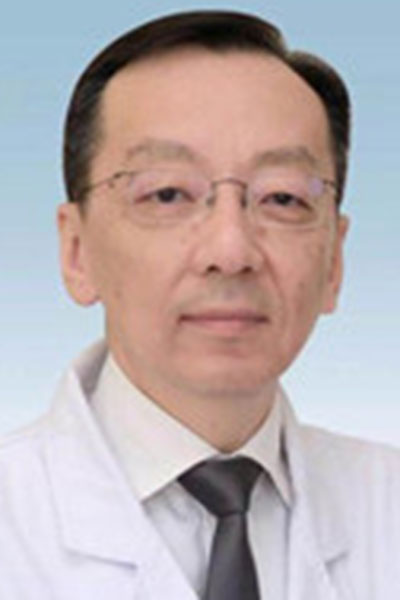
ILCN: Will there be any new sessions, events, or features debuting at WCLC 2026?
Dr. Fang: Yes. One of the exciting aspects of WCLC 2026 is the introduction of several new interactive educational formats designed to make learning much more engaging.
Rather than relying solely on traditional lectures, we are expanding debate sessions, multidisciplinary case discussions, interactive workshops, and audience-driven sessions where participants can actively contribute to clinical decision-making. These formats reflect how lung cancer care is actually practiced today—through multidisciplinary collaboration and evidence-based discussion.
We are also introducing more hands-on educational opportunities, particularly in areas such as molecular diagnostics, AI applications, patient-reported outcomes, and multidisciplinary management.
Another important feature is our strong emphasis on global perspectives. We have intentionally included experts from different regions to discuss how evidence can be implemented across diverse healthcare systems, recognizing that clinical practice varies significantly around the world.
ILCN: How will hosting WCLC 2026 in Seoul help further promote international collaboration among attendees?
Dr. Ahn: Seoul is an ideal location for bringing together the global lung cancer community. Asia has become a major driving force in lung cancer research, particularly in molecular oncology, targeted therapies, early detection, and clinical trials. At the same time, many of the most important international studies today involve collaboration across multiple continents.
Hosting WCLC in Seoul provides an excellent opportunity to strengthen these global partnerships. We expect participation from clinicians, scientists, nurses, allied health professionals, patient advocates, and industry partners from every region of the world.
Beyond presenting data, WCLC creates opportunities to establish new research collaborations, develop multinational clinical trials, exchange ideas, and build long-term professional networks. These interactions often lead to scientific advances that continue long after the meeting has ended.
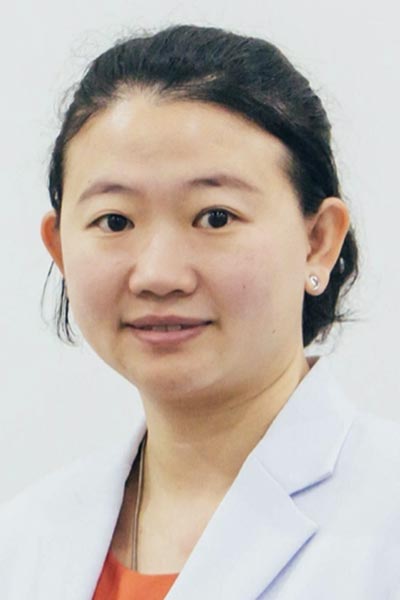
ILCN: Are there any can’t-miss events that attendees should be sure to attend?
Dr. Setakornnukul: There are many highlights throughout the meeting. Of course, the Presidential Symposium and other plenary sessions are always among the most anticipated events because they feature practice-changing clinical trial results that may immediately influence patient care.
I would also encourage attendees to participate in the multidisciplinary sessions, where experts from different specialties discuss complex clinical cases from multiple perspectives. These sessions often provide practical insights that cannot be obtained from clinical trial presentations alone.
Another highlight will be our interactive educational sessions, where the audience becomes an active participant rather than simply listening to lectures. We hope these sessions will stimulate discussion, challenge conventional thinking, and make learning more enjoyable.
Finally, I encourage everyone to take advantage of the networking opportunities throughout the meeting. Some of the most valuable conversations happen outside the lecture halls—during poster sessions, workshops, and informal discussions with colleagues from around the world.
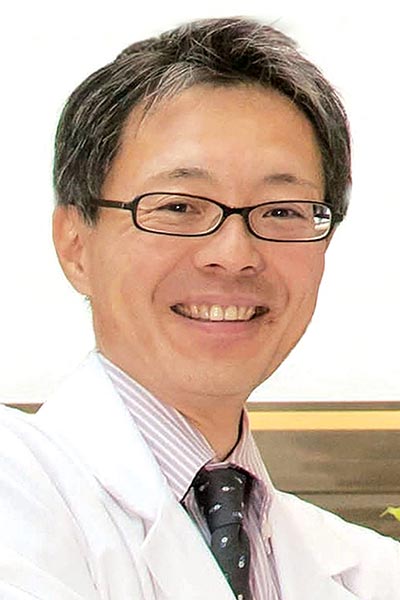
ILCN: What are you most looking forward to at this year’s meeting in Seoul?
Dr. Yatabe: I think what excites my fellow co-chairs and me the most is seeing the global lung cancer community come together with a shared commitment to improving patient outcomes.
Lung cancer research is advancing at an unprecedented pace. We are witnessing remarkable progress in precision medicine, immunotherapy, ADCs, early detection, and perioperative treatment. Bringing together experts who are shaping these advances is incredibly inspiring.
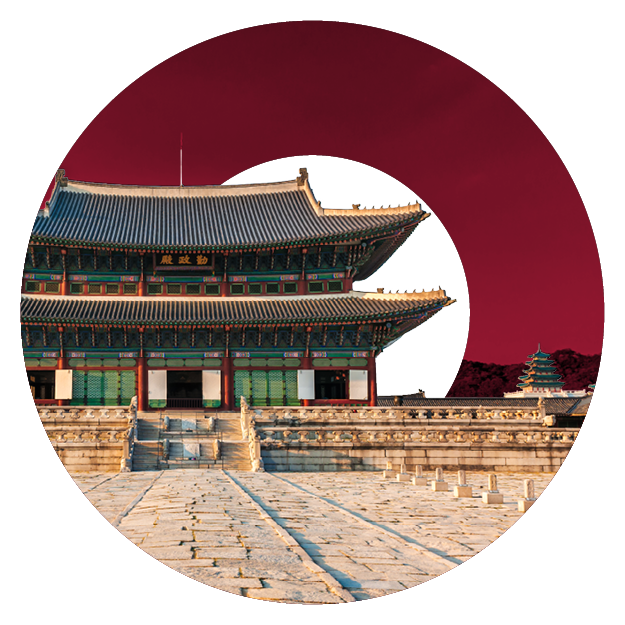
On a personal level, we are particularly looking forward to welcoming colleagues from around the world to Seoul. Korea has made tremendous contributions to lung cancer research during the past two decades, and it is a great honor to host WCLC here.
We hope our international colleagues will not only experience outstanding science but also enjoy Korean culture, hospitality, and the opportunity to build new friendships and collaborations.
Ultimately, our hope is that every attendee leaves Seoul with new knowledge, new ideas, new collaborators, and renewed motivation to improve the lives of patients with lung cancer.
The conference co-chairs agreed that the greatest value of WCLC has never been simply presenting new data. It brings together people from around the world who share a common mission—to improve the lives of patients with lung cancer. WCLC 2026 in Seoul will be an inspiring platform where science, collaboration, and innovation come together to shape the future of lung cancer care, they said.