





-
Interim NADIM ADJUVANT Data Suggest Adjuvant Chemo-IO May Reduce Recurrence Risk in Patients Following Complete Resection
-
Final FLAURA2 OS Data Show Osimertinib Plus Chemo Offers Benefit Compared with Monotherapy
-
Potential Impact of GLP1-RAs on TKI-induced Weight Gain in Patients with NSCLC
-
No “Known” Risk Factors: The Health Consequences of Radiation Therapy
-
Discussion Covered Updates, Strategies, and Controversies in Lung Cancer Staging
-
No PFS, OS Benefit Seen in Final Results from PACIFIC-2
-
WCLC Attendees Hear Preview of Proposed Changes for the 9th Edition of the TNM Staging Classification for Thoracic Cancers
-
Treatment of Immunotherapy-Related Dermatologic Toxicities: An Interview with Dr. Mario Lacouture
-
A Holistic Approach to Patient Care
Sign up for news updates
Diagnostic Oncology
-

Enhancing Understanding of Testing Applications, Best Practices: A Q&A with Dr. Lynette M. Sholl
Lynette M. Sholl, MD, Chief of Thoracic Pathology and Associate Director of the Center for Advanced Molecular Diagnostics at Brigham and Women’s Hospital and Associate Professor at Harvard Medical School, discusses her thoughts on the “new gold standard” of a combination approach—tissue and blood-based—to testing in lung cancer. Dr. Sholl answers several questions regarding the…
-

IASLC GENERAL DISCLAIMER
All information and materials presented on or through IASLC’s websites, or made available or provided by or on behalf of IASLC during any webinar, seminar, or other event or activity, is made available solely for general information purposes. IASLC does not warrant the accuracy, completeness, or usefulness of this information. Without limiting the foregoing, such…
-

Multidisciplinary EURACAN/IASLC Proposal for Revision of the Histologic Classification of Malignant Pleural Mesothelioma
Sponsored by EURACAN and the IASLC, a multidisciplinary group comprised of pathologists, oncologists, surgeons, radiologists, and molecular biologists met July 5 and 6, 2018, to critically review the current histologic classification of malignant pleural mesothelioma (MPM) in light of recent molecular, immunologic, and therapeutic advances. The summary of discussions, with recommendations for histologic classification and…
-
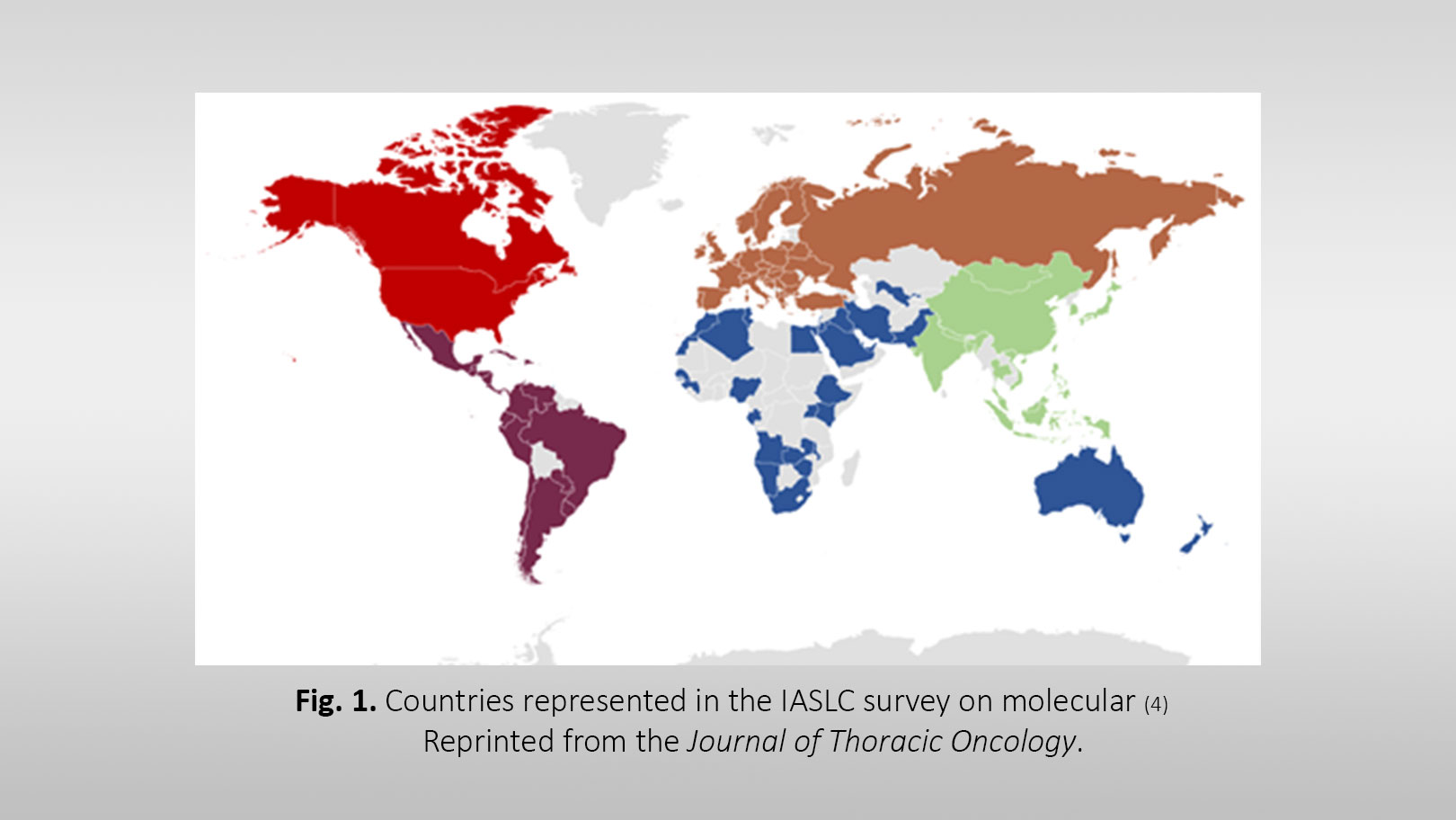
Improving Molecular Testing in Lung Cancer: What We Learned From the IASLC Global Survey
The past 10 years have seen a dramatic increase in novel therapeutic options for patients with lung cancer, with many treatments now personalized to the specific tumor characteristics of each patient’s disease.1,2 The majority of these novel therapies are either immunotherapies or molecularly targeted agents. Identification of the best therapeutic option for every patient before…
-
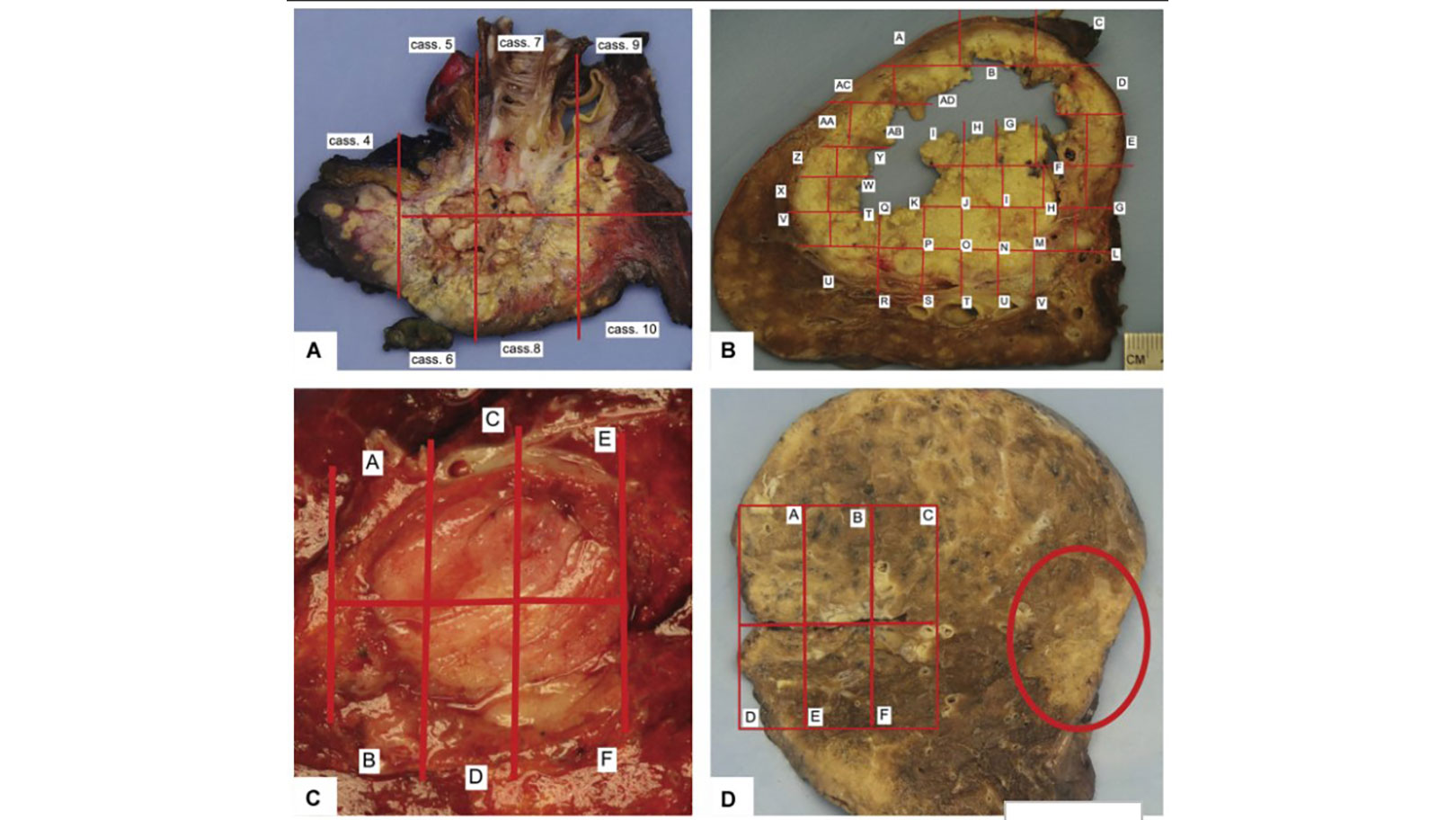
IASLC Multidisciplinary Recommendations for Pathologic Assessment of Lung Cancer Resection Specimens Following Neoadjuvant Therapies
Treatment guidelines recommend neoadjuvant or adjuvant therapies with surgery for patients with large primary tumors or clinical evidence of intrathoracic nodal spread.1,2 A recent joint IASLC–U.S. Food and Drug Administration workshop identified many advantages to the neoadjuvant approach.3 Pathologic response after neoadjuvant therapies in resection specimens can serve as a surrogate endpoint for PFS and…
-
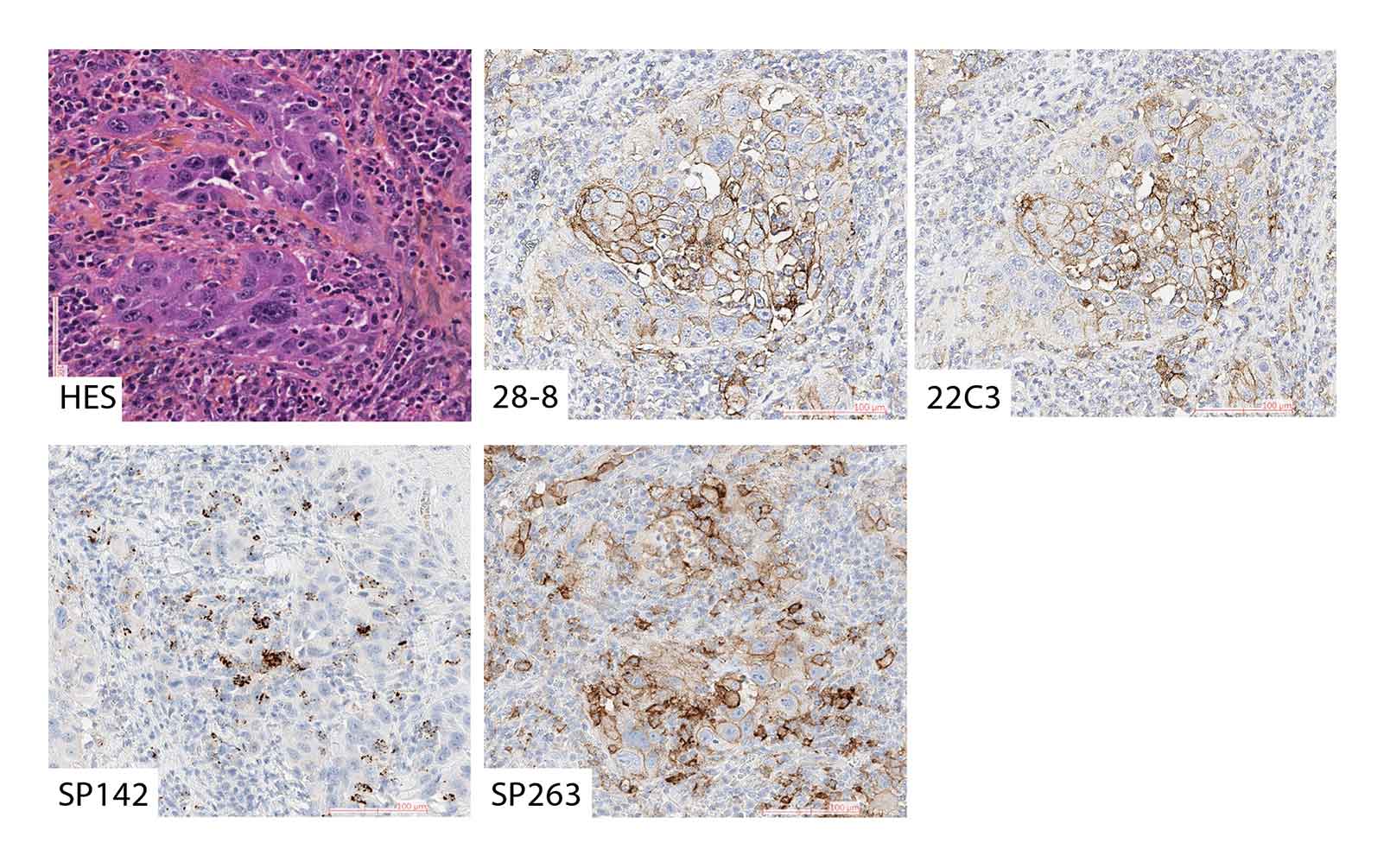
PD-L1 Testing for Lung Cancer in 2019: Perspective From the IASLC Pathology Committee
By Sylvie Lantuejoul, MD, PhD, and Mari Mino-Kenudson, MD Posted: April 16, 2020 Immune checkpoint inhibitors (ICI), which target the PD-1/PD-L1 axis with the aim of restoring anti-tumor immunity, are now available in routine clinical practice for the treatment of patients with advanced or metastatic NSCLC and SCLC. Several biomarkers have been reported to predict…
-
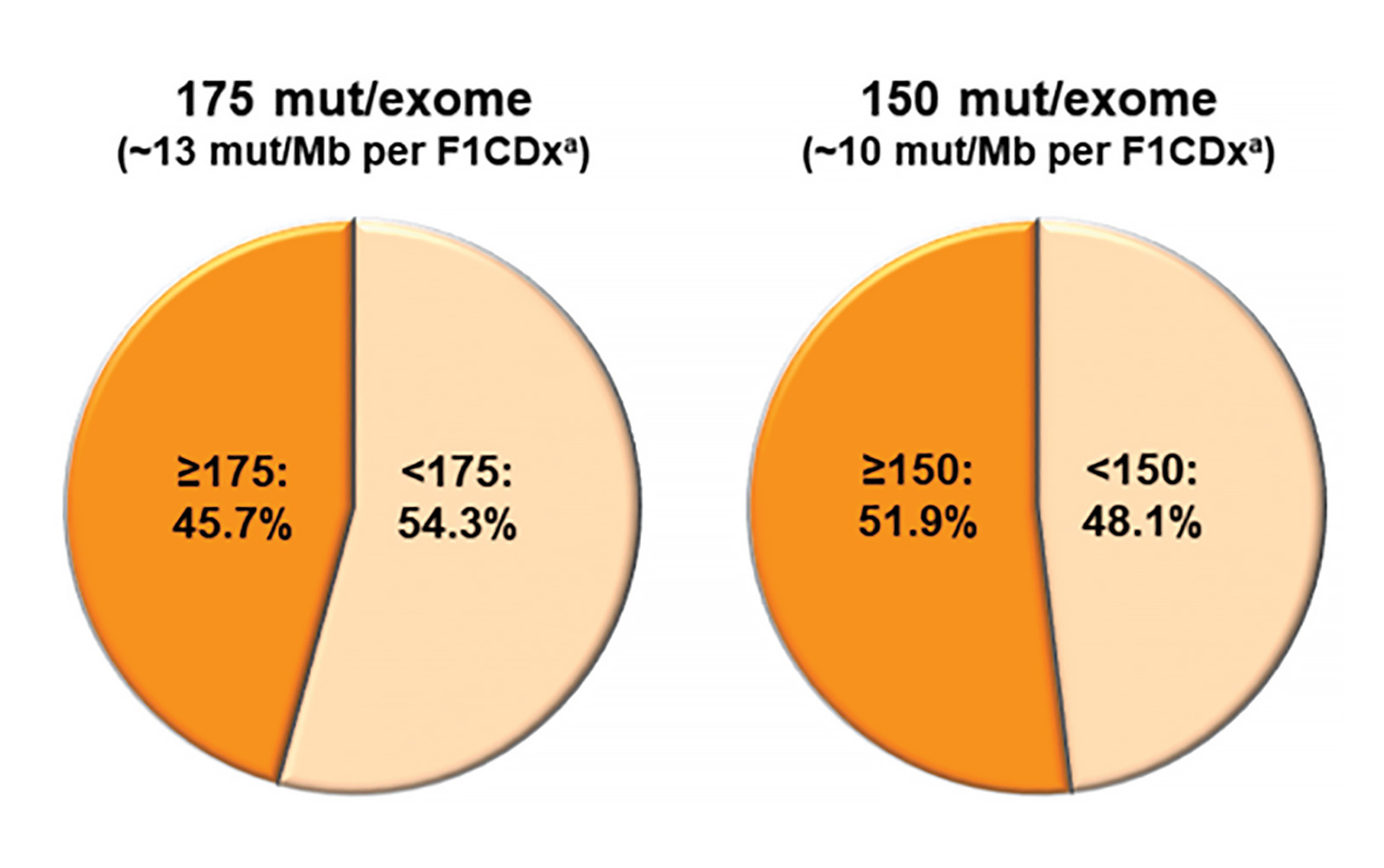
Tumor Mutation Burden: Evolution of a Controversial Biomarker From the Pathologist’s Perspective
By Lynette M. Sholl, MD, and John W. Longshore, PhD, FACMG Posted: February 12, 2020 Dr. Lynette M. Sholl Dr. John W. Longshore The profound impact of immunotherapy in patients with lung cancer has been described extensively by many experts within the IASLC.1,2 There are, however, broad disparities in outcomes for patients with lung cancer…
-
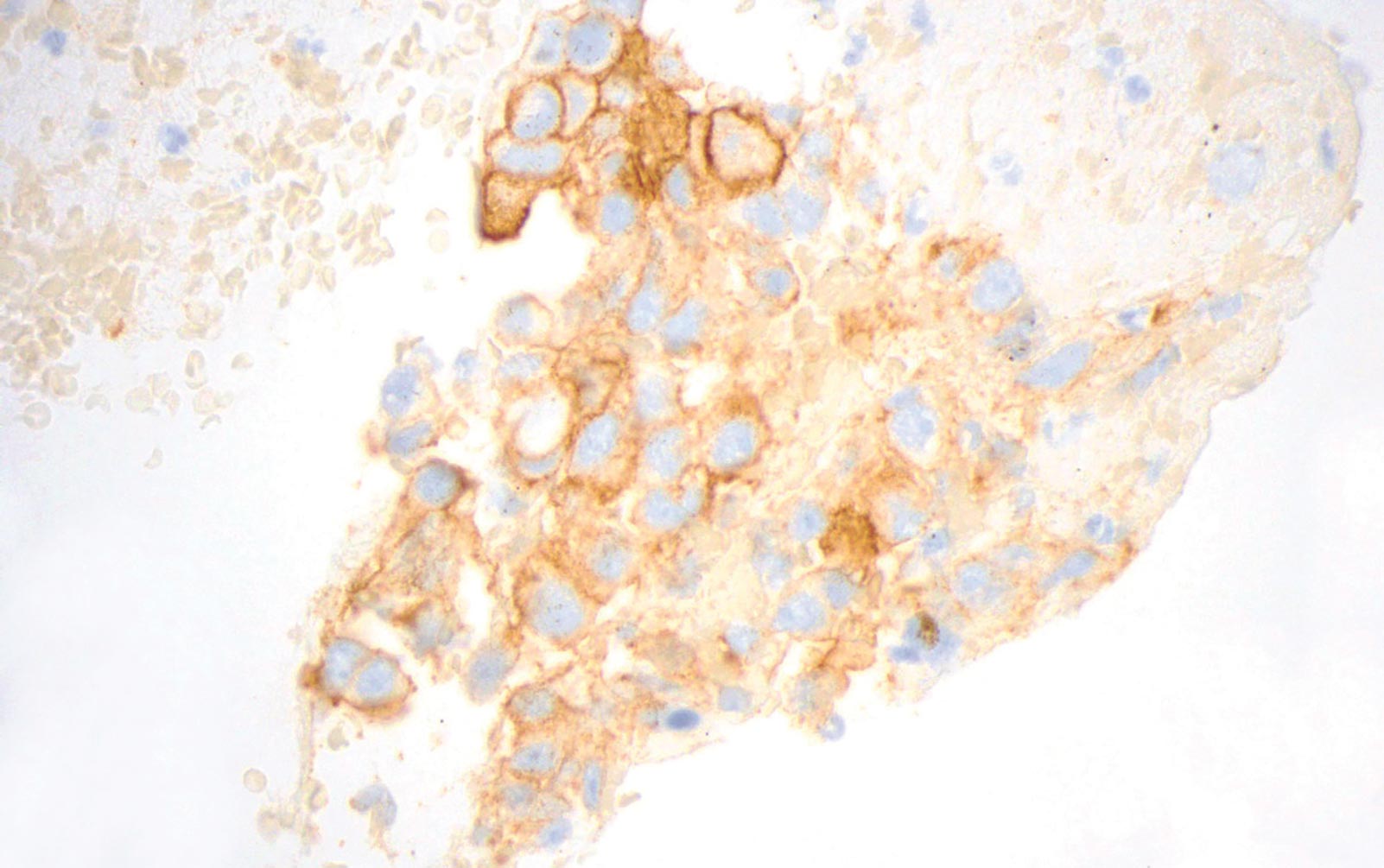
PD-L1 in Cytology Specimens
By Anjali Saqi, MD, MBA; Deepali Jain, MD, FIAC; Lukas Bubendorf, MD; Keith Kerr, MB, ChB, MRCPath, FRCPath, FRCP(Ed); and Andre Moreira, MD, PhD Posted: December 11, 2019 Lung cancer is a leading cause of cancer-related deaths worldwide. In the 21st century, there have been two significant developments in the systemic management of lung cancers.…
-
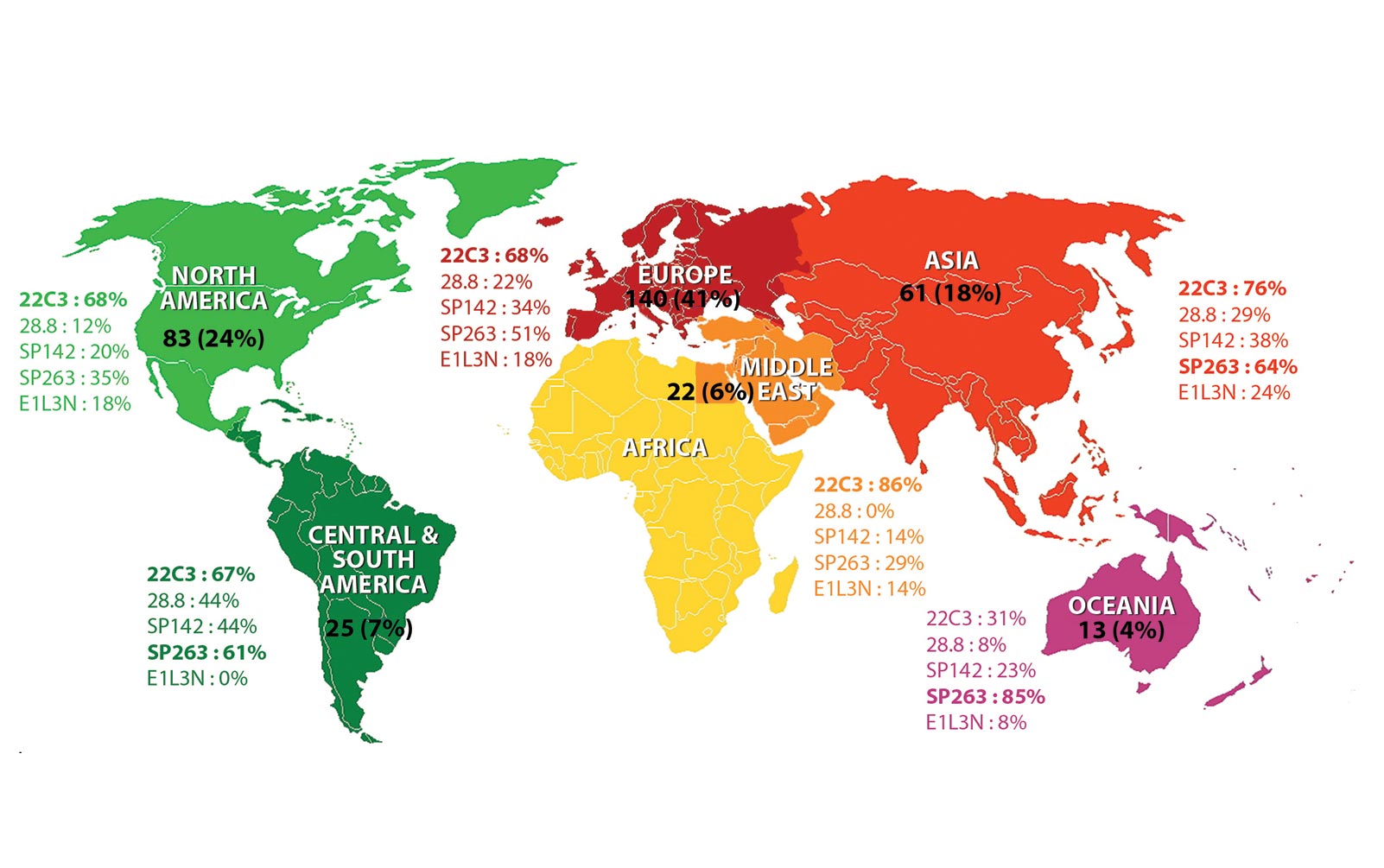
Global Survey for Pathologists on PD-L1 Testing: Moving Toward Standardization
By Mari Mino-Kenudson, MD, and Sylvie Lantuejoul, MD, PhD Posted: November 12, 2019 Determination of PD-L1 expression by immunohistochemistry (IHC) has been widely evaluated in clinical trials as a predictive biomarker for patients with advanced NSCLC and is routinely performed to determine eligibility for pembrolizumab therapy, either as monotherapy or in combination with chemotherapy or,…
-

Special Session to Honor Dr. Adi Gazdar
By Ignacio Wistuba, MD, and John Minna, MD Posted: August 14, 2019 Dr. Adi Gazdar was a scientific pioneer, a groundbreaking pathologist, a loyal friend, and an inspiring mentor. Dr. Gazdar was born in India; he earned his medical degree from Guy’s Hospital Medical School at the University of London and completed residencies in pathology at…
View ILCN Archives
Provider Resources
Popular Articles