




-
Interim NADIM ADJUVANT Data Suggest Adjuvant Chemo-IO May Reduce Recurrence Risk in Patients Following Complete Resection
-
Final FLAURA2 OS Data Show Osimertinib Plus Chemo Offers Benefit Compared with Monotherapy
-
Potential Impact of GLP1-RAs on TKI-induced Weight Gain in Patients with NSCLC
-
No “Known” Risk Factors: The Health Consequences of Radiation Therapy
-
Discussion Covered Updates, Strategies, and Controversies in Lung Cancer Staging
-
No PFS, OS Benefit Seen in Final Results from PACIFIC-2
-
WCLC Attendees Hear Preview of Proposed Changes for the 9th Edition of the TNM Staging Classification for Thoracic Cancers
-
Treatment of Immunotherapy-Related Dermatologic Toxicities: An Interview with Dr. Mario Lacouture
-
A Holistic Approach to Patient Care
Sign up for news updates
WCLC 2020 Archive
-
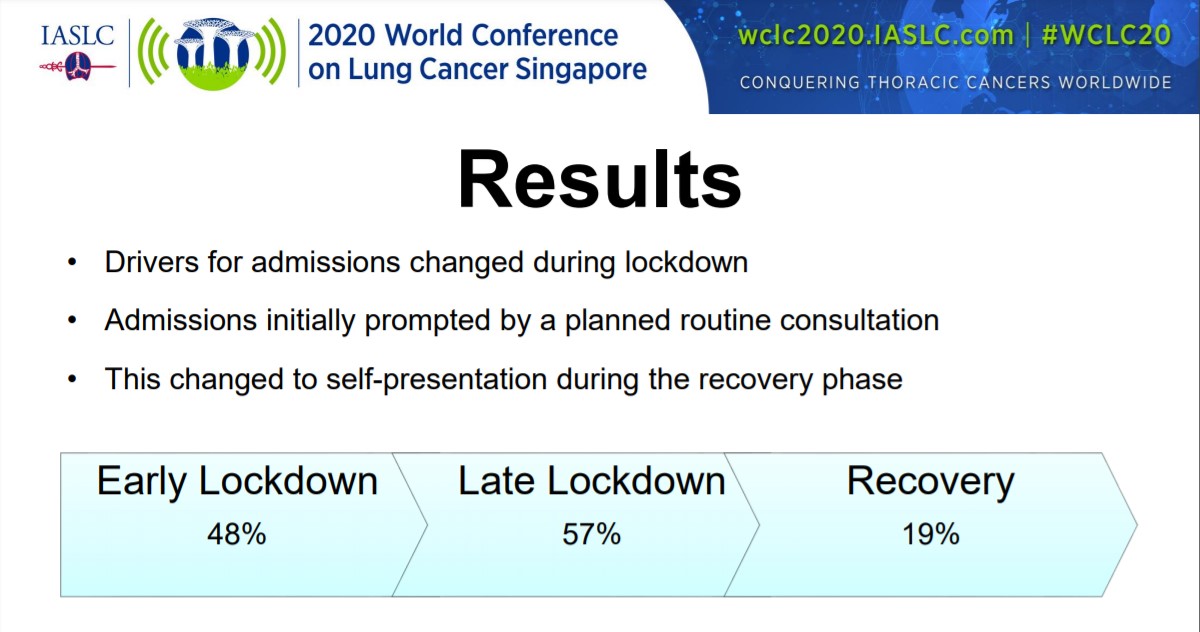
Acute Admissions Rates for Lung Cancer Patients Up During Pandemic, Not Linked to COVID-19
Data from a single-center study in Scotland suggested that there were more patients with lung cancer admitted acutely with cancer, non-COVID-19-related illness during the COVID-19 pandemic. “Early and late lockdown were characterized by a reduction in self-presentation and longer resulting admission suggesting that patients were admitted with more complex pathology and consequently had longer admission,”…
-
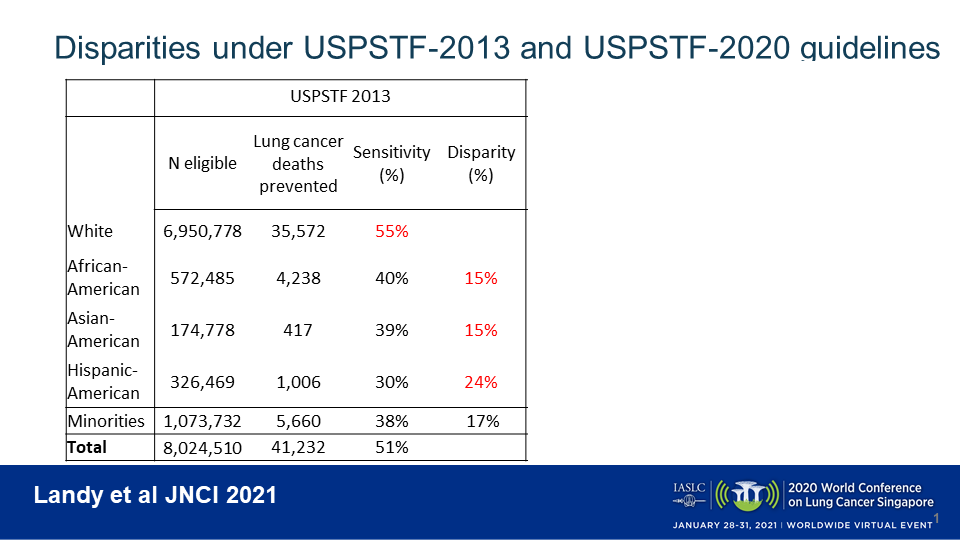
Modeling Analyses Show That Expansions in Lung Cancer Screening Guidelines to Better Capture Underrepresented Populations Still Need Work
Two abstracts presented at the 2020 World Conference on Lung Cancer shed light on how changes in current screening guidelines can influence lung cancer detection rates, specifically among underrepresented populations. As both studies illustrate, sometimes seemingly innocuous changes intended to improve detection rates can actually have negative consequences. Performance of the Draft 2020 USPSTF Lung…
-
Young Investigators Awarded Grants to Study COVID-19 and Lung Cancer
Lung Ambition Alliance to award four new Junior Faculty Research Grants. Four early-career researchers have been selected to receive the Lung Ambition Alliance Junior Faculty Grants for the Study of COVID-19 and Lung Cancer. Research shows that patients with lung cancer have worse outcomes with COVID-19 and these grants are intended to fund groundbreaking research…
-

Lung Ambition Alliance: Stronger Together
The IASLC has formed an alliance with the Global Lung Cancer Coalition (GLCC), Guardant Health, and AstraZeneca to accelerate the pace of lung cancer survival worldwide. This collaborative effort—known as the Lung Ambition Alliance—allows scientists, specialists, advocates, and patients to break the barriers limiting progress with a goal to double 5-year survival rates of lung…
-
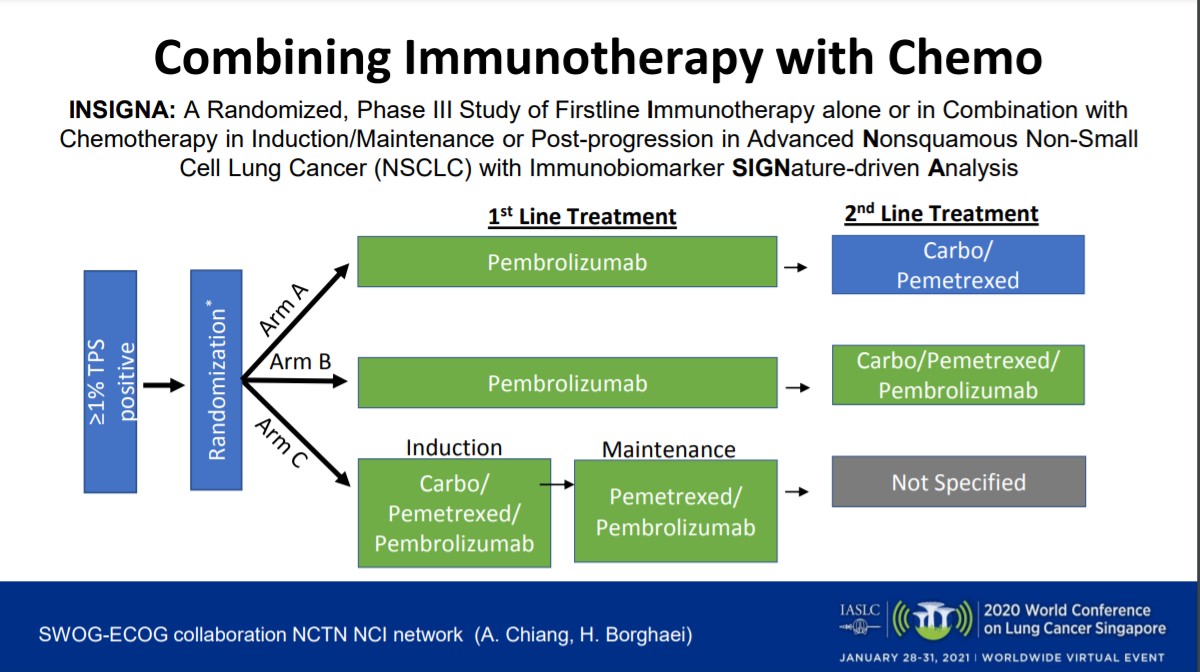
Use of Predictive Biomarkers, Incorporating Chemotherapy—What Is Best When Using Immunotherapy in Advanced NSCLC?
Oncologists currently have three main therapeutic strategies to choose from when managing patients with advanced NSCLC who lack targetable mutations: immunotherapy alone, immunotherapy-immunotherapy combinations, or immunotherapy-chemotherapy combinations. So how does one choose between them, and should we be selecting patients for therapy? These questions were addressed during an Education Session entitled, “Pro-Con: Do We Need…
-

Patient Advocate Comment: Amivantamab for Exon 20
Amivantamab for Exon 20-Related NSCLC: Excitement in the Patient Community We look forward to Dr. Joshua Sabari’s presentation during the oral abstract presentation session “OA04: new Data from Rare EGFR Alterations,” with the welcome CHRYSALIS study results of 8.3 months median progression-free survival and a median overall survival of 22.8 months for this novel EGFR-MET…
-

Presidential Symposium Findings
Read the full articles for detailed summaries of each presentation. TALENT: This national lung cancer screening study conducted in Taiwan in 12,011 individuals, uncovered the presence of lung cancer in 2.6% of the study population. These results are striking, not only because they exceed the 1.1% and 0.9% lung cancer detection rates documented in the…
-
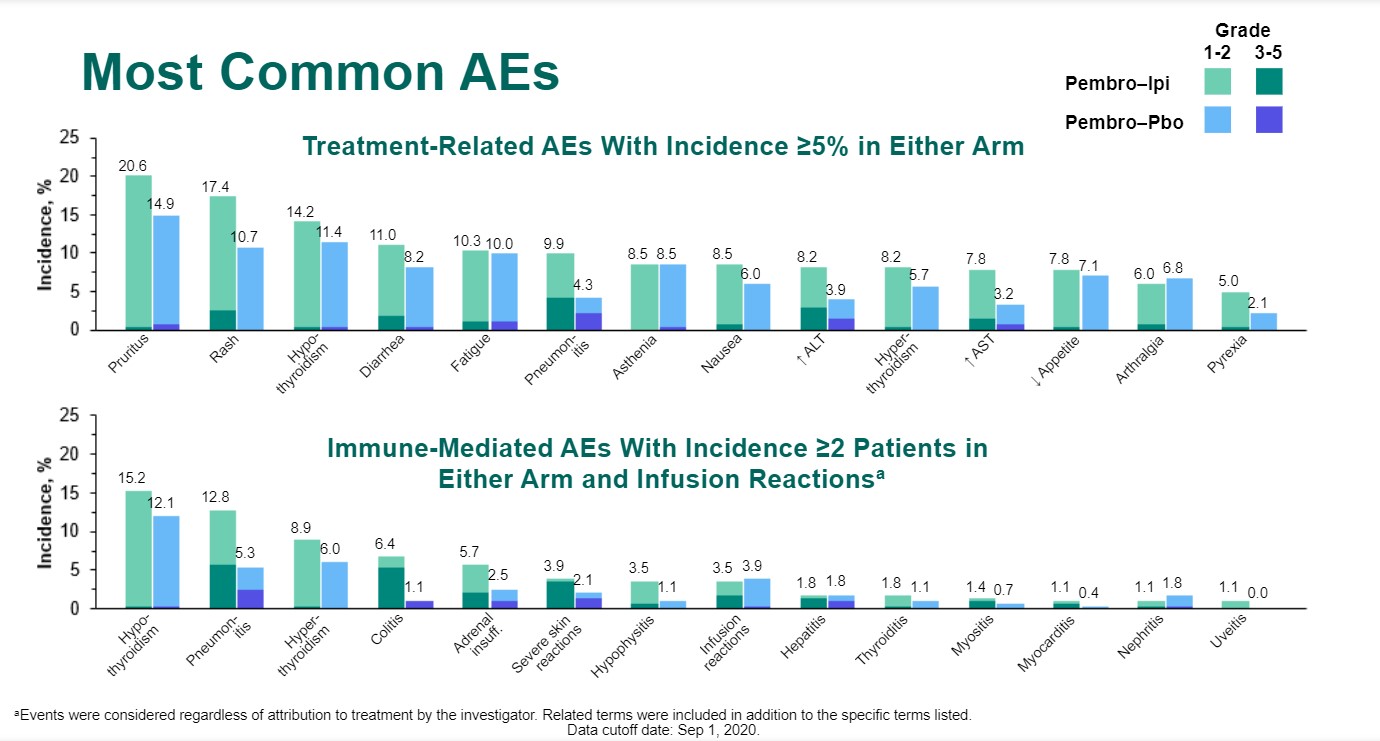
KEYNOTE-598: Dual PD-1 and CTLA-4 Checkpoint Blockade Confers No Therapeutic Benefit Beyond PD-1 Blockade Alone in PD-L1–Positive NSCLC
Patients with metastatic NSCLC with a PD-L1 tumor proportion score (TPS) ≥ 50% face greater toxicity without the benefit of enhanced efficacy when ipilimumab is combined with pembrolizumab in the first-line setting, according to findings of the phase III KEYNOTE-598 trial. In fact, the results at the first interim analysis for the immunotherapy combination were…
-
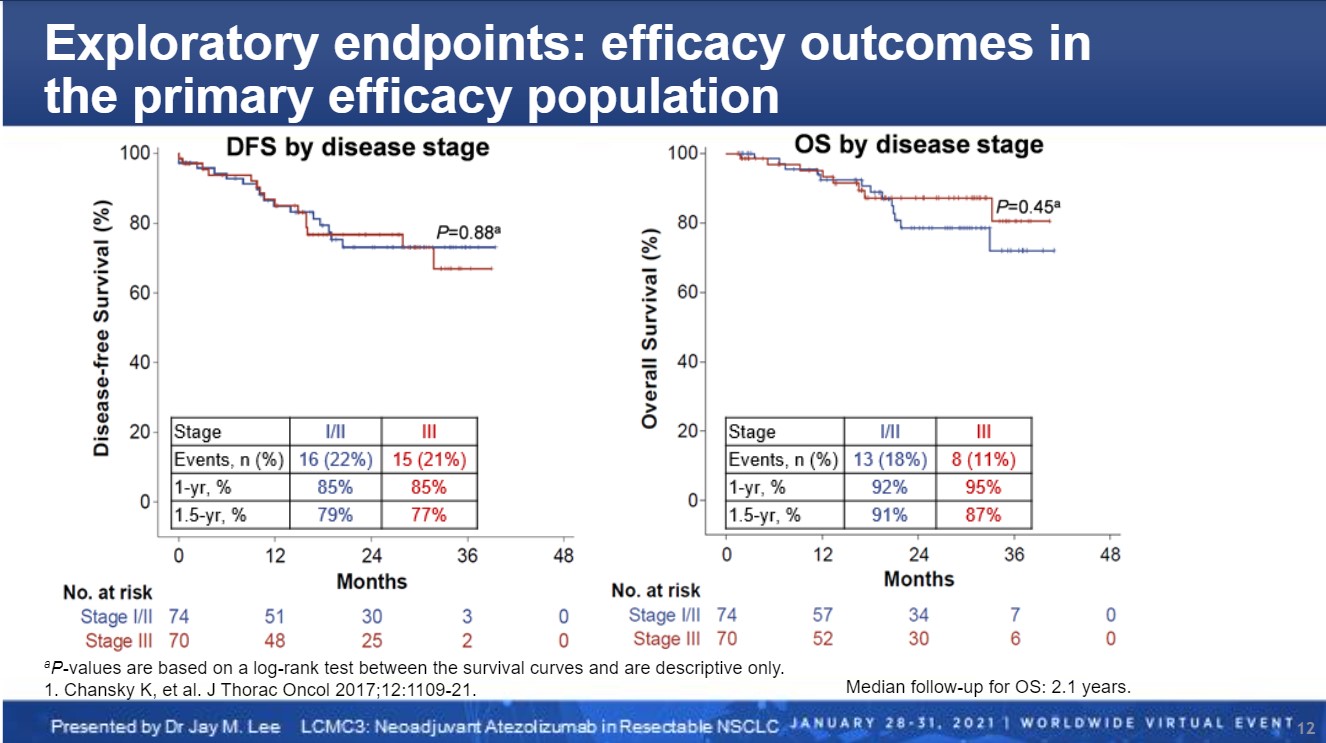
LCMC3 Findings Indicate Neoadjuvant Atezolizumab Safe, Efficacious in Resectable Stage IB-IIIB NSCLC
Primary results of the phase II Lung Cancer Mutation Consortium (LCMC) 3 clinical trial suggest that neoadjuvant atezolizumab may be a worthwhile treatment option for selected patients with resectable stage IB-IIIB NSCLC (Abstract PS01.05). Not only did 21% of patients lacking EGFR or ALK genetic aberrations attain a major pathologic response (MPR) at the time…
-
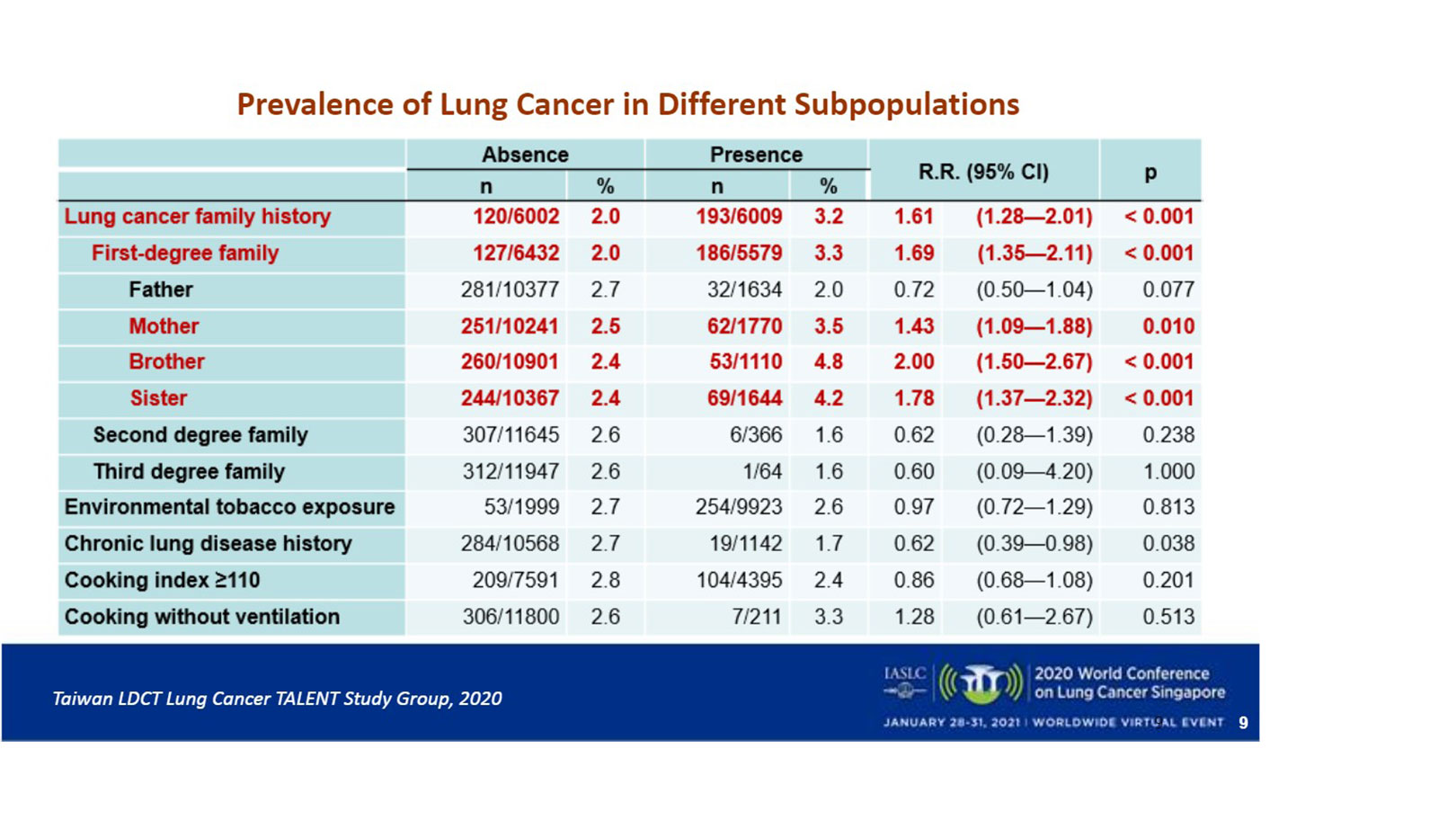
Lung Cancer Screening Study in East Asia Successful at Identifying Early-Stage Disease
TALENT, a national lung cancer screening study conducted in Taiwan in 12,011 individuals, uncovered the presence of lung cancer in 2.6% of the study population (Abstract PS01.02). These results are striking, not only because they exceed the 1.1% and 0.9% lung cancer detection rates documented in the US National Lung Screening Trial1 and the NELSON…
View ILCN Archives
Provider Resources
Popular Articles