





-
Interim NADIM ADJUVANT Data Suggest Adjuvant Chemo-IO May Reduce Recurrence Risk in Patients Following Complete Resection
-
Final FLAURA2 OS Data Show Osimertinib Plus Chemo Offers Benefit Compared with Monotherapy
-
Potential Impact of GLP1-RAs on TKI-induced Weight Gain in Patients with NSCLC
-
No “Known” Risk Factors: The Health Consequences of Radiation Therapy
-
Discussion Covered Updates, Strategies, and Controversies in Lung Cancer Staging
-
No PFS, OS Benefit Seen in Final Results from PACIFIC-2
-
WCLC Attendees Hear Preview of Proposed Changes for the 9th Edition of the TNM Staging Classification for Thoracic Cancers
-
Treatment of Immunotherapy-Related Dermatologic Toxicities: An Interview with Dr. Mario Lacouture
-
A Holistic Approach to Patient Care
Sign up for news updates
Evolving Standards of Care
-

Lorlatinib’s Role in ROS1-Positive Lung Cancer
By Alice Shaw, MD, PhD Posted: May 27, 2019 On November 2, 2018, lorlatinib, a potent and central nervous system (CNS)–penetrant next-generation ALK/ROS1 inhibitor, was granted accelerated approval by the U.S. Food and Drug Administration for the treatment of advanced ALKpositive lung cancer. The approval represents a significant advance for patients with ALK-positive lung cancer. Given…
-
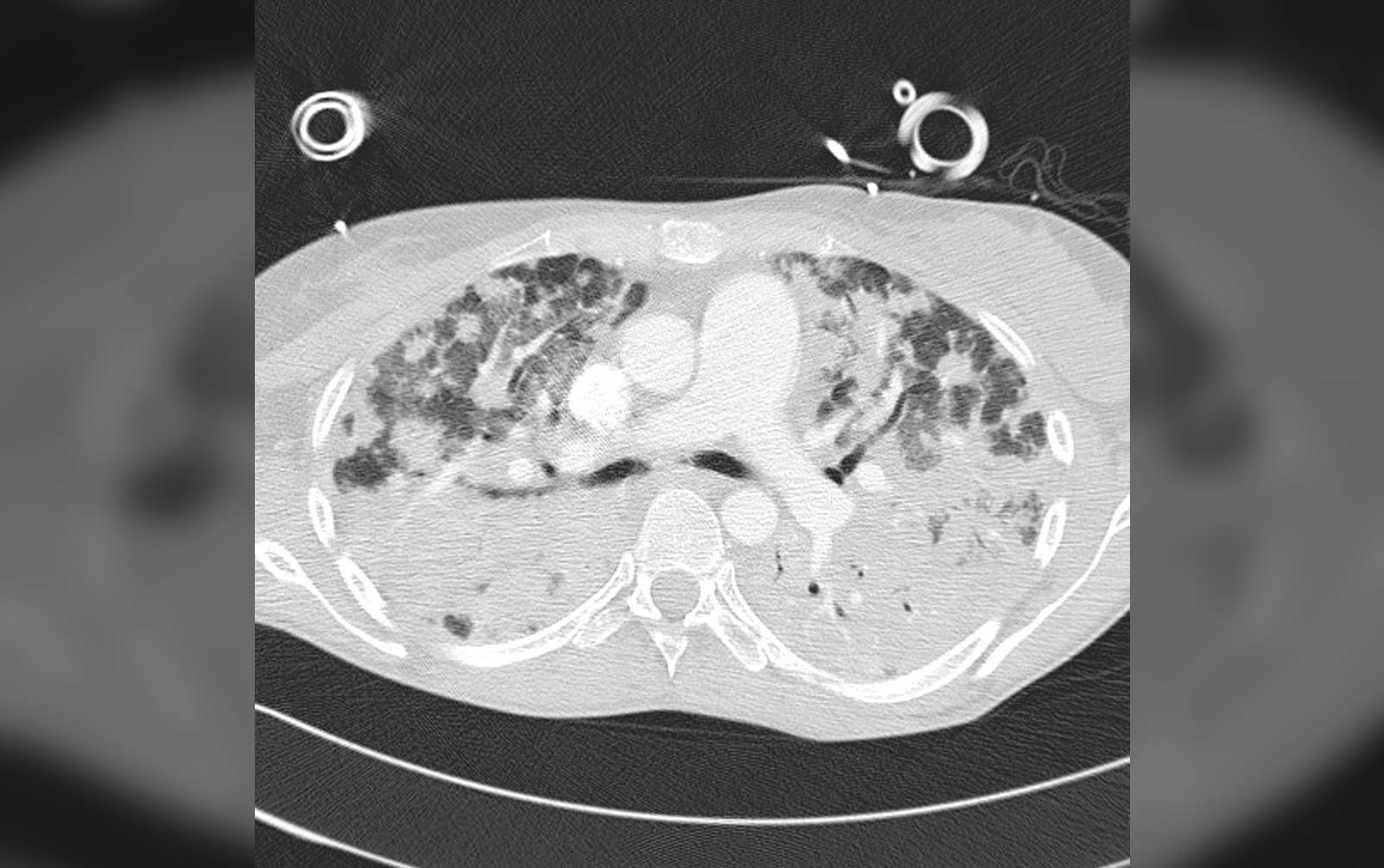
ICU Care for the Patient with Lung Cancer
By Anne-Claire Toffart, MD, PhD, and Jean-François Timsit, MD, PhD Posted: April 1, 2019 Dr. Anne-Claire Toffart Survival rates for patients with lung cancer who were admitted into the intensive care unit (ICU) have improved during the past 2 decades. In recent studies, ICU mortality for those patients admitted on an unscheduled basis was 30% to…
-

Point/Counterpoint: Why TMB Should or Should Not Be Assessed in Patients with Advanced NSCLC
Posted: April 1, 2019 Why TMB Should Be Assessed in Patients with Advanced NSCLC By Fabrice Barlesi, MD, PhD Dr. Fabrice Barlesi Immune checkpoint inhibitors, especially PD-1 and PD-L1 inhibitors, have deeply changed the second-line treatment of patients with advanced NSCLC, with three newly registered drugs in only a few years. Immune checkpoint inhibitors are also…
-

Understanding the Effects of Time to Surgery on Upstaging for Stage I Non-Small Cell Lung Cancer
By Russell Bahar, Bsc and Elliot Wakeam, MD, MPH Posted: April 1, 2019 IN REFERENCE TO: Serna-Gallegos DR, et al Effects of time from completed clinical staging to surgery: Does it make a difference in stage 1 nonsmall cell lung cancer? AATS 2018; Abstract 67. Pathologic upstaging of NSCLC occurs in an estimated 14% to 25% of…
-
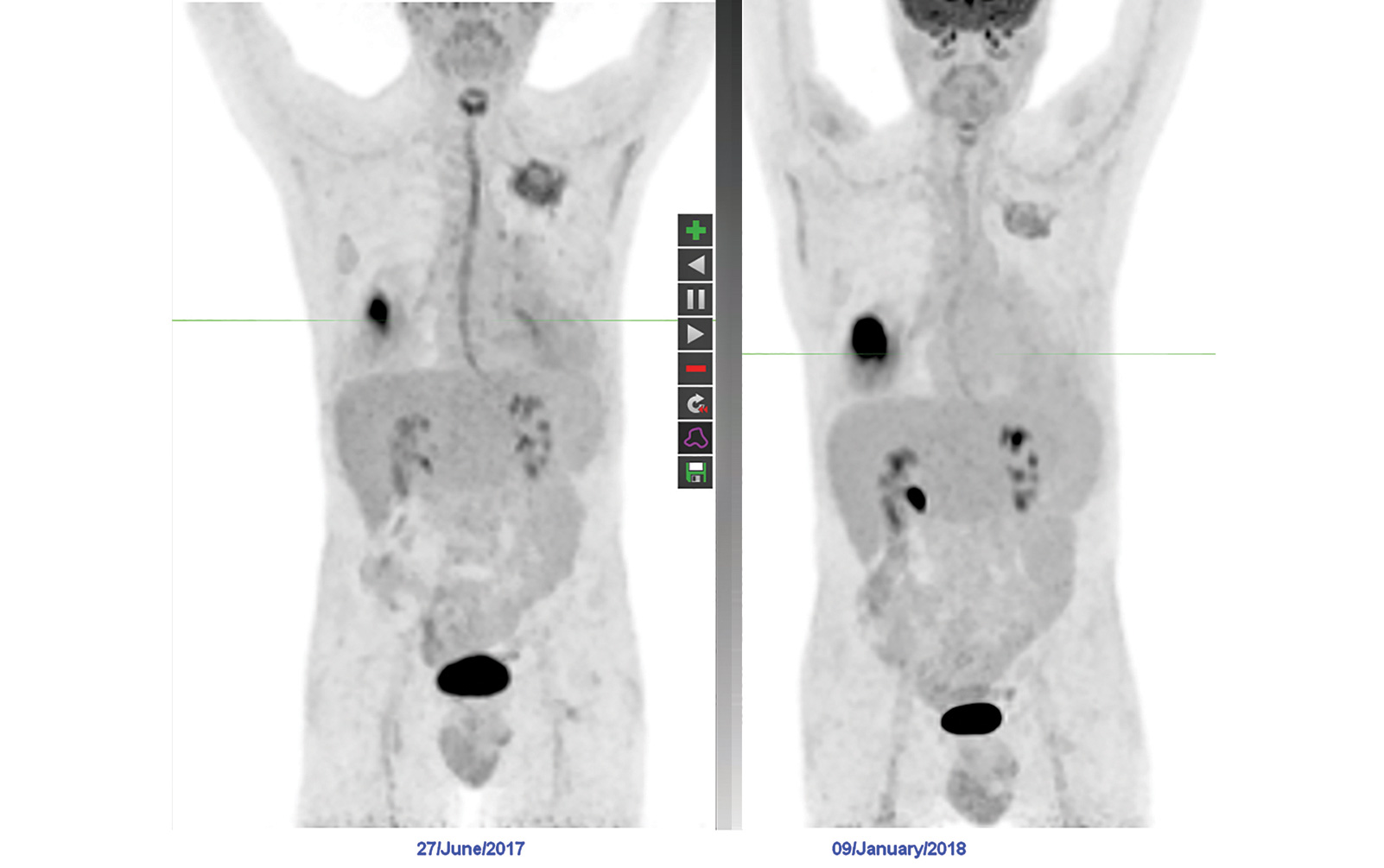
Nuances of PET Interpretation in Thoracic Oncology: More Than Just Lung Cancer
By Michael MacManus, MD, FRANZCR, and Tim Akhurst, MD, FRACP Posted: March 1, 2019 Dr. Michael MacManus 18F-FDG PET/CT scans portray living biology and are indispensable in thoracic oncologic evaluations, including presurgical staging of NSCLC, patient selection and target-volume definition in curativeintent radiation therapy (RT), and the evaluation of patients with suspected recurrence after definitive…
-
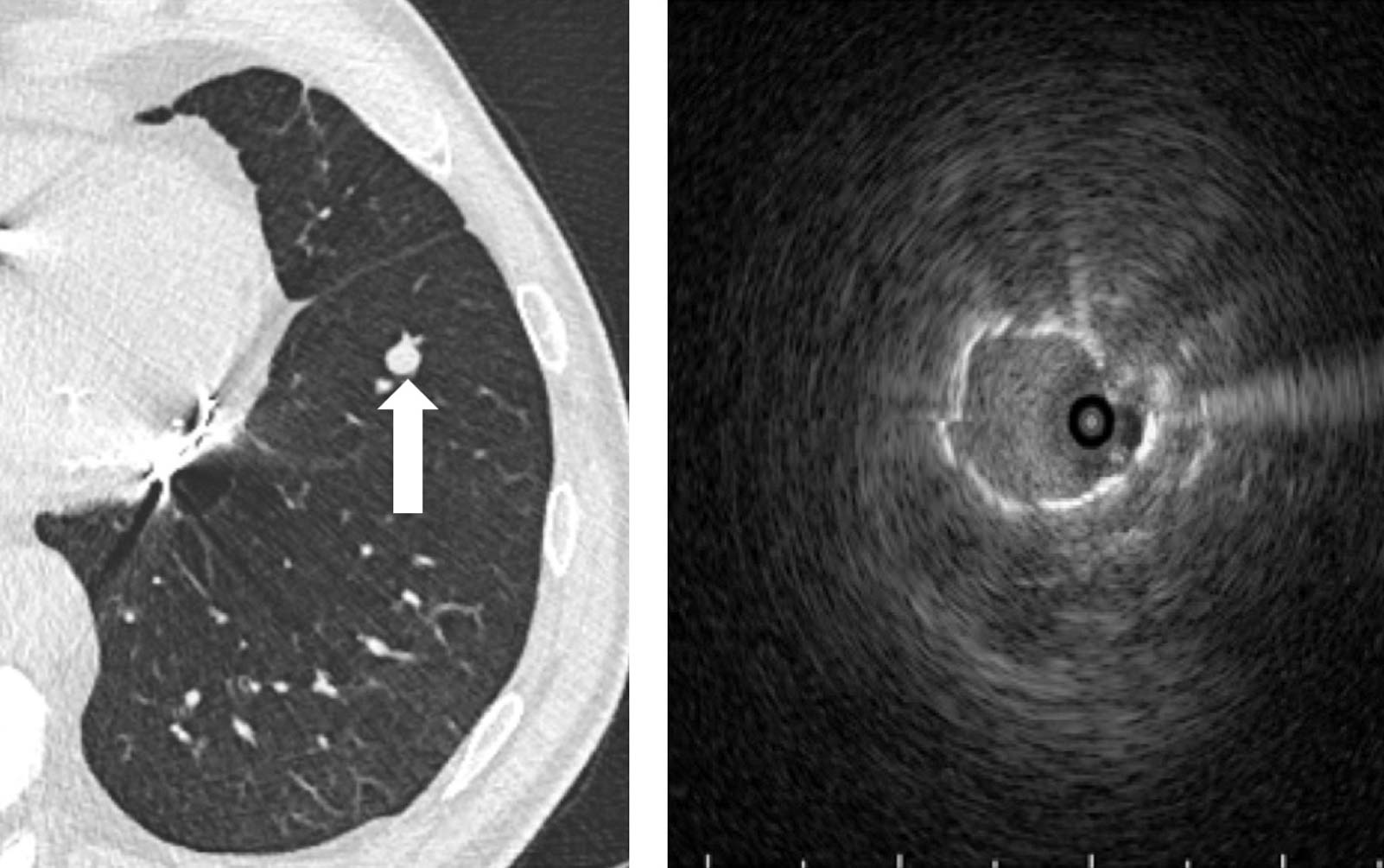
The Vital and Evolving Role of Bronchoscopic Technologies in Lung Cancer Management
By Andrew R. Haas, MD, PhD Posted: October 2018 Lung cancer remains the leading global cause of cancer-related mortality.1 Due to the lack of symptoms at the time early-stage disease first manifests, the majority of patients still present with advanced-stage disease. Optimal treatment and patient outcome is incumbent on thorough radiographic and invasive staging. In…
-

The Treatment of Patients with Oligometastatic Lung Cancer
By Anne-Marie C. Dingemans, MD, PhD, and Lizza E.L. Hendriks, MD, PhD Posted: October 2018 Patients with stage IV NSCLC are generally viewed as having incurable disease; however, for years, patients presenting with a solitary brain or adrenal metastasis have been treated with local ablative treatment (LAT) with curative intent, and multiple series have shown…
-

EGFR TKIs: A Marathon or Sprint?
By Edgardo S. Santos Castillero, MD, FACP Posted: October 2018 The approval of osimertinib in the frontline setting for patients with EGFR-sensitizing mutations has immediately challenged the decision-making process for oncologists. Osimertinib, a third-generation EGFR TKI, was initially developed as a specific therapy for EGFR T790M mutations, the most common mechanism of acquired resistance for…
-

CAR-T Cells for Lung Cancer: Q&A with Dr. Charu Aggarwal
Posted: October 2018 With complete remissions seen in up to 90% of patients with B-cell acute lymphoblastic leukemia (ALL), a breakthrough therapy designation in multiple myeloma, and a first-of-its-kind approval for children and young adults with ALL, CAR-T cells have transformed the treatment landscape for hematologic malignancies. Progress in solid tumors, however, has been considerably…
-

Circulating Tumor Cell–Derived Patient eXplants: A New Tool for SCLC Research
By Caroline Dive, CBE, PhD, FMedSci, and Kris Frese, PhD Posted: August 2018 Small cell lung cancer (SCLC) is aggressive, disseminates early, and has a dismal prognosis.1 Its genomic landscape which reveals little in the way of obvious druggable targets, presents a significant challenge. One obstacle to a more comprehensive understanding of the biology and…

View ILCN Archives
Provider Resources
Popular Articles