




-
Interim NADIM ADJUVANT Data Suggest Adjuvant Chemo-IO May Reduce Recurrence Risk in Patients Following Complete Resection
-
Final FLAURA2 OS Data Show Osimertinib Plus Chemo Offers Benefit Compared with Monotherapy
-
Potential Impact of GLP1-RAs on TKI-induced Weight Gain in Patients with NSCLC
-
No “Known” Risk Factors: The Health Consequences of Radiation Therapy
-
Discussion Covered Updates, Strategies, and Controversies in Lung Cancer Staging
-
No PFS, OS Benefit Seen in Final Results from PACIFIC-2
-
WCLC Attendees Hear Preview of Proposed Changes for the 9th Edition of the TNM Staging Classification for Thoracic Cancers
-
Treatment of Immunotherapy-Related Dermatologic Toxicities: An Interview with Dr. Mario Lacouture
-
A Holistic Approach to Patient Care
Sign up for news updates
Meeting News
-

First-line Nivolumab + Ipilimumab Superior to Chemotherapy in Metastatic NSCLC at 6 Years
Dr. Solange Peters presented new follow-up data from CheckMate 227 that show positive results regardless of PD-L1 expression.
-
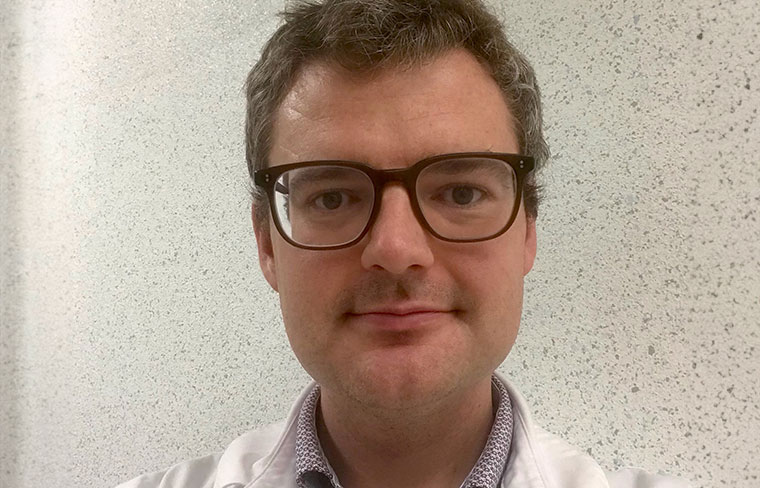
Study Shows Exhaled Breath May Track Treatment Response in Mesothelioma
During WCLC 2023, researcher Dr. Kevin Lamote shared data that demonstrated VOCs in exhaled breath could be a useful biomarker.
-
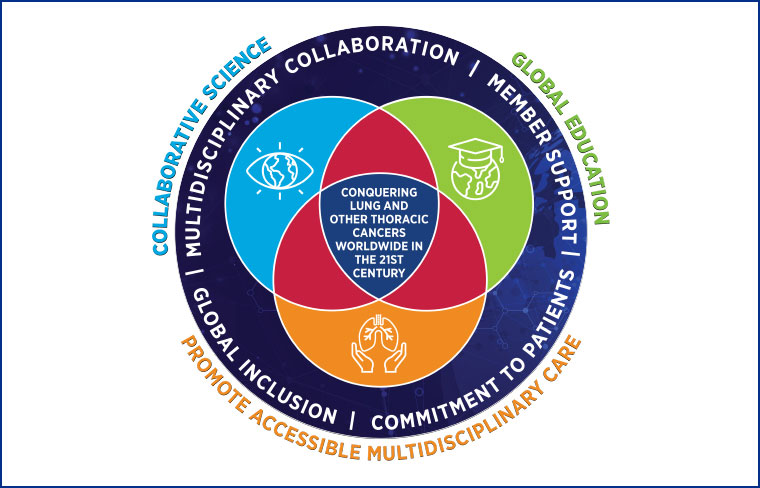
IASLC’s New 5-Year Strategic Plan Unveiled at Business Meeting
IASLC leaders also shared highlights from the association’s membership growth and financial report and officially welcomed President Dr. Paul Van Schil.
-
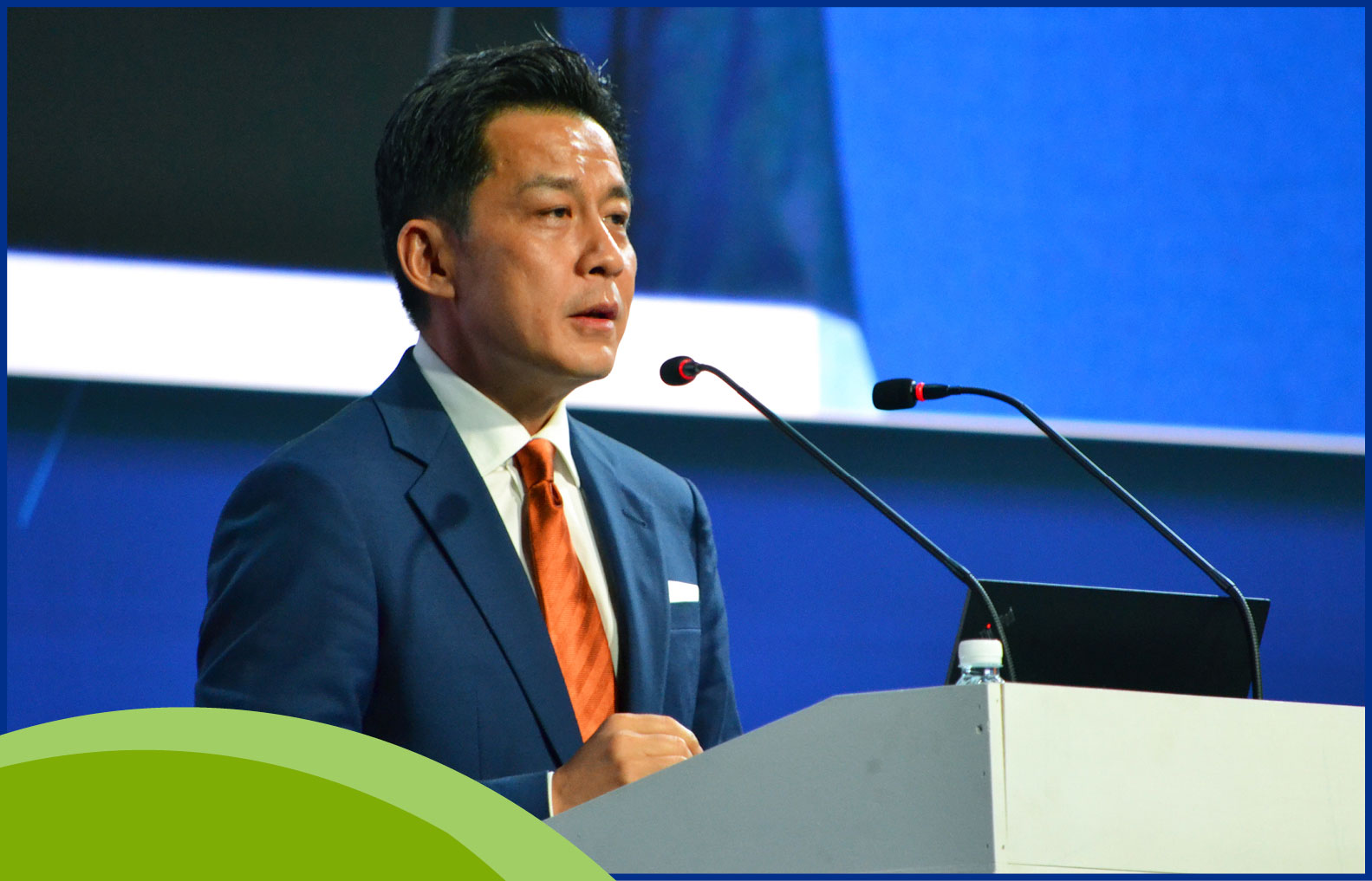
MARS2: Decortication Plus Chemotherapy Associated with Worse Outcomes for Resectable Mesothelioma
During the Presidential Plenary, investigator Dr. Eric Lim shared data comparing surgery plus chemotherapy to chemotherapy alone, one of several potentially practice-changing studies presented during the session.
-
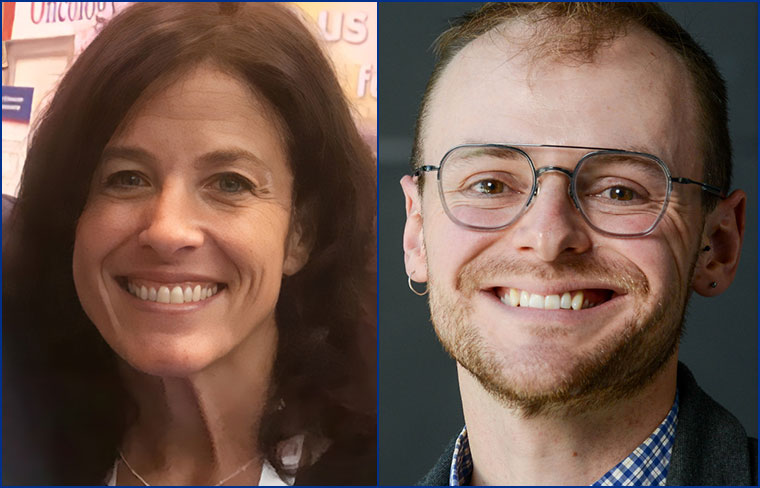
Studies Indicate Progress, Highlight Challenges of Combating Lung Cancer Stigma
Data presented by patient advocate Jill Feldman and Nathan Harrison show that while the IASLC’s Language Guide is helping to reduce the use of stigmatizing language, research on the effects of stigma in lung cancer is lacking.
-

Closing Plenary Aims to Close the Gap Between Neoadjuvant IO, Pathology
Drs. Keith Kerr and Sanja Dacic will examine the role of pathology in patient selection and specimen interpretation in the era of neoadjuvant immunotherapy.
-
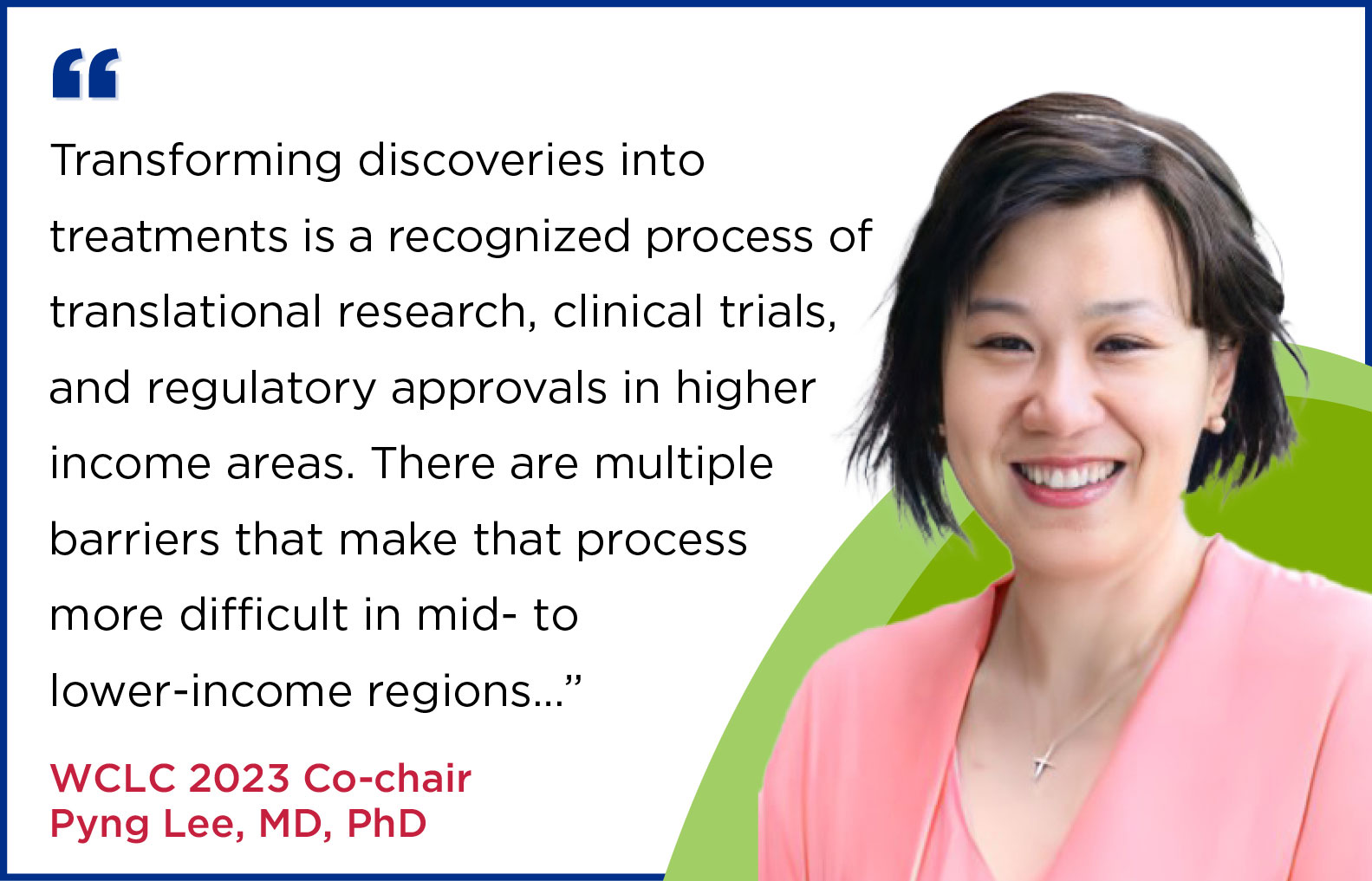
Plenary Session to Offer Strategies for Overcoming Barriers in Transforming Discoveries into Treatments in Lower, Middle-Income Regions
Co-chair Dr. Pyng Lee said simply because a treatment has been approved does not make it an affordable and accessible clinical alternative for lung cancer patients in the real world.
-

Successful Lung Cancer Screening Programs Must Consider Unique Needs of Region, Population
Drs. Claudia Henschke and Pan-Chy Yang to chair an education session designed to help thoracic oncologists translate research into successful lung cancer screening efforts.
-
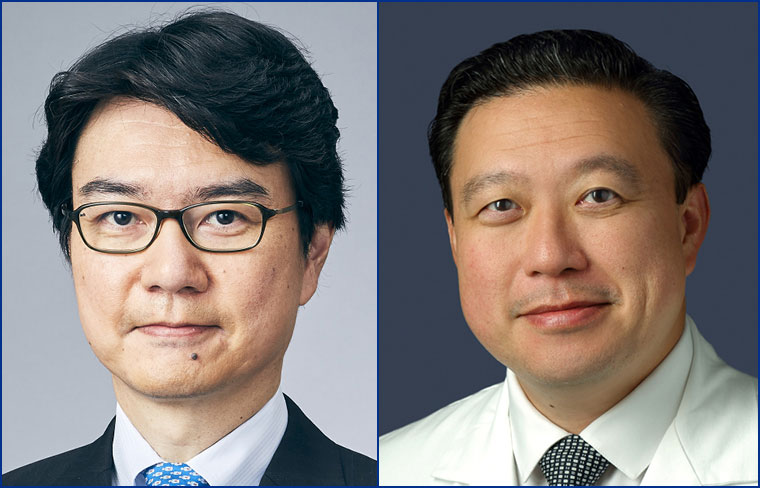
Educational Session to Provide Update on Recent Progress in Treatment of ‘Extensive-Stage’ SCLC
Drs. Hidehito Horinouchi and Stephen Liu will chair the session, which will explore multiple advances driving survival gains, including antibody-drug conjugates, bispecific T-cell engagers, and targeted therapies.
-
New Strategic Plan to be Unveiled at IASLC Business Meeting
Members are invited to join the meeting and learn about the new plan, which will guide the association for the next 5 years.
View ILCN Archives
Provider Resources
Popular Articles