





-
Interim NADIM ADJUVANT Data Suggest Adjuvant Chemo-IO May Reduce Recurrence Risk in Patients Following Complete Resection
-
Final FLAURA2 OS Data Show Osimertinib Plus Chemo Offers Benefit Compared with Monotherapy
-
Potential Impact of GLP1-RAs on TKI-induced Weight Gain in Patients with NSCLC
-
No “Known” Risk Factors: The Health Consequences of Radiation Therapy
-
Discussion Covered Updates, Strategies, and Controversies in Lung Cancer Staging
-
No PFS, OS Benefit Seen in Final Results from PACIFIC-2
-
WCLC Attendees Hear Preview of Proposed Changes for the 9th Edition of the TNM Staging Classification for Thoracic Cancers
-
Treatment of Immunotherapy-Related Dermatologic Toxicities: An Interview with Dr. Mario Lacouture
-
A Holistic Approach to Patient Care
Sign up for news updates
Early Detection & Screening
-
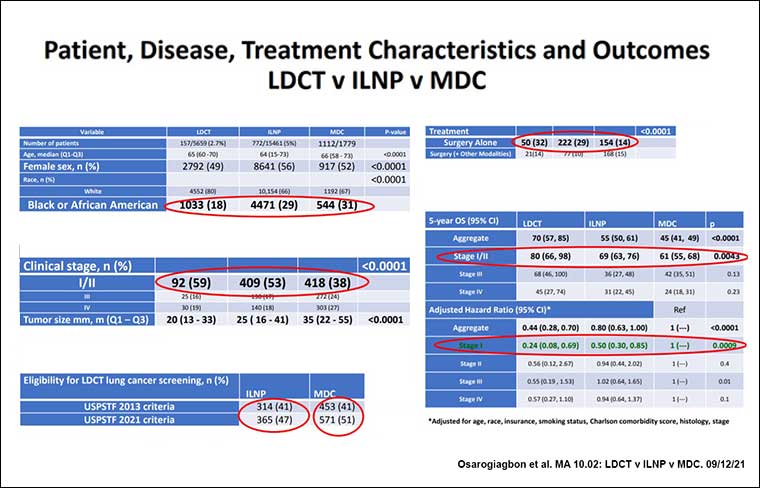
Ongoing Research Looks at Optimizing Lung Cancer Screening Programs
Studies seek to optimize lung screening by monitoring incidentally detected nodules, delaying some repeat scans, and balancing false positives against delayed diagnosis.
-

Increasing Adherence to CT Lung Cancer Screening Programs
Two large-scale, randomized controlled trials—the U.S. National Lung Screening Trial (NLST; n = 53,454) and the Dutch–Belgian Randomized Lung Cancer Screening Trial (NELSON; n = 15,792)—have demonstrated that lung cancer screening (LCS) with low-dose CT substantially reduces lung cancer mortality in a high-risk population.1,2 Despite the conclusive evidence for the effectiveness of LCS, national data…
-
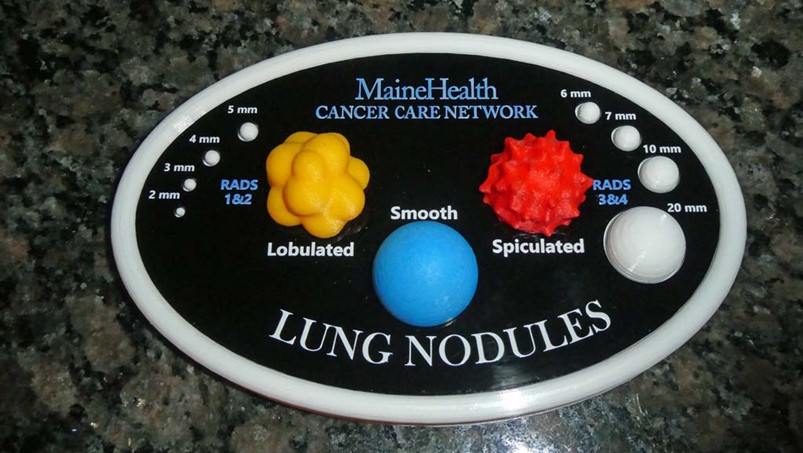
3D Model of Lung Nodules Reduces Anxiety for Patients While Helping Them Understand Their Cancer Risk
Thousands of Americans each year learn that CT chest screening has identified nodules on their lungs and, as a result, they often experience distress, fear, and confusion about their cancer risk, which may be compounded by miscommunications with their providers. Theresa Roelke, MSN, APRN-AGPCNP, a nurse practitioner who specializes in geriatrics and manages the lung…
-
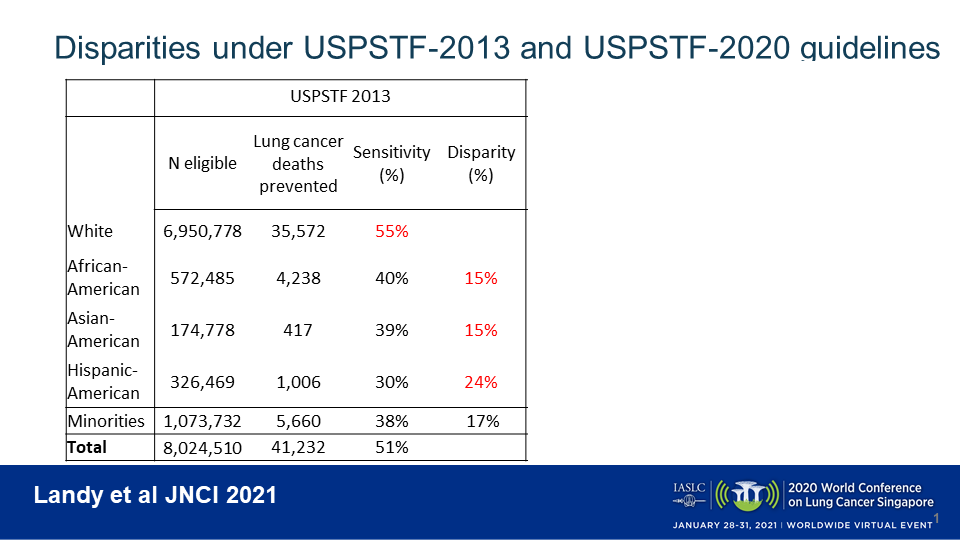
Modeling Analyses Show That Expansions in Lung Cancer Screening Guidelines to Better Capture Underrepresented Populations Still Need Work
Two abstracts presented at the 2020 World Conference on Lung Cancer shed light on how changes in current screening guidelines can influence lung cancer detection rates, specifically among underrepresented populations. As both studies illustrate, sometimes seemingly innocuous changes intended to improve detection rates can actually have negative consequences. Performance of the Draft 2020 USPSTF Lung…
-
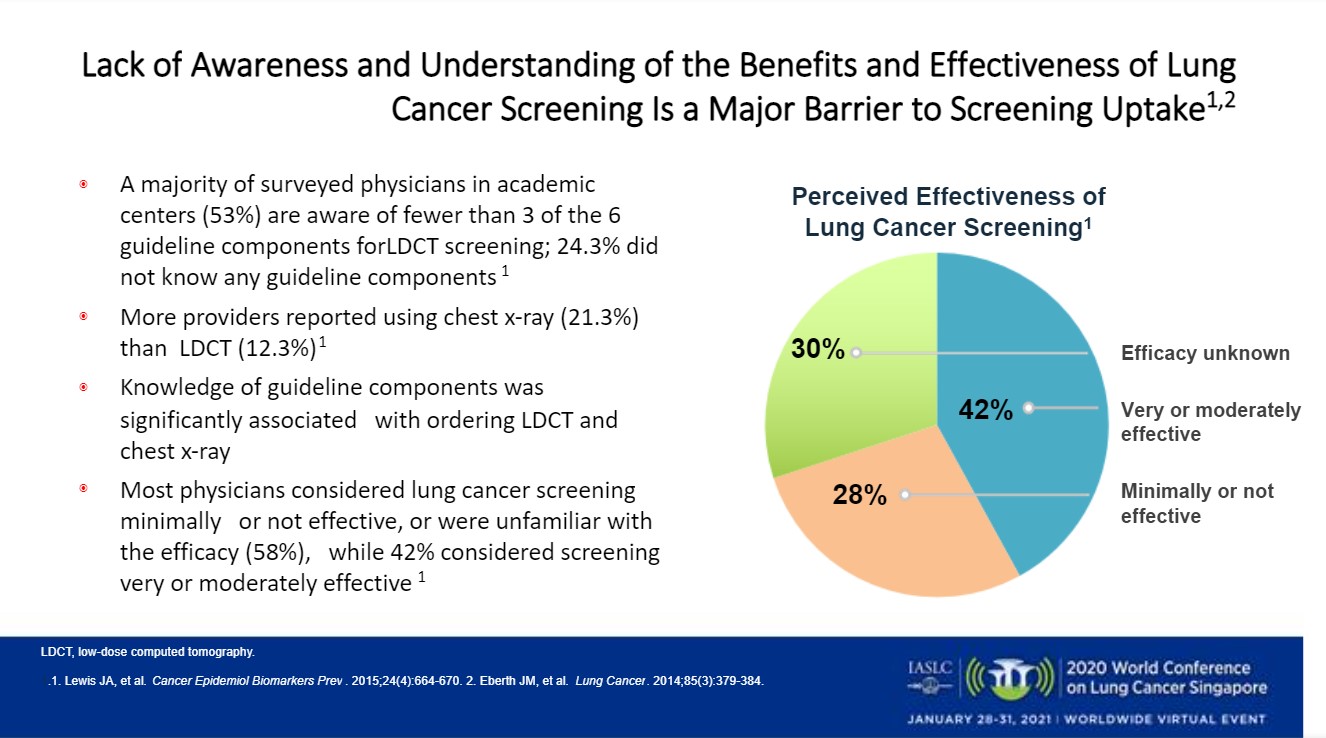
Improved Screening Uptake Could Help Double Lung Cancer Survival by 2025
Between 60% and 65% of patients with lung cancer receive their diagnoses at stage III or IV, meaning that one-third are unaware of their disease when radical surgery, either alone or with adjuvant therapy, could be curative. But what if those numbers were reversed? Pursuing the widespread use of low-dose CT screening to make early…
-
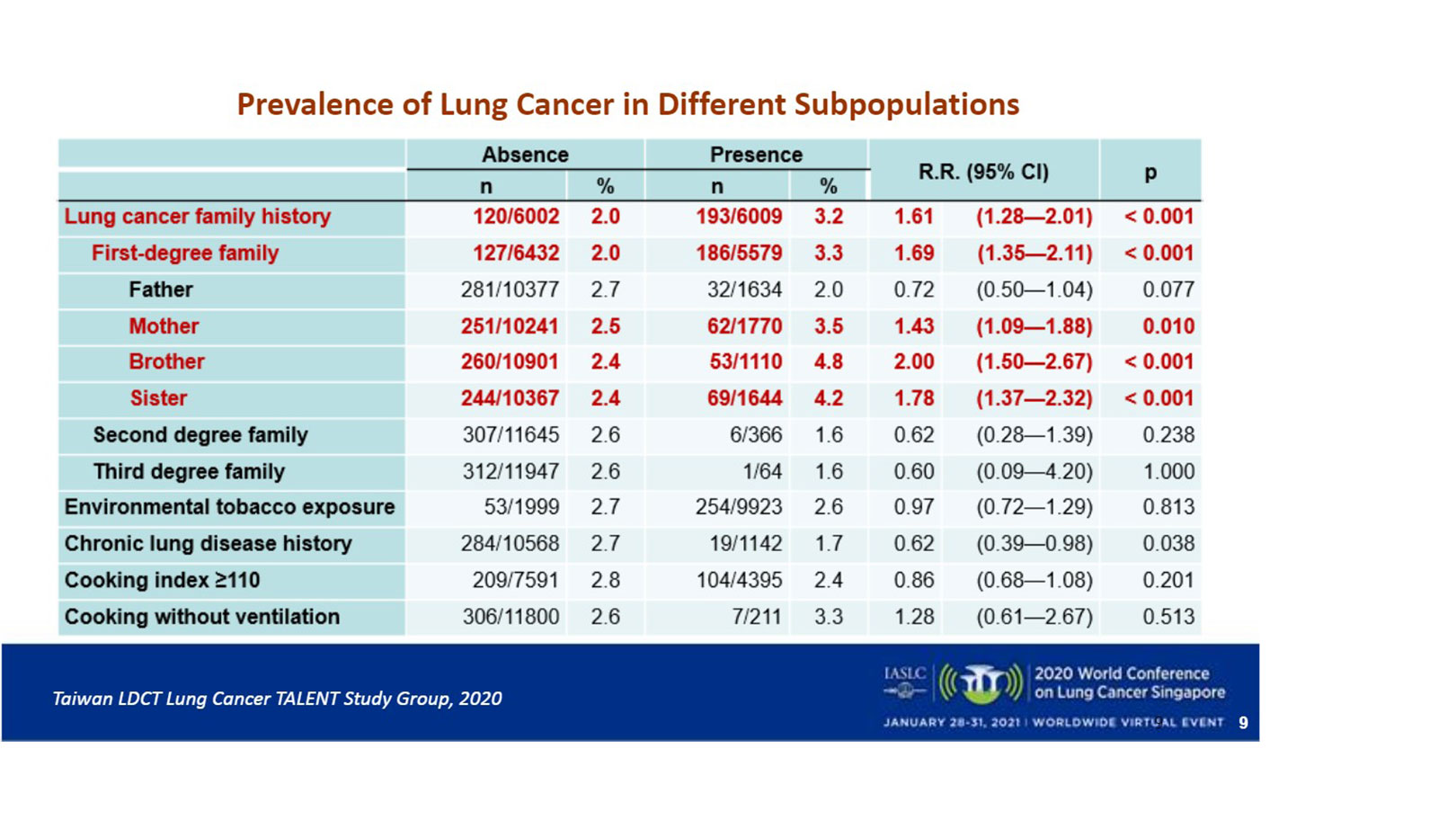
Lung Cancer Screening Study in East Asia Successful at Identifying Early-Stage Disease
TALENT, a national lung cancer screening study conducted in Taiwan in 12,011 individuals, uncovered the presence of lung cancer in 2.6% of the study population (Abstract PS01.02). These results are striking, not only because they exceed the 1.1% and 0.9% lung cancer detection rates documented in the US National Lung Screening Trial1 and the NELSON…

View ILCN Archives
Provider Resources
Popular Articles