During an educational session this afternoon, experts will take a deep dive into the state of artificial intelligence (AI) in lung cancer care and offer insights on AI implementation challenges and solutions from multiple perspectives.
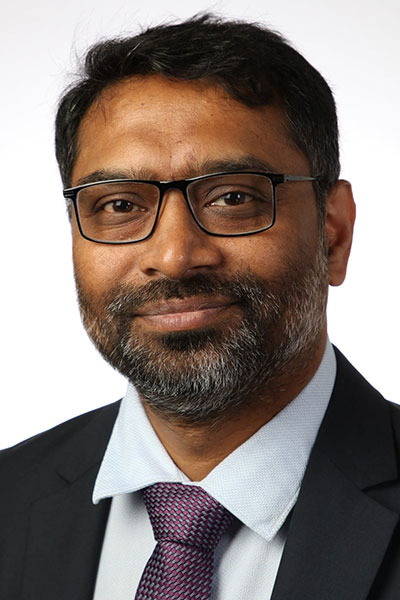
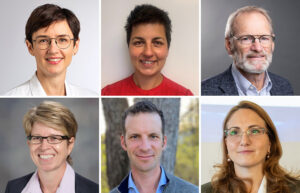
Muhammad Rafiqul Islam, MBBS, MD, MsPH, Assistant Professor of Medical Oncology at the Directorate General of Health Services, Bangladesh, and Postdoctoral Research Fellow at the Institute for Population and Precision Health, University of Chicago, will introduce the session, titled AI in Lung Cancer Care: Implementation, Equity, and Global Perspectives.
“Lung cancer is the most challenging cancer in the world. However, even with modern screening approaches, only about 5% to 10% of lung cancer cases are detected early,” said Dr. Islam, who will also speak on the challenges of AI implementation in low- and middle-income settings. “We are now asking if AI tools can help improve early detection and other domains of lung cancer care. How can we develop and deploy AI-aided models that are affordable, equitable, and beneficial?”
One challenge, Dr. Islam noted, is that AI models developed in Western cohorts may not reflect the underlying genetic or environmental risk factors prevalent in other cohorts.
“Moreover, the healthcare ecosystems function in different ways, which can limit accessibility of AI models,” he said.

AI in Lung Cancer Care: Implementation, Equity, and Global Perspectives
Sunday, September 13, at 16:45 KST • Room 102, Grand Ballroom, 1F
A multidisciplinary panel of experts will take a deep dive into the state of science on artificial intelligence in lung cancer. LEARN MORE
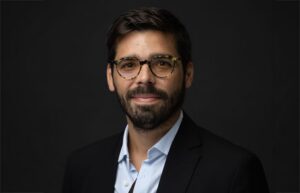
In his talk, Chris Conneran, a technology leader and patient advocate representing KRAS Kickers, will focus on trust, transparency, expectations, and communication in using AI-enabled tools in cancer care.
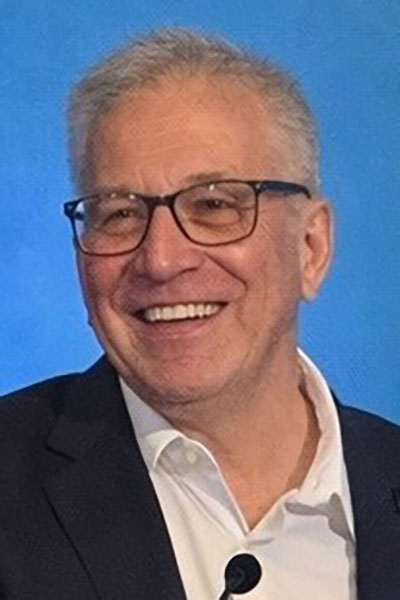
Drawing on three decades of information technology experience, Mr. Conneran will examine an increasingly important question as AI becomes part of healthcare: What happens to personal health information when people use AI-enabled tools to search for clinical trials and other treatment information?
KRAS Kickers identified a gap in how people with KRAS-altered cancers find, understand, and access relevant clinical trial information across different regions and healthcare systems worldwide. To close this gap, Mr. Conneran led the technical development of the KRAS Kickers clinical trial search experience.
The tool helps people with KRAS-mutated tumors identify interventional treatment trials, including approaches beyond KRAS-targeted therapies, within a user-specified geographic area. The tool’s design limits the information collected to what’s required for the search, and it is used solely for its intended purpose. Search results are organized around the person’s clinical context and the interventional treatment landscape, to support conversations with the healthcare team and shared decision-making.
As AI-enabled tools are increasingly used in cancer care, “people need enough information to understand what they are agreeing to before sharing personal health information. Privacy, transparency, and patient agency should, therefore, become part of the design of the technology itself,” Mr. Conneran said. “Responsible AI starts with transparency about where your data goes and how it is used.”
While the KRAS Kickers trial search experience currently focuses on people with KRAS-altered cancers, its broader goal is to reduce barriers to clinical trial information and access for people worldwide.
“AI can help people find information and opportunities that may otherwise be difficult to navigate. Trust comes from knowing how the technology works, what happens to your information, and that people remain in control of the decisions that affect their care,” Mr. Conneran said.
Task Force to Develop Guidance for Responsible AI Use
The IASLC formed an AI task force in January 2026, bringing together patient advocates, radiologists, oncologists, surgeons, pulmonologists, pathologists, translational medicine specialists, and the association’s chief digital officer. The 15-member task force spans the globe and includes Muhammad Rafiqul Islam, MBBS, MD, MsPH, who will serve as co-chair through 2027.
“AI is pervasive, especially in the medical sector,” Dr. Isalam said. “The IASLC AI task force aims to draft guidance for physicians, patients, and the pharmaceutical industry to ensure responsible AI use across the entire lung cancer care continuum.”
The educational session will also include a presentation titled by Arsela Prelaj, MD, PhD, Consultant Medical Oncologist at the Thoracic Unit National Cancer Institute Foundation Milano in Italy. Dr. Prelaj will review the role of AI models across the continuum of lung cancer care, in early detection (e.g., Sybil, Optellum, Galleri), diagnosis and digital pathology (e.g., PathAI, AIFORA, EAGLE), treatment response prediction and decision support (e.g., RayStation, I3LUNG), alongside emerging large language model-based and agentic tools (e.g., Abridge, TrialGPT) supporting clinical decision-making throughout. Her talk will focus on AI-based tools that currently inform or alter practice, as well as those still emerging.
Kenneth Patrick Seastedt, MD, MBA, FACS, Assistant Professor of Oncology at Roswell Park Comprehensive Cancer Center, will then discuss the challenges of AI implementation in high-income settings.
Please refer to the 2026 WCLC Scientific Program for the most up-to-date schedule information.