Modern lung cancer care is becoming increasingly multidisciplinary and complex, making precise communication and shared operating procedures more important than ever. Decisions that once relied primarily on tumor type and staging now integrate radiologic assessment, surgical judgment, pathologic interpretation, molecular findings, and rapidly evolving systemic treatment strategies. In this setting, shared terminology is not simply desirable; it is a prerequisite for delivering high-quality care and conducting meaningful research.
This is the central theme of the Joint European Society of Pathology (ESP) and the International Association for the Study of Lung Cancer (IASLC) session titled Lung Oncology and Pathology: Working Towards Mutual Understanding. The interactive session will take place in parallel with the European Congress of Pathology (ECP) in Stockholm, Sweden. The two-hour session will begin at 15:30 KST, Sunday, September 13, in Room 300, Conference Room South on Floor 3.
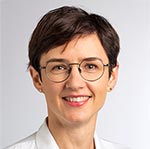
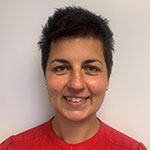
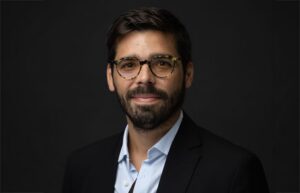
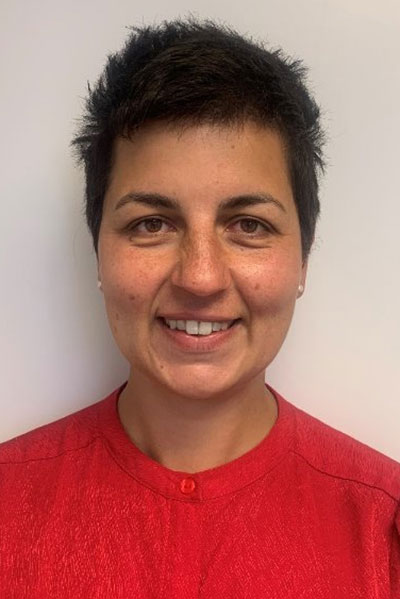
This hybrid event features two speakers at each location and is chaired by Teodora Radonic, MD, PhD, of the Netherlands, who will be on-site in Stockholm, and Sabina Berezowska, MD, of Switzerland, who will be on-site in Seoul. Both are members of the IASLC Pathology Committee and current chairs of the ESP Pulmonary Pathology Working Group.

IASLC-ESP Joint Session—Lung Oncology and Pathology: Working Towards Mutual Understanding
Sunday, September 13, at 15:30 KST • Room 300, Conference Room South, 3F
The joint IASLC-ESP session is designed to highlight challenges in staging and treatment response assessment, discuss surgical and systemic treatment strategies in the era of neoadjuvant therapy, and promote interdisciplinary dialogue among specialists involved in lung cancer care. LEARN MORE
The session represents an educational output of a recently established partnership between the ESP and the IASLC. These two organizations have long provided leadership in their respective fields. Their collaboration reflects a shared recognition that advances in lung cancer care require not only new data and new therapies, but also a common language across disciplines.
Bringing together complementary perspectives from pathology, thoracic surgery, and medical oncology, the program focuses on the rapidly evolving strategies for resectable lung cancer. By highlighting both recent advances and persisting challenges within each discipline, the session aims to foster a more precise, shared understanding that can support better multidisciplinary decision-making and, ultimately, better patient care.
The session is designed for a broad multidisciplinary audience, including pathologists, medical oncologists, radiation oncologists, thoracic surgeons, pulmonologists, and translational lung cancer researchers.
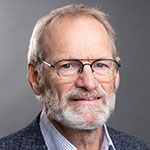
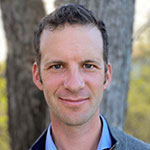
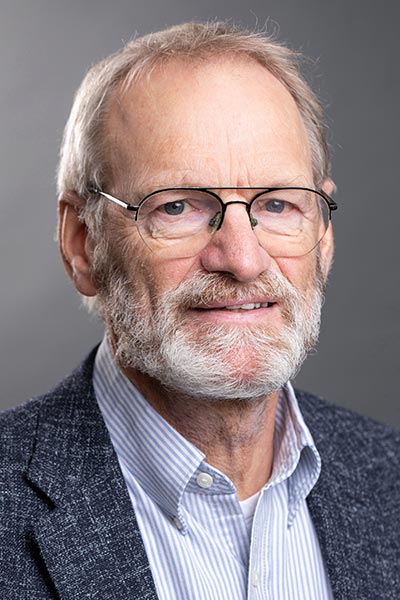
The first presentation, “Pathologic Staging Challenges in Resectable Lung Cancer,” by Erik Thunnissen, MD, PhD, from Amsterdam University Medical Centers and Cancer Center Amsterdam, will address the question: How should invasion be defined, recognized, and measured to reduce current variation in pT staging? This question is not merely academic. The answers influence stage assignment, prognostic interpretation, eligibility for multimodal treatment, and the comparability of clinical studies.
The talk will focus on areas where diagnostic precision is essential, yet interpretation may remain challenging. By addressing these issues in a multidisciplinary setting, the presentation will help clarify why pathologic staging is not always unequivocal. Staging should not be viewed simply as a final reported value, but as the culmination of morphologic, anatomic, and radiologic information.
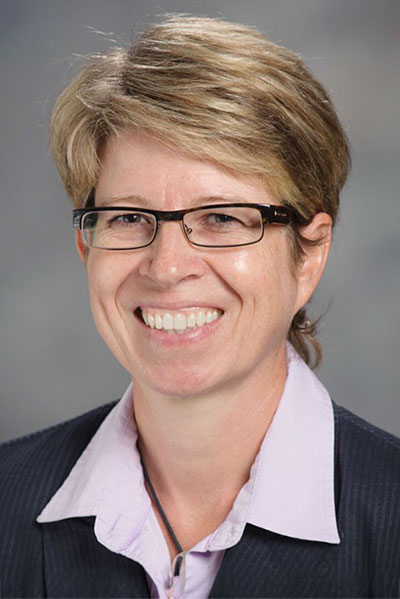
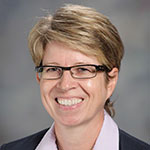
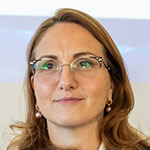
The second presentation, by Annikka Weissferdt, MD, from The University of Texas MD Anderson Cancer Center, is titled “Evaluating Pathologic Response After Neoadjuvant Therapy: From the Microscope to Clinical Decisions.” The central question here is practical: When residual viable tumor is reported after neoadjuvant therapy, pathologists must determine precisely what is being assessed and recognize the potential pitfalls inherent in that evaluation.
As neoadjuvant immunotherapy, chemo-immunotherapy, and targeted approaches become increasingly embedded into the management of resectable lung cancer, pathologic response assessment has moved from a research endpoint into a clinically visible metric. Yet, accurate interpretation requires careful attention to detail. Specimen handling, tumor-bed identification, estimation of residual viable tumor, interpretation of regression changes, and lymph node assessment all require a systematic approach.
This presentation will provide a practical overview of current response assessment, emphasizing how pathologic scoring systems are applied and why their reproducibility matters for oncologists, surgeons, and clinical trialists. The issues of partial, major, or complete response are becoming increasingly important as novel trials are being designed involving adjuvant treatment in patients without complete response after neoadjuvant therapy.
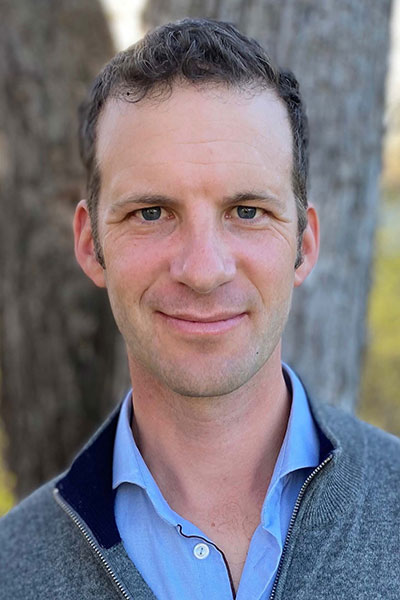
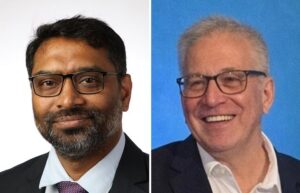
The third presentation, by Jonathan Spicer, MD, PhD, from the Division of Thoracic Surgery at McGill University in Montréal, will shift the focus from the microscope to the operating room. His presentation, titled “Resection in the Era of Neoadjuvant Therapy: A Surgical Perspective,” asks what changes for the surgeon when systemic therapy comes before resection.
Neoadjuvant therapy can create new opportunities and new challenges. Tumor regression, fibrosis, inflammation, nodal downstaging, and persistent nodal disease can all affect surgical planning and intraoperative decision-making. At the same time, the surgeon’s perspective is critical for understanding what is technically feasible, what is clinically meaningful, and what information is needed before and after surgery. This presentation will explore how evolving treatment strategies influence resection and why close coordination among surgeons, oncologists, radiologists, and pathologists is essential.
The fourth presentation, titled “Perioperative Therapy in Lung Cancer: What’s Changing Now?” will be delivered by Alessandra Curioni-Fontecedro, MD, of the Department of Medical Oncology at the University of Fribourg. Here, the guiding question is: How should the multidisciplinary team interpret and act on response in an era of rapidly evolving systemic therapies?
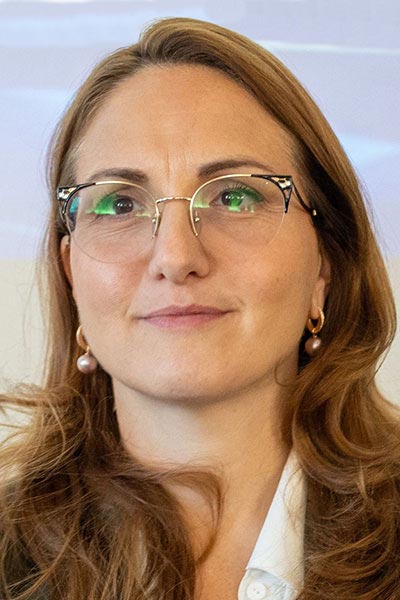
The perioperative landscape in lung cancer is evolving rapidly, with increasing use of immunotherapy, targeted therapy, and combination approaches both before and after surgery. Clinical trial data are reshaping treatment pathways, while new questions are emerging in routine practice. What are the clinical implications of a complete or partial pathologic response? Which patients benefit from additional or reduced therapy, and how should future studies incorporate pathologic, radiologic, molecular, and clinical endpoints? This presentation will place pathology and surgery within the broader therapeutic context and highlight why communication across specialties is essential for translating trial evidence into patient care.
Together, these four presentations will address a shared challenge: The need to align concepts that may be understood differently across disciplines. Terms such as invasive size, residual viable tumor, lymph node regression, resectability, partial response, and radiologic-pathologic correlation carry practical consequences. In clinical care, imprecision may lead to misunderstanding. In research, it may reduce comparability and weaken the relevance of study conclusions.
The goal of this joint ESP–IASLC educational session is therefore both pragmatic and forward-looking. It aims to strengthen the bridge between the pathology report, the operating room, systemic treatment decisions, and the multidisciplinary tumor board. By bringing together speakers from pathology, surgery, and medical oncology in a hybrid format across Stockholm and Seoul, the session embodies the collaborative approach that modern lung cancer care requires.
For participants attending WCLC 2026 in Seoul, this session offers a timely opportunity to engage with European and international perspectives on resectable lung cancer. For those unable to attend live, the on-demand session recordings will serve as a valuable educational resource. Whether viewed in real time or afterward, the session invites all disciplines involved in lung cancer care to work together toward a more precise shared language.
Please refer to the 2026 WCLC Scientific Program for the most up-to-date schedule information.