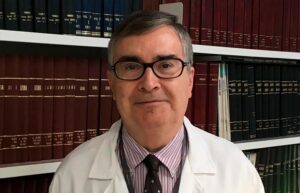






Presenter Profile: Andrew Ciupek, PhD
GO2 for Lung Cancer, Washington, DC
ILCN: What is your presentation about?
Dr. Ciupek: The IASLC STARS (Supportive Training for Advocates on Research and Science) program provides training and support to people who have been diagnosed with lung cancer—and their loved ones. It was launched in 2019 to develop research advocates who can provide a patient perspective to researchers and research efforts.
My presentation will focus on the program’s history and data, showing how its outcomes drive future research, advocacy activities, and participant engagement.
ILCN: Why is this topic timely or important in 2025?
Dr. Ciupek: Clinical research has contributed to the rapid development of more care options for people with lung cancer than ever before—especially in the past decade. The number of new clinical trials is expected to continue increasing year after year, requiring the engagement of more participants than ever. This makes it essential for research studies to reflect the preferences of people with lung cancer and be accessible to all to ensure this pace of innovation continues. Involving people with a personal connection to cancer as partners on a research team can offer a valuable perspective to address this.
The STARS program is a model for effectively developing research advocates, and its alumni’s involvement in research advocacy demonstrates the value these advocates bring to research teams.
ILCN: What can you tell us about the IASLC STARS Program and its goals for the future?
Dr. Ciupek: The STARS program utilizes a combination of lung cancer and clinical research-focused educational modules. This includes live presentations and discussions from other advocates and researchers, as well as peer-to-peer support to educate about lung cancer science and research.
The program aims to model effective methods for communicating about lung cancer science and research and help participants identify research advocacy opportunities.
It has recently expanded to include a Patient Research Advocates (PRA) program to support people who have experience in other advocacy activities but are new to research advocacy, a Scholar Program to support further development of participants with initial experiences in research advocacy, and an Alumni Program aimed at supporting past participants and building a global network for lung cancer patient research advocates.

Overcoming Challenges to Ensure Better Outcomes for People Living with Lung Cancer
12:00 CEST, Sunday, September 7 • Room 06
Patient Advocate Andrew Ciupek, PhD, of GO2 for Lung Cancer, will discuss the IASLC STARS program and how it has impacted a generation of lung cancer research advocates. LEARN MORE
Hear from Andrew Ciupek, PhD, and other experts as they discuss upskilling patient advocates and giving clinicians and scientists insight into the potential of advocacy and how they can contribute.
ILCN: What are you looking forward to the most during the 2025 World Conference on Lung Cancer?
Dr. Ciupek: One of my favorite things about the conference is its focus on featuring people involved in lung cancer care and research across the globe. I look forward to sessions and conversations about the differences in barriers and care models, and I really value the perspective they provide. This meeting is an excellent opportunity to understand how we can support research and care for all parts of our lung cancer community.
ILCN: What do you hope the audience takes away from your presentation?
Dr. Ciupek: I hope audiences will better appreciate the importance and value of including people with personal lung cancer experience as partners on research teams. I also hope attendees will take away information on best practices for supporting research advocates and planning meaningful, effective research advocate involvement in research activities.