






-
Interim NADIM ADJUVANT Data Suggest Adjuvant Chemo-IO May Reduce Recurrence Risk in Patients Following Complete Resection
-
Final FLAURA2 OS Data Show Osimertinib Plus Chemo Offers Benefit Compared with Monotherapy
-
Potential Impact of GLP1-RAs on TKI-induced Weight Gain in Patients with NSCLC
-
No “Known” Risk Factors: The Health Consequences of Radiation Therapy
-
Discussion Covered Updates, Strategies, and Controversies in Lung Cancer Staging
-
No PFS, OS Benefit Seen in Final Results from PACIFIC-2
-
WCLC Attendees Hear Preview of Proposed Changes for the 9th Edition of the TNM Staging Classification for Thoracic Cancers
-
Treatment of Immunotherapy-Related Dermatologic Toxicities: An Interview with Dr. Mario Lacouture
-
A Holistic Approach to Patient Care
Search results for: “patient perspective”
-

Dr. Christian Rolfo Previews the New IASLC Consensus Statement on Liquid Biopsy
In his keynote address during the IASLC 2020 Hot Topic Meeting: Liquid Biopsy, co-chair Christian Rolfo, MD, PhD, MBA, provided an overview of the fastpaced evolution of liquid biopsy. In 2018, at the time of initial discussions, it was only used for treatment-naive patients for whom tissue biopsy was insufficient or after acquired resistance to first- or second-generation EGFR TKIs. Since then groundbreaking research articles…
-
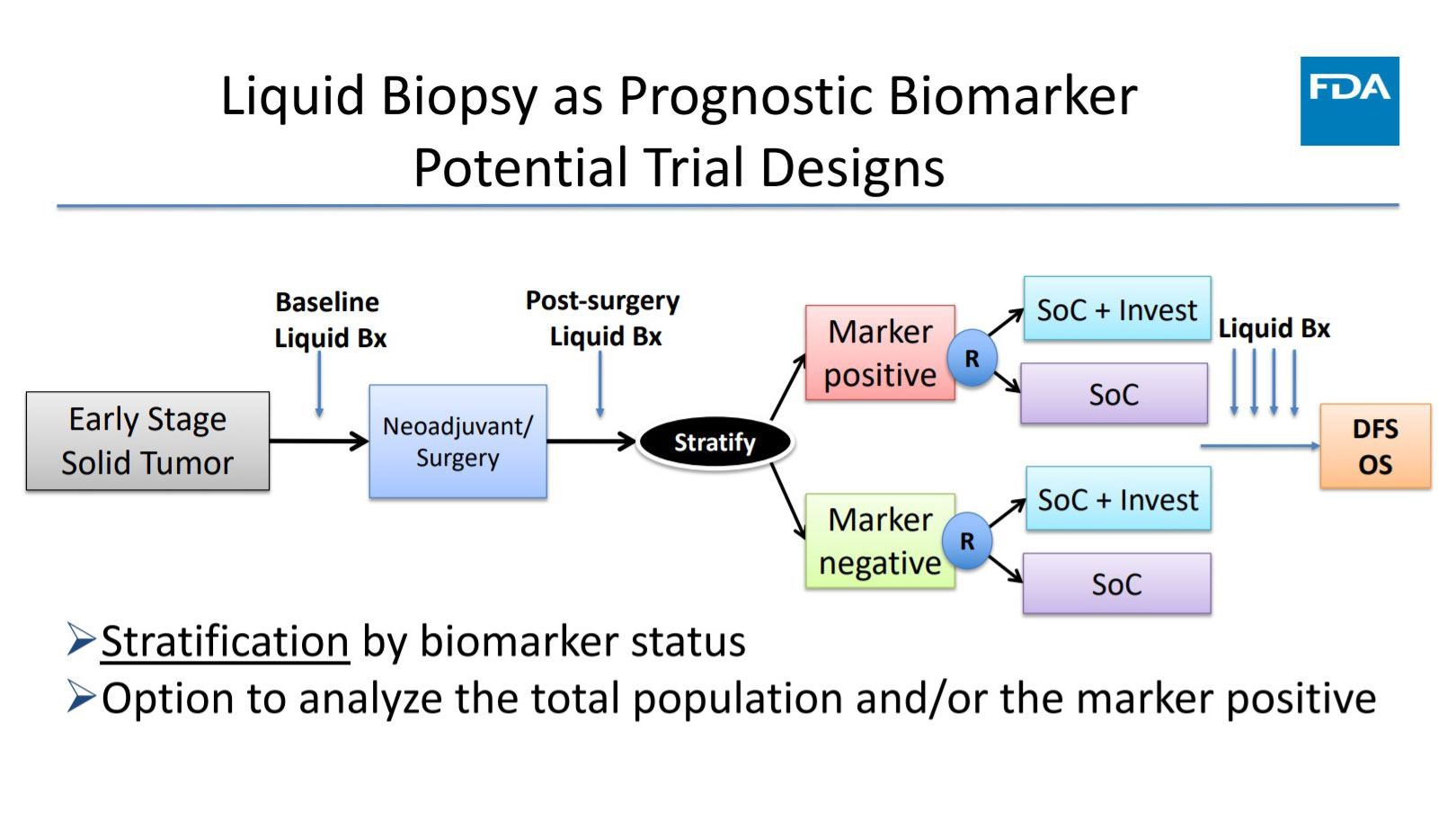
FDA Perspectives on the Use of Liquid Biopsy in NSCLC
The US Food and Drug Administration (FDA) recognizes the value of liquid biopsy in managing patients with cancer, and the agency is actively working to bring these assays to the clinic. Harpreet Singh, MD, Director of the Division of Oncology 2, shed light on past FDA efforts related to approval of liquid biopsy technologies as well as those currently underway. “Liquid biopsies for cancer require close interaction between the oncologist…
-

Stage IIIA NSCLC: A Review of Recent and Ongoing Trials
Trial data can help inform change to standard of care, but at what point do we say enough data is enough and move forward with combination therapy as the new standard of care?
-

Multidisciplinary Tumor Board: A Single Institution’s Perspective
As 7:00 AM approaches, the ninth-floor conference room slowly fills as team members fi le in and find their seats. The senior radiation oncologist identifies his seat in the front row, carefully placing his stack of index cards on the table before him, each identifying a patient’s pertinent history and treatment plan. Soon the room is packed with nurse navigators, clinical research coordinators, residents, fellows, medical…
-
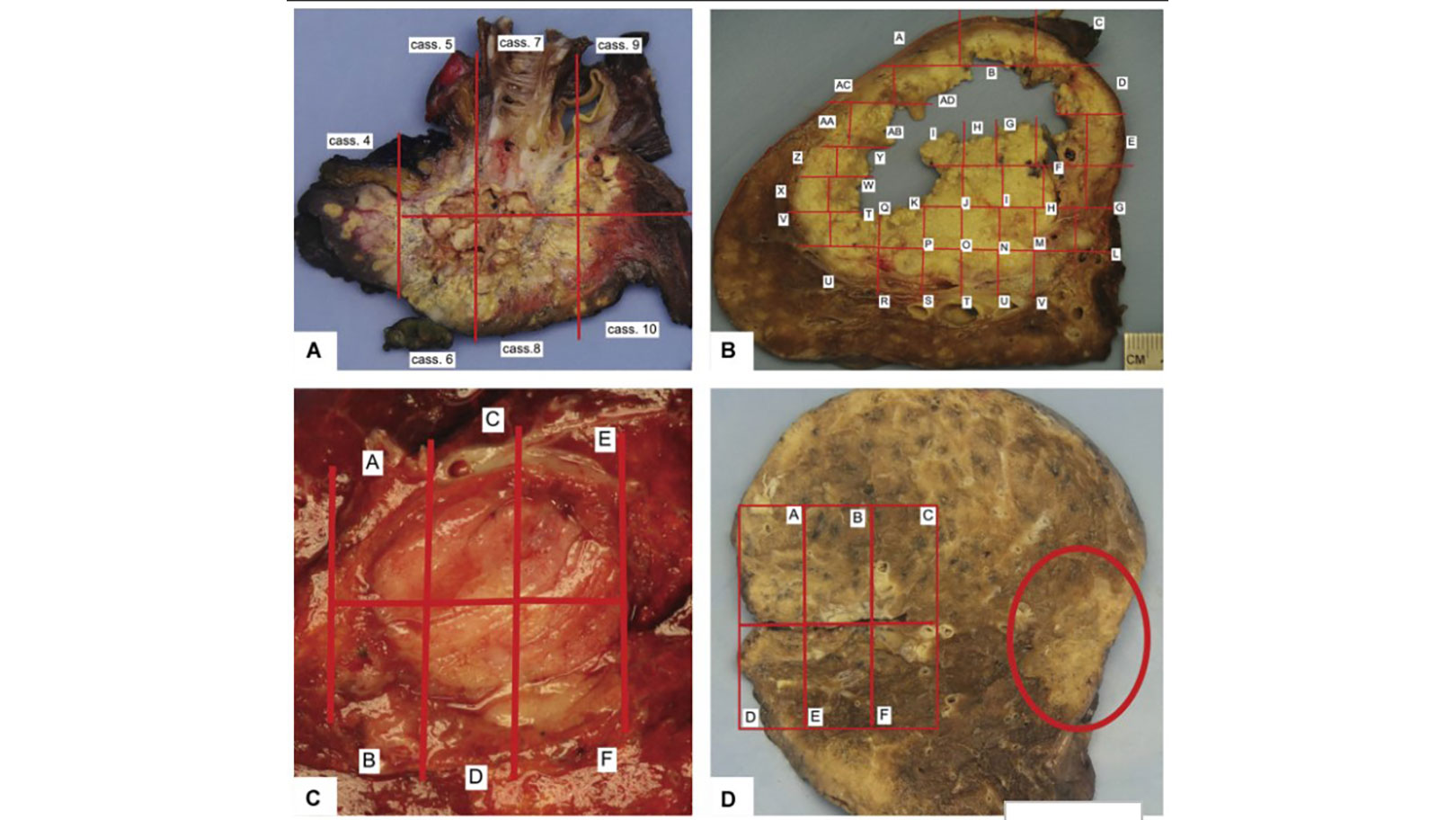
IASLC Multidisciplinary Recommendations for Pathologic Assessment of Lung Cancer Resection Specimens Following Neoadjuvant Therapies
Treatment guidelines recommend neoadjuvant or adjuvant therapies with surgery for patients with large primary tumors or clinical evidence of intrathoracic nodal spread.1,2 A recent joint IASLC–U.S. Food and Drug Administration workshop identified many advantages to the neoadjuvant approach.3 Pathologic response after neoadjuvant therapies in resection specimens can serve as a surrogate endpoint for PFS and…
-

Can We Use the Word ‘Cure’ for a Subset of Selected Patients With Advanced NSCLC?
By Karen L. Reckamp, MD When advanced NSCLC is diagnosed, the word “cure” is avoided; we focus on palliation of symptoms with prolonged survival. Unfortunately, there are more than 200,000 cases of lung cancer estimated for 2020, which will cause more deaths than breast, prostate, colorectal, and brain cancers combined.1 However, recent statistics have demonstrated…
-

Immune Checkpoint Inhibitors Have Led to Substantial Improvements in Lung Cancer but Are Still Not a ‘Cure’
By Edward B. Garon, MD Immune checkpoint inhibitors have dramatically changed the treatment of patients with lung cancer. The degree of efficacy seen with these agents would have been nearly unimaginable a decade ago. We now have long term follow-up data demonstrating that a substantial percentage of patients are alive 5 years or more after…
-
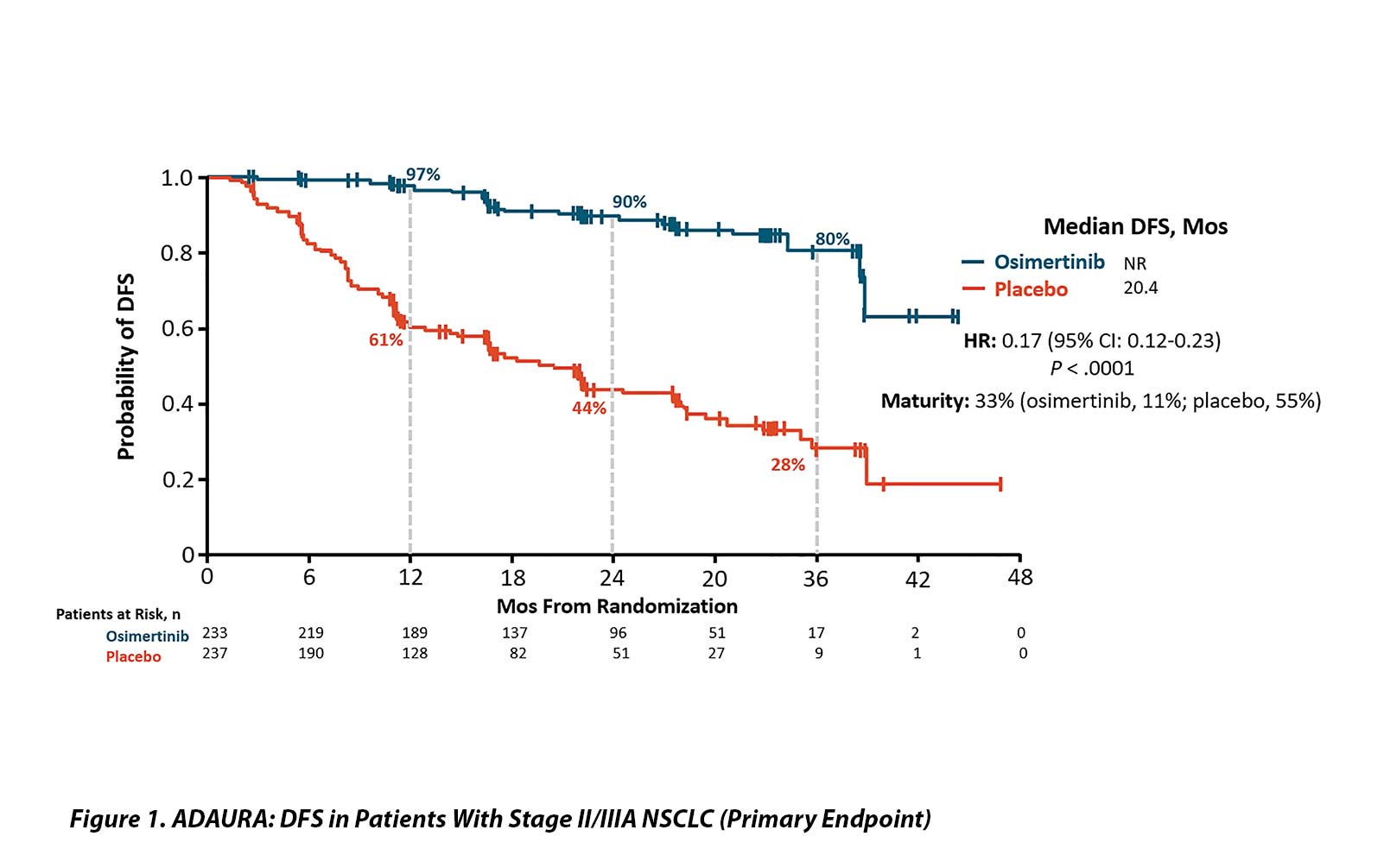
An Early Look at Adjuvant Osimertinib Shows a Dramatic Improvement in Disease-Free Survival
By Mary Jo Fidler, MD Posted: August 21, 2020 At the American Society of Clinical Oncology (ASCO) 2020 Virtual Scientific Program Plenary Session, an early look at data from the ADAURA trial revealed very promising results.1 This phase III randomized trial in patients with resected EGFR-mutated NSCLC compared post-operative osimertinib to placebo for stage IB-IIIA…
-

Patient Perspectives on Telehealth During COVID-19: Balancing Fear, Self-Advocacy
By Jennifer Byrne Posted: August 21, 2020 For nearly 2 decades, Bonnie Anderson has defied incredible odds in the face of mesothelioma, hairy cell leukemia, breast cancer, lung cancer, and kidney cancer. “Since they can’t do anything about the mesothelioma or the kidneys or any of the tumors, I’m pretty much out of options until…
-

Pembrolizumab Considered for Second Tissue-Agnostic Cancer Indication
By Erik MacLaren, PhD Posted: August 21, 2020 The U.S. Food and Drug Administration (FDA) has granted accelerated approval to Merck’s immune checkpoint inhibitor pembrolizumab, adding a new tissue-agnostic indication for patients, including children, who have solid tumors with a tumor mutational burden (TMB) of 10 or more mutations per megabase of DNA.1 The new…
View ILCN Archives
Provider Resources
Popular Articles