
ILCN Lung Cancer News


  • PET vs. CT in Lung Cancer Surveillance: The ‘Pro’ Side from the Nuclear Medicine
            Perspective

    PET vs. CT in Lung Cancer Surveillance: The ‘Pro’ Side from the Nuclear Medicine Perspective

    Radiation Oncology

    A significant proportion of patients with stage I to III NSCLC or SCLC will have locoregional or distant metastases following curative-intent therapy. Studies have reported local recurrence rates of 22% to 50%, distant recurrence rates of 48% to 78%, and simultaneous local and distant recurrence rates of 3% to 20%.1 Sites of distant recurrence include…


  • Patient Perspectives on CT and PET Scans: Imaging Technology Provides Different Benefits, Drawbacks for
            Each Individual Patient

    Patient Perspectives on CT and PET Scans: Imaging Technology Provides Different Benefits, Drawbacks for Each Individual Patient

    Ivy Elkins, MBA, et al.
    Radiation Oncology

    For patients with metastatic lung cancer, frequent scans are a stark reality of living with cancer. Although most scans happen every 3 months, some clinical trials require scans more often as part of the trial’s protocol. As patients, we obviously want to know what is happening with our cancer and when to adjust our treatment…


  • Mutation or Amplification: Who MET the Expectations?

    Mutation or Amplification: Who MET the Expectations?

    Daniele Marinelli, MD, et al.
    Systemic, Targeted, & Immune Therapies

    Identification of driver oncogenes in NSCLC is leading the method for accurate patient selection and proper targeting of actionable alterations. Several molecular events have been described, and different biomarkers are now incorporated in clinical practice, with MET as one of the latest.  Proto-oncogene MET is a tyrosine kinase transmembrane receptor for hepatocyte growth factor; it…


  • Large LDCT Lung Cancer Screening Program Suggests Screening Benefits Far Outweigh the Risks

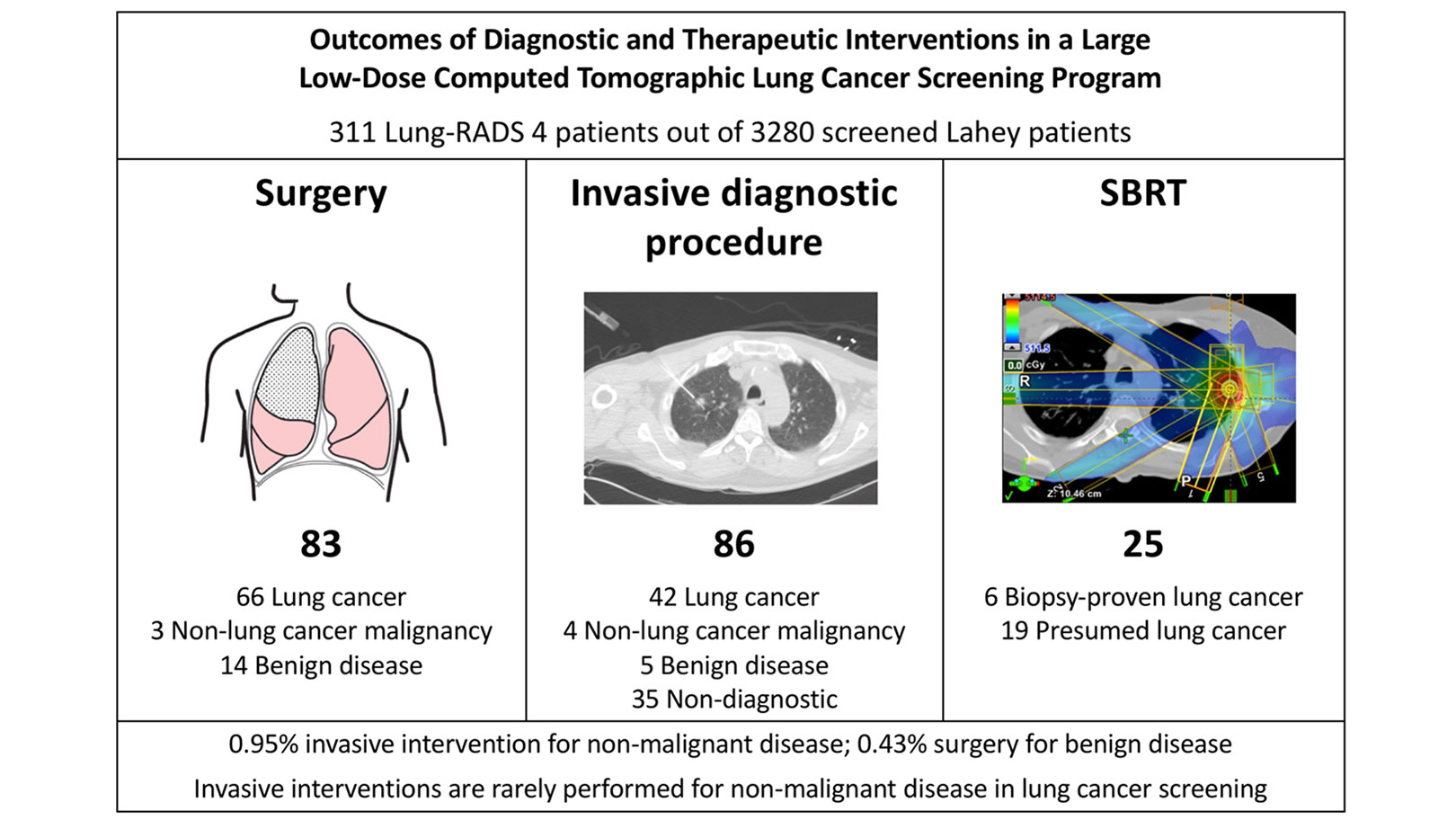
    Large LDCT Lung Cancer Screening Program Suggests Screening Benefits Far Outweigh the Risks

    Evolving Standards of Care

    Lung cancer screening saves lives. This once controversial statement has now been validated in recent large, randomized trials of low-dose computed tomographic (LDCT) lung cancer screening (LCS) including the National Lung Screening Trial (NLST)1 and the Dutch-Belgian Lung Cancer Screening Trial.2 However, widespread implementation of LCS has been limited. In the United States, screening rates…


  • FDG PET–CT Versus CT for Lung Cancer Surveillance: The "Con" Side

    FDG PET–CT Versus CT for Lung Cancer Surveillance: The "Con" Side

    Radiation Oncology

    Lung cancer remains the leading cause of cancer-related deaths.1 Advances in early detection of lung cancer following the implementation of screening programs and the availability of newer therapies have increased the number of patients treated with curative intent. Proportionally, lung cancer surveillance after curative therapy is also growing. It is imperative now more than ever…


  • Possible Benefits of Metformin for Lung Cancer Still Unknown

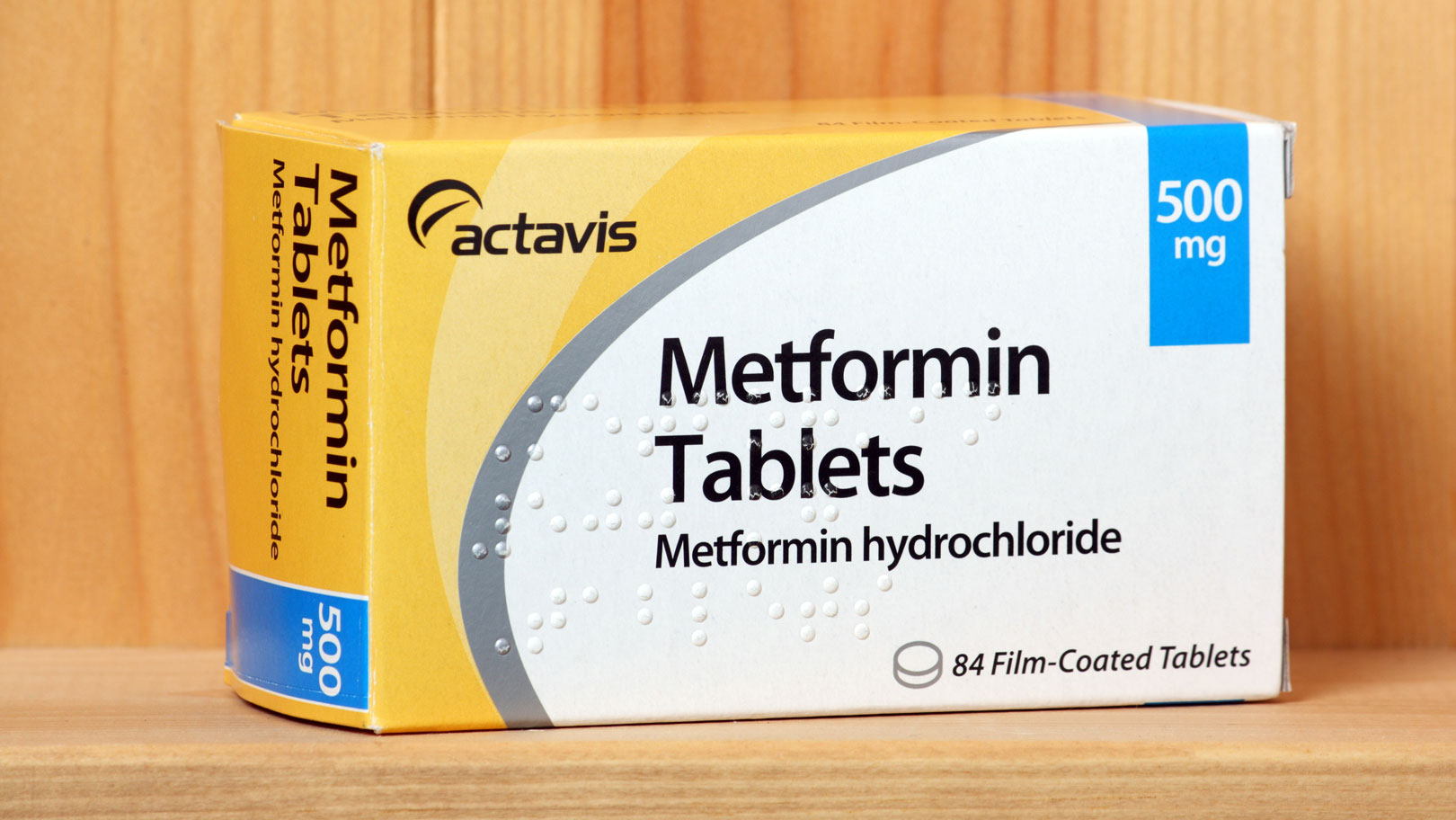
    Possible Benefits of Metformin for Lung Cancer Still Unknown

    Evolving Standards of Care

    Ben Levy, MD When it comes to the use of metformin as a treatment for lung cancer, the jury is still out on its potential. “Metformin’s utility as an anticancer drug is still being investigated,” said Benjamin Levy, MD, clinical director of medical oncology, Johns Hopkins Sidney Kimmel Cancer Center at Sibley Memorial Hospital. “There…


  • RET Therapy for NSCLC, a New Generation of Inhibitors

    RET Therapy for NSCLC, a New Generation of Inhibitors

    Systemic, Targeted, & Immune Therapies

    Therapies for NSCLC have evolved over the past 2 decades to account for the specific biology of the tumor and have improved outcomes for a multitude of patients. Discovery of activating mutations in the EGFR gene initiated the transition toward our understanding of driver mutations and the value of targeted therapy in subsets of patients…


  • Tyrosine kinase inhibitors (TKI) or monoclonal antibodies (mAb) for the Treatment of NRG1 and,
            Potentially, NRG2 Fusion–Positive Malignancies

    Tyrosine kinase inhibitors (TKI) or monoclonal antibodies (mAb) for the Treatment of NRG1 and, Potentially, NRG2 Fusion–Positive Malignancies

    Misako Nagasaka, et al.
    Evolving Standards of Care

    When patients with advanced metastatic NSCLC initially make their way into our medical oncology clinic, one of the first things we check for is the molecular pathology testing report, in addition to the patient’s PD-L1 score. At the very least, NCCN guidelines recommend testing for EGFR mutations (canonical, uncommon [G719X, S768I, L861Q], and exon 20…


  • Vemurafenib Alone and Combination for Lung Cancer: A Conversation with Marcelo V. Negrao, MD

    Vemurafenib Alone and Combination for Lung Cancer: A Conversation with Marcelo V. Negrao, MD

    Evolving Standards of Care

    Dr. Negrao is an assistant professor in the Department of Thoracic/Head and Neck Medical Oncology, Division of Cancer Medicine, MD Anderson Cancer Center. Dr. Negrao has a diverse experience in medical oncology, specializing in the diagnosis and treatment of thoracic malignancies, most notably lung cancer. Q. Can you describe the mechanism of action of vemurafenib?…


  • Patient Advocacy Groups Fund EGFR-related Research

    Patient Advocacy Groups Fund EGFR-related Research

    Names & News

    Christine Lovly, MD, PhD Christine Lovly, MD, PhD, and Helena Yu, MD, have been awarded the 2021 EGFR Resisters/LUNGevity Lung Cancer Research Award. Each award totals $200,000 for a two-year term, with funding raised by the more than 2,500 members of the EGFR Resisters, a biomarker-specific patient group that spans 75 countries. Dr. Lovly, an…