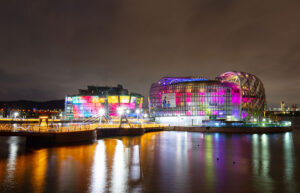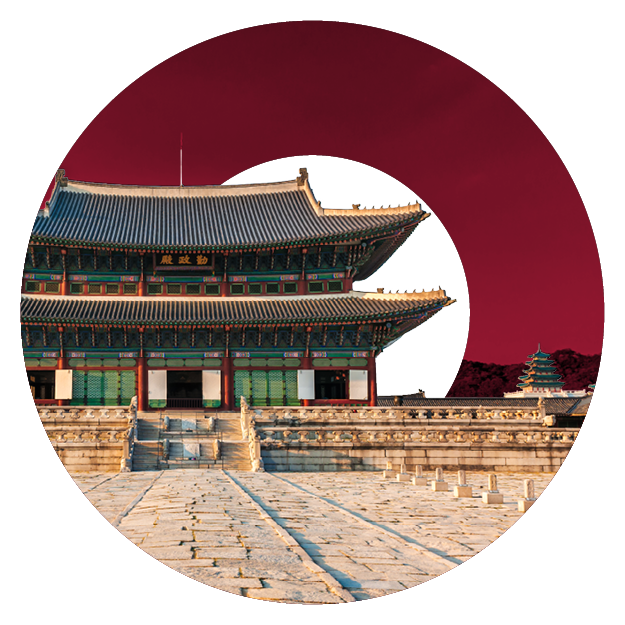
Seoul is widely recognized as one of the world’s most technologically advanced cities. The city is a powerhouse for medical advancements, particularly in cancer treatment, making it an ideal backdrop for the 2026 World Conference on Lung Cancer (WCLC).
Before attendees gather at the COEX Convention Center, Karen Kelly, MD, IASLC CEO, shared what she is looking forward to at WCLC 2026, including new session formats and IASLC initiatives making their debut in Seoul.
ILCN: What sessions or events are you most looking forward to at WCLC 2026?
Dr. Kelly: This is always a challenging question because there is so much new data in thoracic malignancies that will be presented.
I am looking forward to the Opening Plenary session because it sets an inspirational stage for the entire conference. We have an excellent lineup of speakers, including a Korean patient to remind us why we do what we do and a closing presentation on survivorship. In the past, we haven’t had opportunities to talk about survivorship in a meaningful way, but now, thanks to therapeutic advances resulting in our patients living longer, survivorship care and research are emerging.
I am very excited about the two presidential symposiums that include practice-changing presentations. We work hard to ensure the presentations include a variety of disciplines and that the discussants represent IASLC’s diverse membership. I feel our audience appreciates this.
I am also looking forward to several hands-on workshops. This year, we have more than we’ve had in the past, and once again, they represent multiple disciplines. The workshops cover topics such as wearable devices, re-irradiation, robotics, navigational bronchoscopy, and practical skills for smoking cessation.
We have increased the number of educational interactive sessions based on input from attendees who completed our post-meeting surveys. I have encouraged session chairs and speakers to be bold and creative with their formats, and I look forward to attending these sessions.
Additionally, we have more sessions with our partner societies from around the world than ever before, showing that IASLC values its like-minded partnerships.
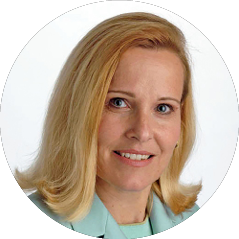
“When we come together globally—and especially when we include our partner societies from around the world—it provides us with a broader opportunity to understand the challenges and opportunities we face, and together I know we can find solutions.”
– IASLC CEO Karen Kelly, MD
ILCN: How will this year’s programming reflect some of the most pressing challenges and recent advances in thoracic oncology?
Dr. Kelly: When we come together globally—and especially when we include our partner societies from around the world—it provides us with a broader opportunity to understand the challenges and opportunities we face, and together I know we can find solutions.
I am very proud that, as one global thoracic oncology community, we have created a Global Council within the IASLC to better serve us, strengthen collaboration, elevate country perspectives, and further advance the IASLC’s mission to conquer thoracic cancers worldwide.
Country delegates from the initial phase of the Global Council will meet at WCLC with IASLC board members. By the end of the year, all countries will have an opportunity to participate. We aim to hold the Global Council meeting every 6 months to continuously address pressing challenges, advances, and best practices. More detailed information about the Global Council will be available at WCLC.
ILCN: Are there any other new initiatives or session formats you would like to highlight?
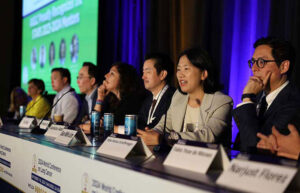
Dr. Kelly: For the first time, we are live-streaming the entire conference, allowing our virtual attendees to fully participate, including in our interactive sessions. We want our virtual attendees to feel as if they are sitting in the room with everyone.
We are piloting real-time language translation for all sessions. Language is the number one barrier we have as a global organization. We’re excited about what it can mean for accessibility and enhanced global participation.
Another new initiative in our networking portfolio will be lunch meetups for specific disciplines. We recognize that fields such as nursing and allied health, radiology, radiation oncology, and translational/basic science are sometimes smaller in number at WCLC and may not always receive as much visibility or networking opportunities as larger groups.
To strengthen our commitment to these disciplines, we are implementing structured lunch meetups to make it easier for members from these fields to meet colleagues from around the world. These gatherings aim to spark new collaborations and conversations, with the hope that those connections extend beyond the conference. Please look for them in the program book.
ILCN: What advice would you give to first-time attendees to help them get the most out of the meeting?
Dr. Kelly: For first-time attendees, review the program in advance and plan your schedule accordingly. Mark or flag the sessions as “must-attend” and “nice-to-attend” sessions. I do this myself for every meeting I attend. It makes my meeting time more efficient and less stressful.
I also suggest that attendees take advantage of two key features: the LED wall and on-demand access. We have a large LED wall that displays all ongoing sessions. You can stay seated and switch between sessions virtually, rather than physically running from room to room. This is especially helpful when several overlapping talks interest you. If you cannot attend a session live, you can watch it later through on-demand access. This option can help alleviate the pressure of feeling like you need to be in multiple places at once.
So, between careful planning, the LED wall, and the ability to watch sessions later, first-time—and all—attendees have multiple ways to manage their time and ensure they get all the information they need without feeling overwhelmed.