




-
Interim NADIM ADJUVANT Data Suggest Adjuvant Chemo-IO May Reduce Recurrence Risk in Patients Following Complete Resection
-
Final FLAURA2 OS Data Show Osimertinib Plus Chemo Offers Benefit Compared with Monotherapy
-
Potential Impact of GLP1-RAs on TKI-induced Weight Gain in Patients with NSCLC
-
No “Known” Risk Factors: The Health Consequences of Radiation Therapy
-
Discussion Covered Updates, Strategies, and Controversies in Lung Cancer Staging
-
No PFS, OS Benefit Seen in Final Results from PACIFIC-2
-
WCLC Attendees Hear Preview of Proposed Changes for the 9th Edition of the TNM Staging Classification for Thoracic Cancers
-
Treatment of Immunotherapy-Related Dermatologic Toxicities: An Interview with Dr. Mario Lacouture
-
A Holistic Approach to Patient Care
Sign up for news updates
Meeting News
-
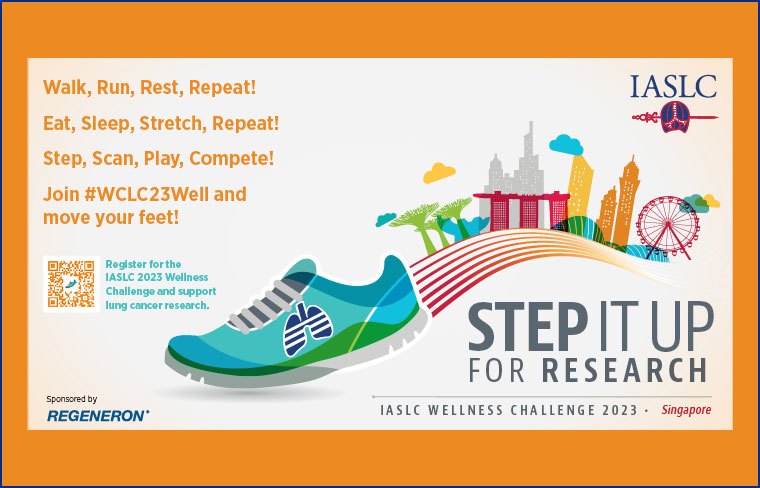
Wellness Challenge to Return for WCLC 2023
Stay active during your time in Singapore by taking part in IASLC’s annual wellness challenge, Step It Up For Research.
-
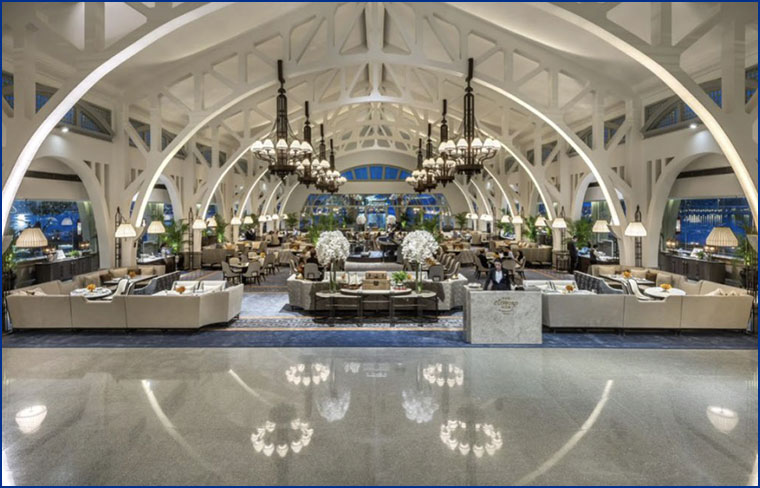
Pack Your Party Clothes for the IASLC Foundation Benefit Supporting Early Career Researchers
While in Singapore, plan to join your colleagues at the historic Clifford Pier for an evening of food, drink, and entertainment while raising funds for lung cancer research.
-
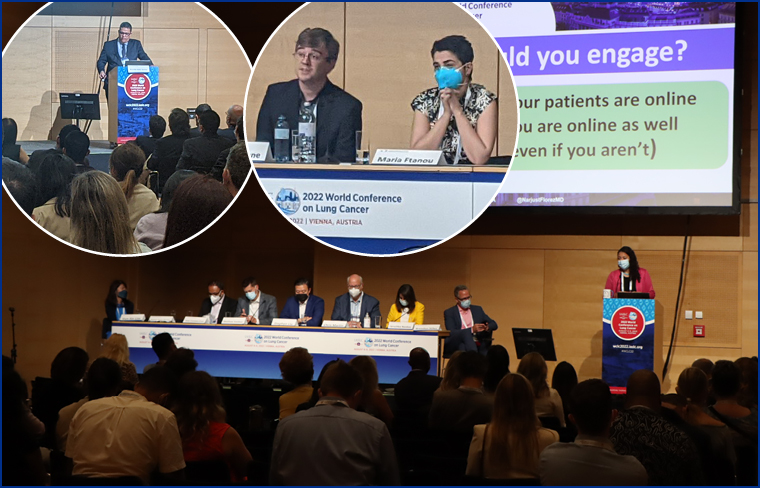
Opening Day Workshops Offer Niche Audiences Interactions with Experts, Thought Leaders
From opportunities specifically for first-time attendees or allied health professionals to sessions focused on communication skills or Latin America, the first day of WCLC 2023 has something for everyone.
-
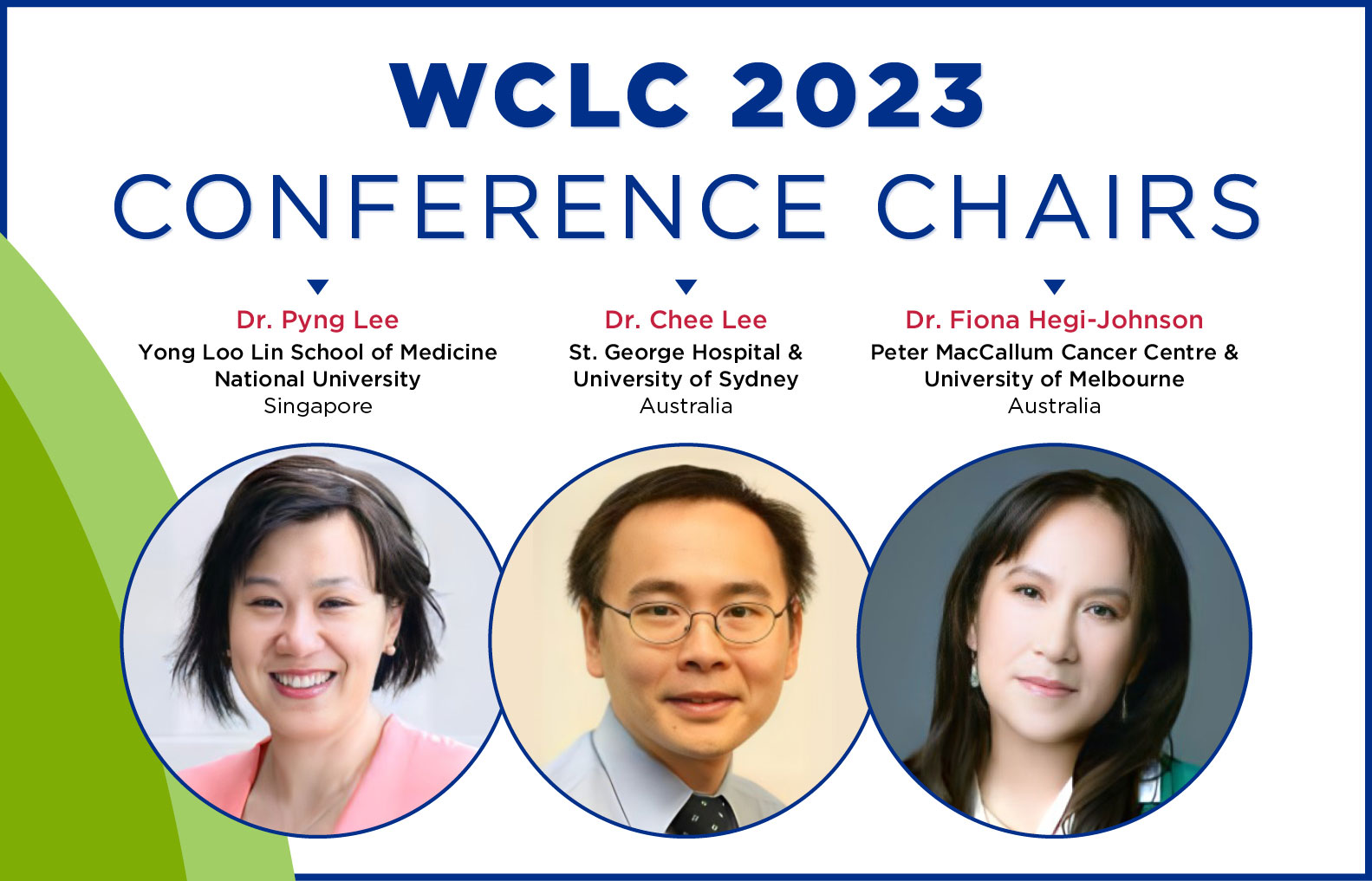
Program Covers Broad Spectrum of Topics in Thoracic Oncology
The chairs of WCLC 2023 say this year’s program offers something for everyone, including practice-changing clinical trial data and innovative basic science as well as presentations to address broader needs within the profession.
-
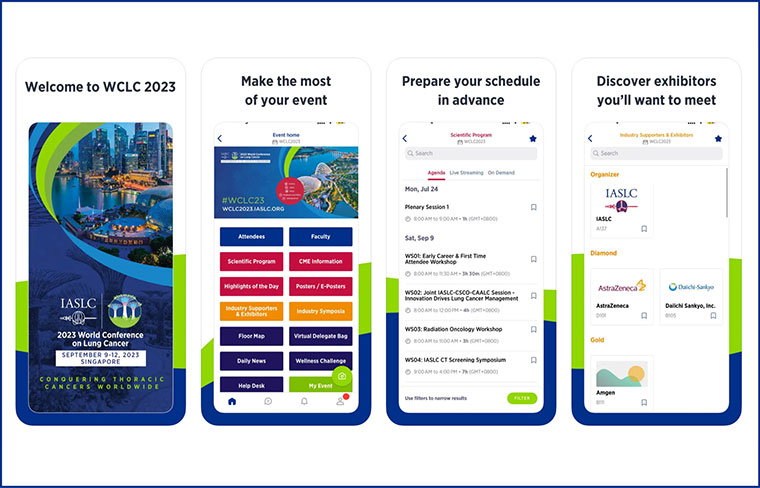
Make the Most of WCLC 2023: Mobile App Launches August 31
Whether you are attending in-person or virtually, the conference app will help you navigate the meeting and connect with your colleagues from around the globe.
-

Know Before You Go: Getting To—And Around—Singapore
Before you pack your bags, make sure you know everything you will need to get to the 2023 World Conference on Lung Cancer without delay.
-
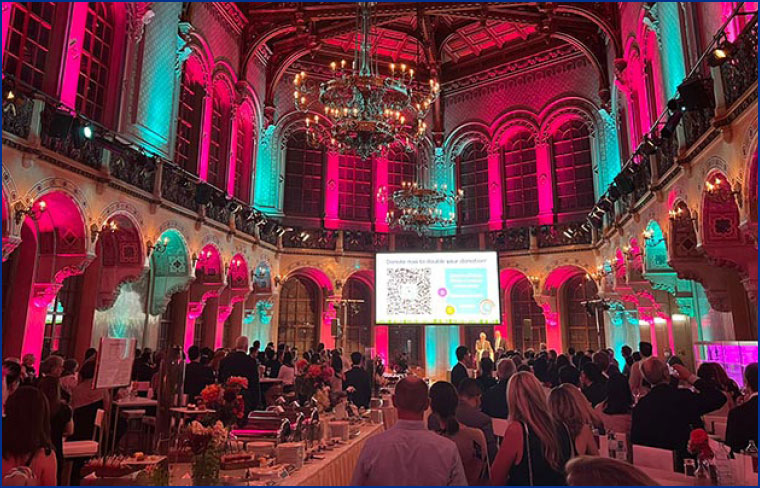
Order Tickets for Special Events Today
As you plan your WCLC 2023 itinerary, don’t miss an important session on your list because you don’t have a ticket. Review the ticketed events schedule and be sure you have any tickets you will need.
-
In Brief for July 26, 2023
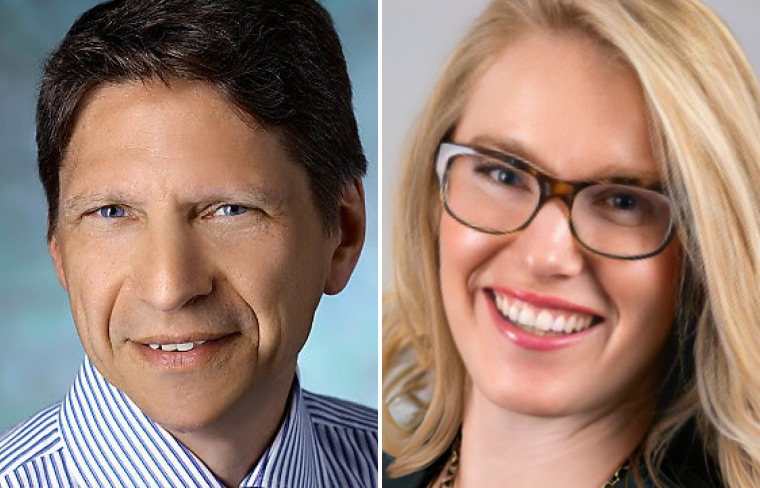
IASLC Hot Topic meeting to feature keynote address on resistance to immunotherapy by Dr. Drew Pardoll. Lung Cancer Research Foundation announces appointment of new executive director Aubrey Rhodes.
-
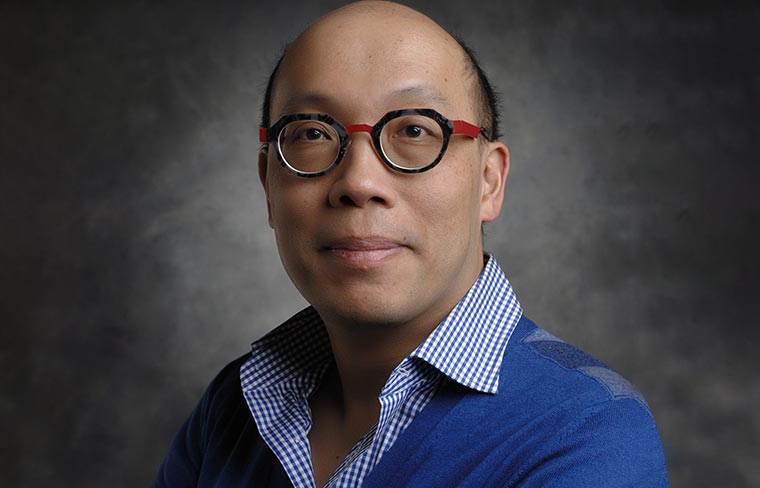
Adding Pembrolizumab to Platinum and Pemetrexed Improves OS in Treatment-Naive MPM
Dr. Quincy Chu recently shared results from the phase III IND227 trial, which also demonstrated improved progression-free survival in mesothelioma patients who received the combination compared to those who received standard chemotherapy alone.
-
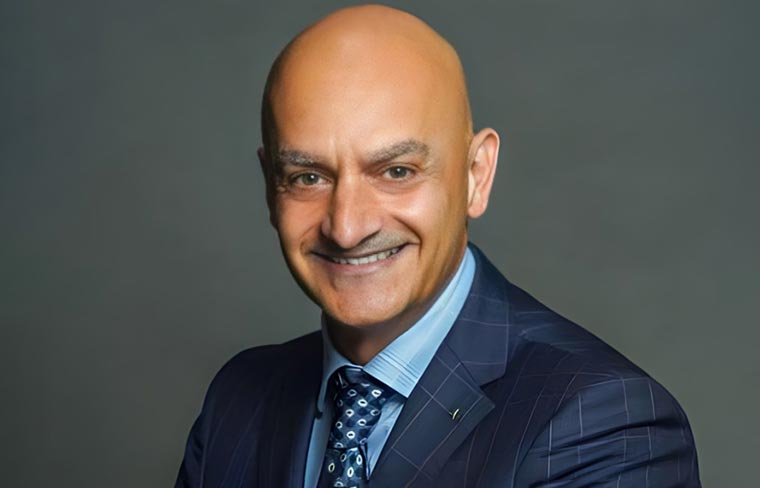
Exploratory IMpower010 Analysis Shows Surgery Type Associated with Favorable DFS, OS Results
In stage II-IIIA NSCLC patients with high PD-L1 expression, the benefits of atezolizumab and platinum-based chemotherapy after surgical resection appeared to be most prominent in the lobectomy subgroup according to Dr. Alessandro Brunelli and colleagues.
View ILCN Archives
Provider Resources
Popular Articles