




-
Interim NADIM ADJUVANT Data Suggest Adjuvant Chemo-IO May Reduce Recurrence Risk in Patients Following Complete Resection
-
Final FLAURA2 OS Data Show Osimertinib Plus Chemo Offers Benefit Compared with Monotherapy
-
Potential Impact of GLP1-RAs on TKI-induced Weight Gain in Patients with NSCLC
-
No “Known” Risk Factors: The Health Consequences of Radiation Therapy
-
Discussion Covered Updates, Strategies, and Controversies in Lung Cancer Staging
-
No PFS, OS Benefit Seen in Final Results from PACIFIC-2
-
WCLC Attendees Hear Preview of Proposed Changes for the 9th Edition of the TNM Staging Classification for Thoracic Cancers
-
Treatment of Immunotherapy-Related Dermatologic Toxicities: An Interview with Dr. Mario Lacouture
-
A Holistic Approach to Patient Care
Sign up for news updates
SCLC/NET
-

Dose Escalation Trial Yields Encouraging Results for SCLC With DLL3 Expression
Dr. Julien Mazières reported that while obrixtamig plus ezabenlimab showed encouraging responses at the clinically effective dose, efficacy peaked at the highest dose, reaching an ORR of 58% and a DCR of 83%.
-

Stereotactic Radiosurgery for Established Brain Metastases: Prospective Evidence
In the conclusion of this two-part series, Drs. Tomasik and Dziadziuszko highlight unresolved questions and future directions for integrating HA-PCI and SRS into practice for SCLC.
-
Modern Brain Radiotherapy in SCLC: Integrating Hippocampal Avoidance and Stereotactic Precision
Drs. Tomasik and Dziadziuszko discuss how the SCLC field is shifting toward brain-sparing techniques to maximize disease control, as well as cognitive preservation.
-

Tarlatamab With Anti-PD-L1 Demonstrates OS Benefit as First-Line Maintenance Therapy After Chemo-IO in ES-SCLC
Lead investigator Dr. Kelly Paulson said the combination demonstrated unprecedented overall survival with a manageable safety profile in this patient population.
-
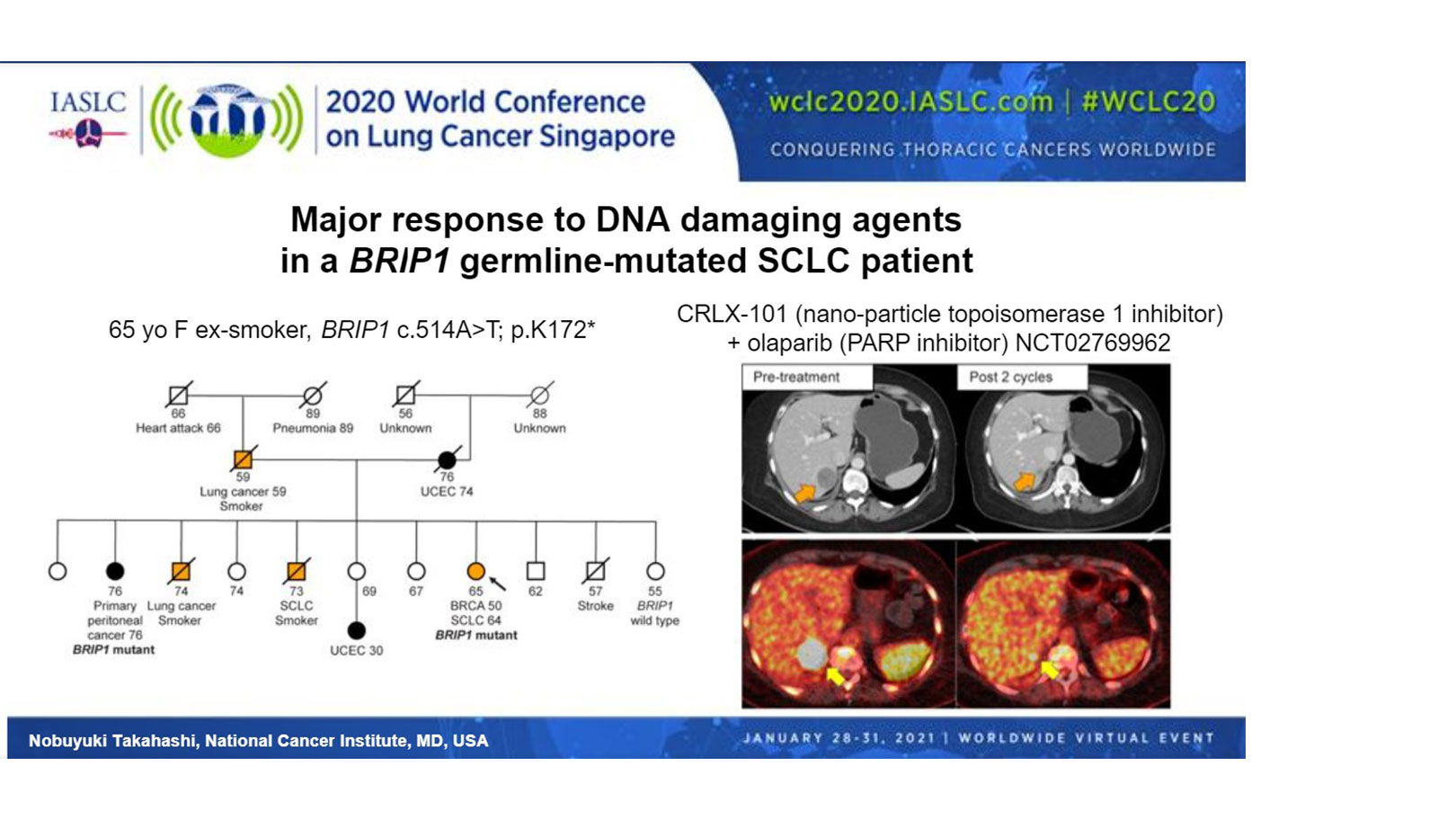
Hereditary Predisposition Plays a Larger Role in SCLC Development Than Previously Recognized and May Inform Personalized Treatment
Whole-exome sequencing reveals that almost half of all patients with small cell lung cancer (SCLC) have a deleterious germline mutation which may be associated with the development of their disease (Abstract OA11.05). Moreover, these mutations could lend themselves to targeted therapy and screening in about 10% of individuals—a treatment approach for SCLC that has remained…
-
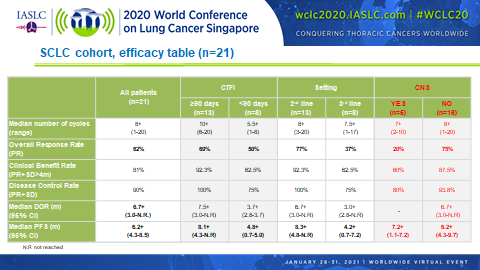
Promising Results for Lurbinectedin in SCLC When Paired with Irinotecan
Combined treatment with lurbinectedin and irinotecan appears to pack quite a punch in patients with relapsed small cell lung cancer (SCLC) according to the results of a phase Ib/II trial (Abstract OA11.04). The overall response rate (ORR) among 21 patients who had received up to 2 prior lines of treatment reached 62% overall, with a…
View ILCN Archives
Provider Resources
Popular Articles