




-
Interim NADIM ADJUVANT Data Suggest Adjuvant Chemo-IO May Reduce Recurrence Risk in Patients Following Complete Resection
-
Final FLAURA2 OS Data Show Osimertinib Plus Chemo Offers Benefit Compared with Monotherapy
-
Potential Impact of GLP1-RAs on TKI-induced Weight Gain in Patients with NSCLC
-
No “Known” Risk Factors: The Health Consequences of Radiation Therapy
-
Discussion Covered Updates, Strategies, and Controversies in Lung Cancer Staging
-
No PFS, OS Benefit Seen in Final Results from PACIFIC-2
-
WCLC Attendees Hear Preview of Proposed Changes for the 9th Edition of the TNM Staging Classification for Thoracic Cancers
-
Treatment of Immunotherapy-Related Dermatologic Toxicities: An Interview with Dr. Mario Lacouture
-
A Holistic Approach to Patient Care
Sign up for news updates
Evolving Standards of Care
-

COVID-19 and Lung Cancer: A Call for Immediate Action
The COVID-19 pandemic has had a devastating effect on lung cancer outcomes in the United Kingdom (UK). Fewer people have presented or have been referred for investigation, and those who do present have a more unfavorable stage. In October 2020, the Lung Cancer Coalition (UKLCC) published a report setting out a number of recommendations for…
-

A Clinical Trial of PD-L1 Inhibitor Durvalumab and PARP Inhibitor Olaparib for Patients With EGFR-Mutated Transformed SCLC
Discovery of targetable genomic alterations, including mutations of EGFR, have resulted in improved survival for patients with non-small cell lung cancer (NSCLC).1 Although many patients experience robust responses to EGFR-targeted therapy, acquired drug resistance is almost inevitable. Small cell lung cancer (SCLC) transformation as a mechanism of acquired resistance is reported in up to 14%…
-
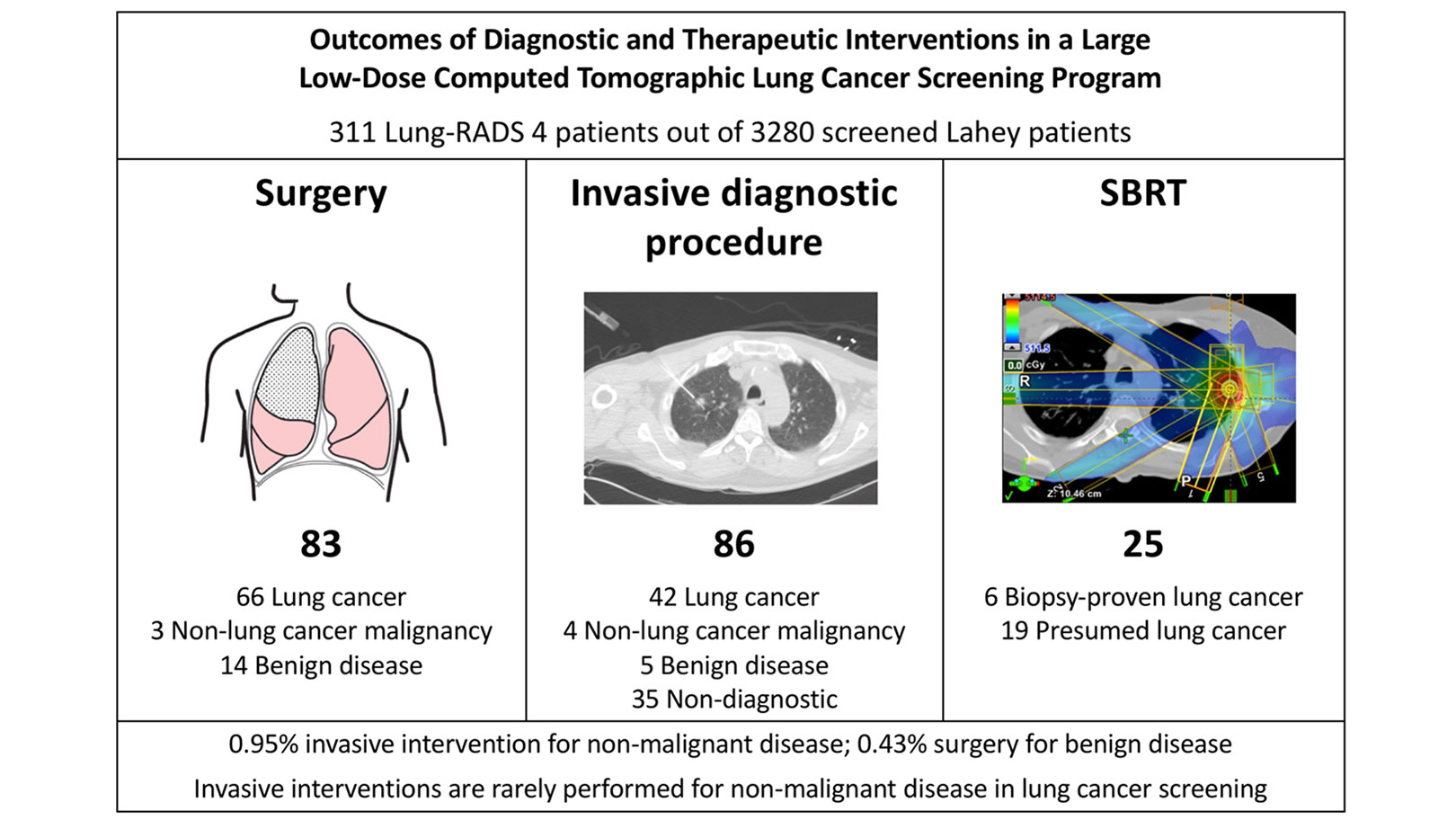
Large LDCT Lung Cancer Screening Program Suggests Screening Benefits Far Outweigh the Risks
Lung cancer screening saves lives. This once controversial statement has now been validated in recent large, randomized trials of low-dose computed tomographic (LDCT) lung cancer screening (LCS) including the National Lung Screening Trial (NLST)1 and the Dutch-Belgian Lung Cancer Screening Trial.2 However, widespread implementation of LCS has been limited. In the United States, screening rates…
-
Possible Benefits of Metformin for Lung Cancer Still Unknown
Ben Levy, MD When it comes to the use of metformin as a treatment for lung cancer, the jury is still out on its potential. “Metformin’s utility as an anticancer drug is still being investigated,” said Benjamin Levy, MD, clinical director of medical oncology, Johns Hopkins Sidney Kimmel Cancer Center at Sibley Memorial Hospital. “There…
-

Tyrosine kinase inhibitors (TKI) or monoclonal antibodies (mAb) for the Treatment of NRG1 and, Potentially, NRG2 Fusion–Positive Malignancies
When patients with advanced metastatic NSCLC initially make their way into our medical oncology clinic, one of the first things we check for is the molecular pathology testing report, in addition to the patient’s PD-L1 score. At the very least, NCCN guidelines recommend testing for EGFR mutations (canonical, uncommon [G719X, S768I, L861Q], and exon 20…
-

Vemurafenib Alone and Combination for Lung Cancer: A Conversation with Marcelo V. Negrao, MD
Dr. Negrao is an assistant professor in the Department of Thoracic/Head and Neck Medical Oncology, Division of Cancer Medicine, MD Anderson Cancer Center. Dr. Negrao has a diverse experience in medical oncology, specializing in the diagnosis and treatment of thoracic malignancies, most notably lung cancer. Q. Can you describe the mechanism of action of vemurafenib?…
-

Premonitions About Lung Cancer for the Next Decade
Daniel Kahneman, PhD, was awarded the Nobel Prize in 2002 for proving, among other things, that intuitions—even expert ones—fail and that formulas based on data fare better. Intuitions are more reliable for short-term predictions if they are based on stable environments.1 For decades, we have had a relatively stable environment in the prevention, diagnosis, and…
-

Pyrotinib: A Potential New Anti-HER2 Therapy for Lung Cancer
HER2 can be aberrantly expressed in NSCLC, caused by its mutation and/or amplification.1 Like in breast cancer, patients with NSCLC with somatic HER2 mutations rarely show concurrent gene amplification, highlighting mutation as an independent factor.2 However, previous clinical trials with HER2-targeted agents have yielded disappointing results in HER2-mutant NSCLC. Although only accounting for a minority…
-

Liquid Biopsy: The Key Weapon for Real-Time Monitoring of Patients With NSCLC
Tissue still represents the “gold standard” biosource for molecular profiling of lung cancer. However, the use of tissue samples in clinical practice is associated with several technical and biological limitations. For instance, tissue specimens can provide only a small picture of the complex molecular landscape of patients with lung cancer, freezing the situation at the…
-

PD-L1 Blockade Reinvigorates Dendritic Cells for Antitumor Immunity
In reference to: Mayoux M, Roller A, Pulko V, et al. Dendritic cells dictate responses to PD-L1 blockade cancer immunotherapy. Sci Transl Med. 2020;12(534):eaav7431. Checkpoint blockade with PD-1 or PD-L1 inhibitors has shown durable clinical responses across many cancer types. Previously, it had been generally believed that PD-1/PD-L1 blockade generates antitumor immunity by reinvigorating the…
View ILCN Archives
Provider Resources
Popular Articles