




-
Interim NADIM ADJUVANT Data Suggest Adjuvant Chemo-IO May Reduce Recurrence Risk in Patients Following Complete Resection
-
Final FLAURA2 OS Data Show Osimertinib Plus Chemo Offers Benefit Compared with Monotherapy
-
Potential Impact of GLP1-RAs on TKI-induced Weight Gain in Patients with NSCLC
-
No “Known” Risk Factors: The Health Consequences of Radiation Therapy
-
Discussion Covered Updates, Strategies, and Controversies in Lung Cancer Staging
-
No PFS, OS Benefit Seen in Final Results from PACIFIC-2
-
WCLC Attendees Hear Preview of Proposed Changes for the 9th Edition of the TNM Staging Classification for Thoracic Cancers
-
Treatment of Immunotherapy-Related Dermatologic Toxicities: An Interview with Dr. Mario Lacouture
-
A Holistic Approach to Patient Care
Sign up for news updates
Evolving Standards of Care
-

Research’s Race to Stop a Pandemic
Experts discuss how a global pandemic is putting pressure on traditional methods of research dissemination. A search on PubMed.gov for COVID-19 reveals 93,851 results as of Mid-January 2021. “To put that in perspective, if I search for EGFR, a major area of cancer research, there are just over 96,000 results in the 40 years since…
-

Impactful Multidisciplinary Care Not Out of Reach in Community Settings
In 2014 the IASLC, in collaboration with the American Thoracic Society and the European Respiratory Society, published a new classification of lung adenocarcinoma.1 The publication addressed new terminology and diagnostic criteria for lung adenocarcinoma, but it also highlighted “the importance of a close collaboration between oncologist, pathologist, molecular biologist, radiologist and surgeons … to offer…
-
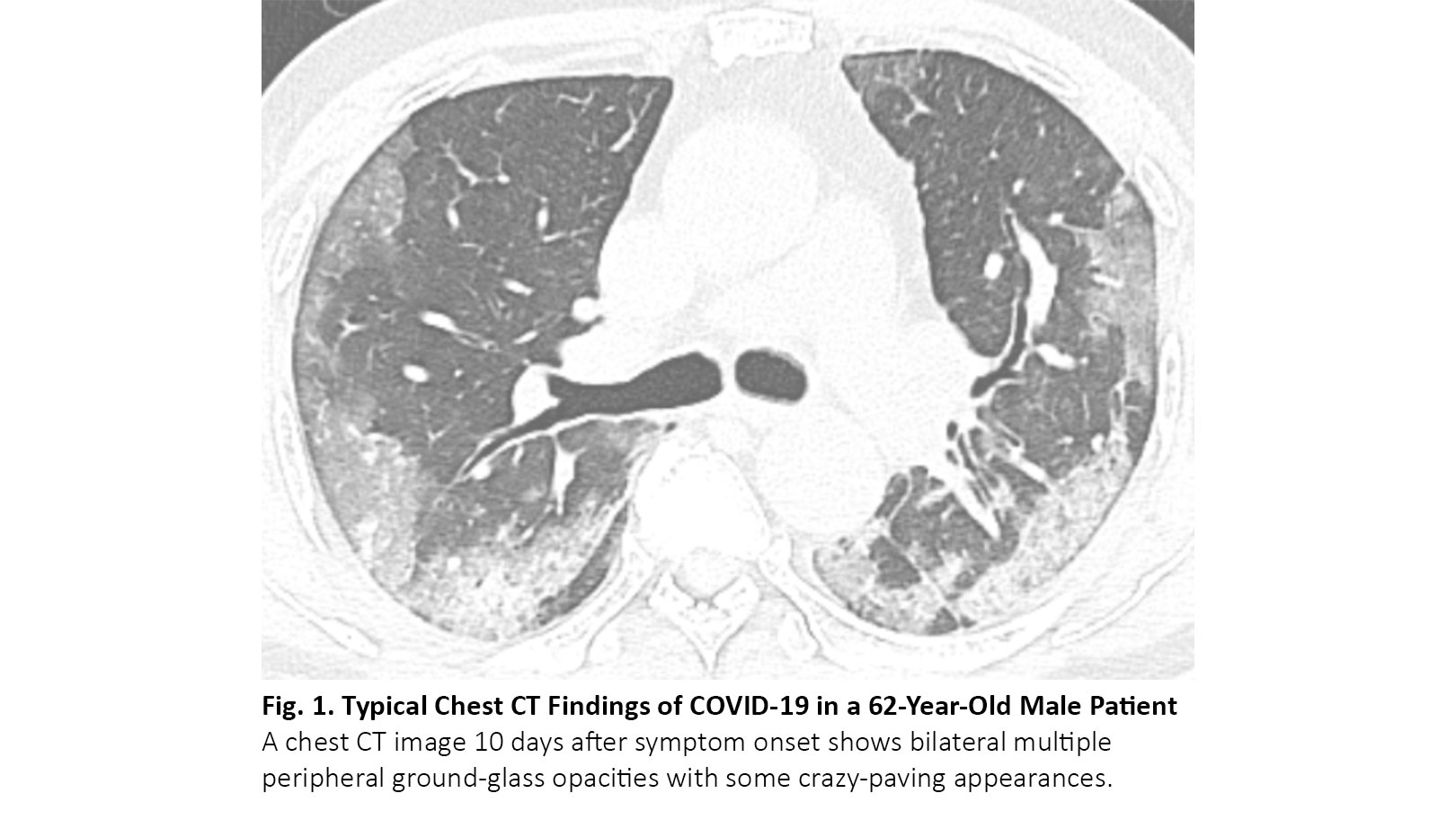
CT Findings of COVID-19 Pneumonia and Mimicking Diseases in Patients With Lung Cancer
The COVID-19 pandemic has caused more than 43.2 million cumulative cases and 1.16 million deaths, as of late October 2020. Approximately 1% of patients with COVID-19 have malignancy,1 and lung cancer accounts for a considerable portion of these malignancies. Patients with lung cancer have often experienced severe disease when they contract COVID-19,2 which highlights the…
-

EGFR/ALK-Mutated NSCLC: Using Real-world Therapeutic Practices to Help Answer Real-world Therapeutic Questions
ILCN Editorial Group member Shirish M. Gadgeel, MD, is Chief of the Division of Hematology/Oncology at the Henry Ford Cancer Institute/Henry Ford Hospital. Dr. Gadgeel is currently working, in conjunction with four other institutions, on a phase II study evaluating pembrolizumab plus chemotherapy in patients with EGFR mutation positive and ALK translocated NSCLC previously treated…
-

Increasing Understanding about the Role Biosimilar Agents in Everyday Practice: A Q&A with Dr. Gary Lyman (Part 1 of 2)
In September 2017, the FDA approved bevacizumab-awwb for the treatment of NSCLC, with the same indications as the tradename agent. Although bevacizumab-awwb is the only biosimilar agent specific to lung cancer, there are many others in development. Gary Lyman, MD, is Professor of Public Health Sciences and Clinical Research at the Fred Hutchinson Cancer Research…
-
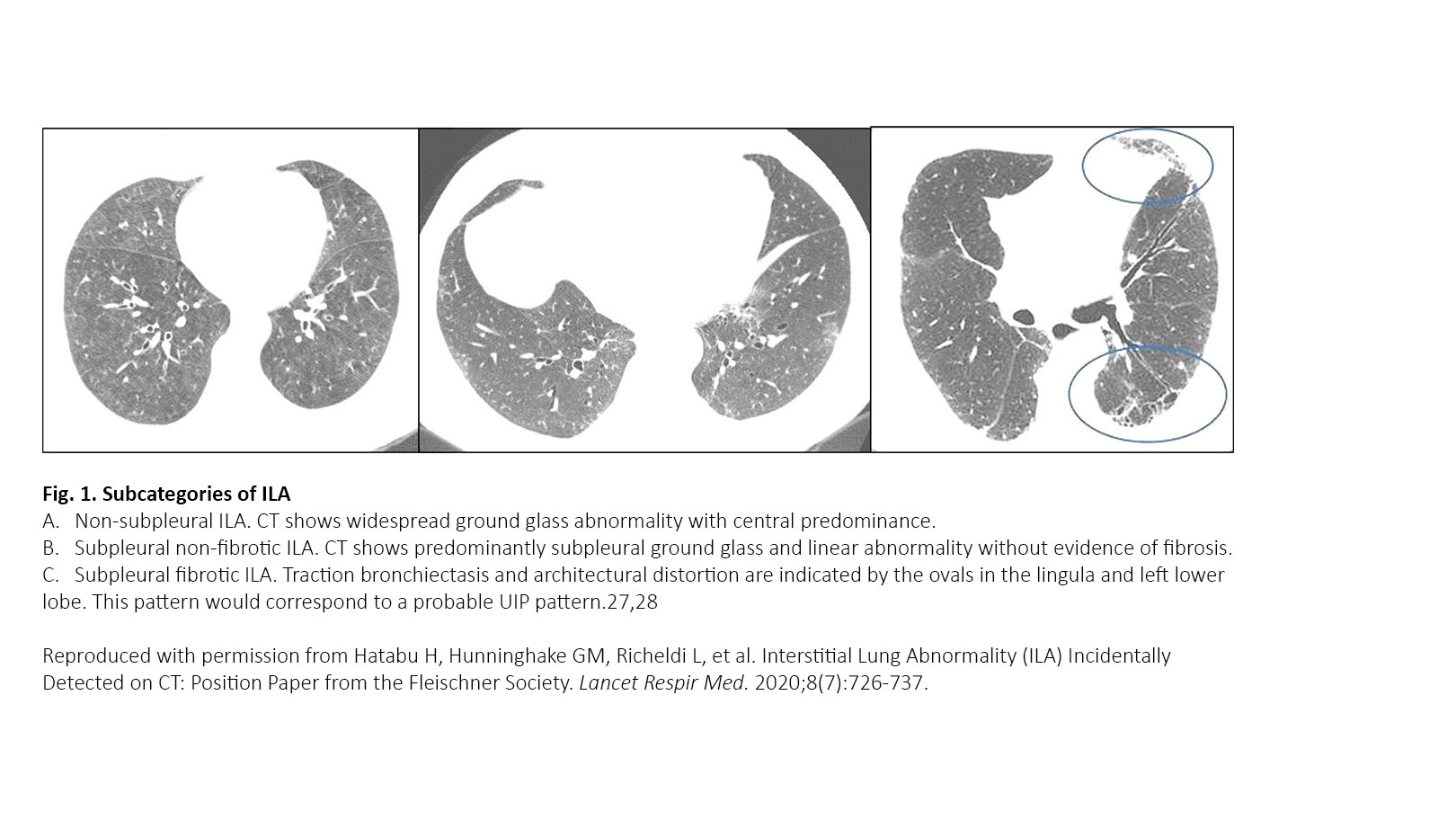
Interstitial Lung Abnormality, Interstitial Lung Disease, and Lung Cancer
As a practicing chest radiologist in Boston, one of this article’s authors (Dr. Hatabu) encounters several patients with drug-related pneumonitis (DRP) daily when on clinical duty. Sometimes DRP coexists with COVID-19 pneumonia or radiation pneumonitis. Recently, clinicians have begun to notice the increased incidence of DRP associated with molecular targeted therapy and immunotherapy in patients…
-

Pembrolizumab Is Active in Lung Cancer Brain Metastases
In Reference To: Goldberg SB, Schalper KA, Gettinger SN, et al. Pembrolizumab for management of patients with NSCLC and brain metastases: long-term results and biomarker analysis from a non-randomised, open-label, phase 2 trial. Lancet Oncol. 2020;21(5)655-663. Many studies over the past several years have clearly demonstrated the efficacy of PD-1 and PD-L1 inhibitors for NSCLC,…
-

Using Tumor Radiomic Features To Predict NSCLC Chemotherapy Response
IN REFERENCE TO: Khorrami M, Jain P, Bera K, et al. Predicting pathologic response to neoadjuvant chemoradiation in resectable stage III non-small cell lung cancer patients using computed tomography radiomic features. Lung Cancer. 2019;135:1-9.
-

Growing Importance and Changing Dynamics: Social Media’s Ever-Changing Role in Thoracic Oncology
Although some resist its gravitational pull, social media and especially Twitter are becoming an increasingly valuable tool in academic and community-based cancer care, with thoracic oncology helping set the pace for its growing presence. As its utility continues to grow, social media has been forging a stronger international community that is no longer limited by…
-

A Lack of Standardization in Toxicity Reporting Leaves the Field Open to Misinformation
With many new lung cancer treatments approved through accelerated tracks based on early-phase (I/II) trial data, we have become increasingly aware of the lack of standards for disclosing toxicities when new therapies debut at professional conferences, which may be months to a few years before they are licensed. We collected toxicity data from all lung…
View ILCN Archives
Provider Resources
Popular Articles