




-
Interim NADIM ADJUVANT Data Suggest Adjuvant Chemo-IO May Reduce Recurrence Risk in Patients Following Complete Resection
-
Final FLAURA2 OS Data Show Osimertinib Plus Chemo Offers Benefit Compared with Monotherapy
-
Potential Impact of GLP1-RAs on TKI-induced Weight Gain in Patients with NSCLC
-
No “Known” Risk Factors: The Health Consequences of Radiation Therapy
-
Discussion Covered Updates, Strategies, and Controversies in Lung Cancer Staging
-
No PFS, OS Benefit Seen in Final Results from PACIFIC-2
-
WCLC Attendees Hear Preview of Proposed Changes for the 9th Edition of the TNM Staging Classification for Thoracic Cancers
-
Treatment of Immunotherapy-Related Dermatologic Toxicities: An Interview with Dr. Mario Lacouture
-
A Holistic Approach to Patient Care
Sign up for news updates
Evolving Standards of Care
-

High Risk of Thromboembolic Events in Patients With NSCLC With ALK/ROS1 Fusions
The relationship between cancer and thromboembolic events as been widely studied since 1895. As we know, venous thromboembolism (VTE) is a well-recognized complication of malignancy, including pulmonary embolism (PE), deep-vein thrombosis (DVT), and migratory thrombophlebitis (Trousseau syndrome). It is reported that patients with cancer have a 4-fold greater risk to suffer from VTE than the…
-

Remotely Monitoring Patients With Cancer Has Applicability During COVID-19 Pandemic and Beyond
The pandemic underscores unmet needs in critical care management and presents an opportunity for learning from patients with cancer.
-

Implications of the PACIFIC Trial in 2020
Approximately one-third of patients with NSCLC are diagnosed with stage III disease.1 Concurrent platinum-based chemotherapy with thoracic radiation (CRT) has been considered the cornerstone of treatment for patients with inoperable stage III disease. Consolidation immunotherapy with the PD-L1 inhibitor durvalumab following CRT has revolutionized the treatment paradigm for patients with locally advanced NSCLC and is…
-

Checkpoint Inhibitors in SCLC: Putting the Most Novel Data in Context
Two separate randomized phase III trials have established atezolizumab (IMpower1331 and durvalumab (CASPIAN2) as first-line treatments for extensive-stage (ES) SCLC in combination with chemotherapy followed by these same checkpoint inhibitors (CPIs) as maintenance on the basis of improvements in OS and PFS outcomes. Hence, the question for clinicians is whether there is a difference between these…
-

Multidisciplinary Tumor Boards: Integrating Best Patient Care and Education in Precision Medicine
One of the pillars of organ-specific tumor centers certified by the German Cancer Society, such as lung, breast, and prostate cancer centers, is a weekly multidisciplinary tumor board (MTD). In our comprehensive cancer center (Center for Integrated Oncology Cologne; CIO), nearly all patients receiving first-line treatment and a substantial portion of patients whose disease has…
-

The Rationale for Local Consolidation Therapy in Oncogene-Driven NSCLC
The availability of effective TKIs for patients with metastatic NSCLC with targetable oncogenes such as EGFR, ALK, ROS1, and BRAF has transformed the treatment landscape, extending median expected OS from approximately 1 year to 3 years or more in recent studies.1,2 Initial treatment with TKIs is accompanied by rapid tumor shrinkage in the vast majority…
-

A Decade of Changes in Lung Cancer, with More to Come
Using data from SEER databases, Howlader and colleagues recently reported that incidence-based mortality from NSCLC in men decreased from 6.3% annually (95% CI, 3.4 to 9.0) from 2013 through 2016, in contrast to the period between 2006 and 2013, when it decreased by 3.1% annually (95% CI:2.8 to 3.3); In women, incidencebased mortality decreased slowly, by 2.3% annually from 2006 through 2014, and then at…
-

Stage IIIA NSCLC: A Review of Recent and Ongoing Trials
Trial data can help inform change to standard of care, but at what point do we say enough data is enough and move forward with combination therapy as the new standard of care?
-
Building and Maintaining a Patient–Physician Relationship in the COVID-19 Era
As oncologists, we recognize that the patient–physician relationship is of utmost importance in establishing the patient’s trust in the physician and in the physician’s ability to learn more about the patient’s needs and perform accurate assessments for treatment planning. The majority of this relationship is established through face-to-face office visits. During this time of unprecedented challenge caused by COVID-19, patients are self-quarantining and medical practices are encouraging virtual…
-
Multidisciplinary Tumor Board: A Single Institution’s Perspective
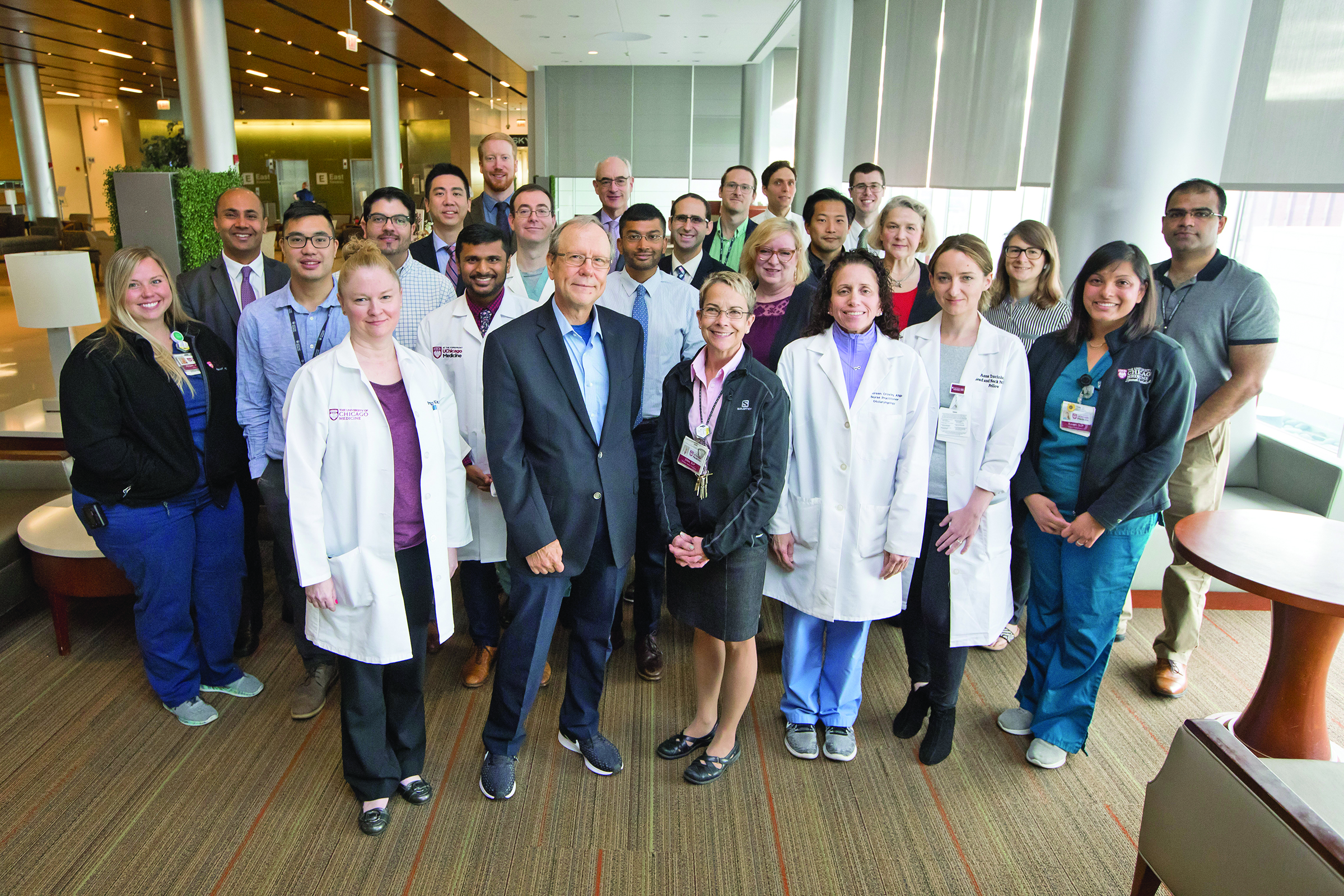
As 7:00 AM approaches, the ninth-floor conference room slowly fills as team members fi le in and find their seats. The senior radiation oncologist identifies his seat in the front row, carefully placing his stack of index cards on the table before him, each identifying a patient’s pertinent history and treatment plan. Soon the room is packed with nurse navigators, clinical research coordinators, residents, fellows, medical…
View ILCN Archives
Provider Resources
Popular Articles