




-
Interim NADIM ADJUVANT Data Suggest Adjuvant Chemo-IO May Reduce Recurrence Risk in Patients Following Complete Resection
-
Final FLAURA2 OS Data Show Osimertinib Plus Chemo Offers Benefit Compared with Monotherapy
-
Potential Impact of GLP1-RAs on TKI-induced Weight Gain in Patients with NSCLC
-
No “Known” Risk Factors: The Health Consequences of Radiation Therapy
-
Discussion Covered Updates, Strategies, and Controversies in Lung Cancer Staging
-
No PFS, OS Benefit Seen in Final Results from PACIFIC-2
-
WCLC Attendees Hear Preview of Proposed Changes for the 9th Edition of the TNM Staging Classification for Thoracic Cancers
-
Treatment of Immunotherapy-Related Dermatologic Toxicities: An Interview with Dr. Mario Lacouture
-
A Holistic Approach to Patient Care
Sign up for news updates
WCLC 2020 Archive
-
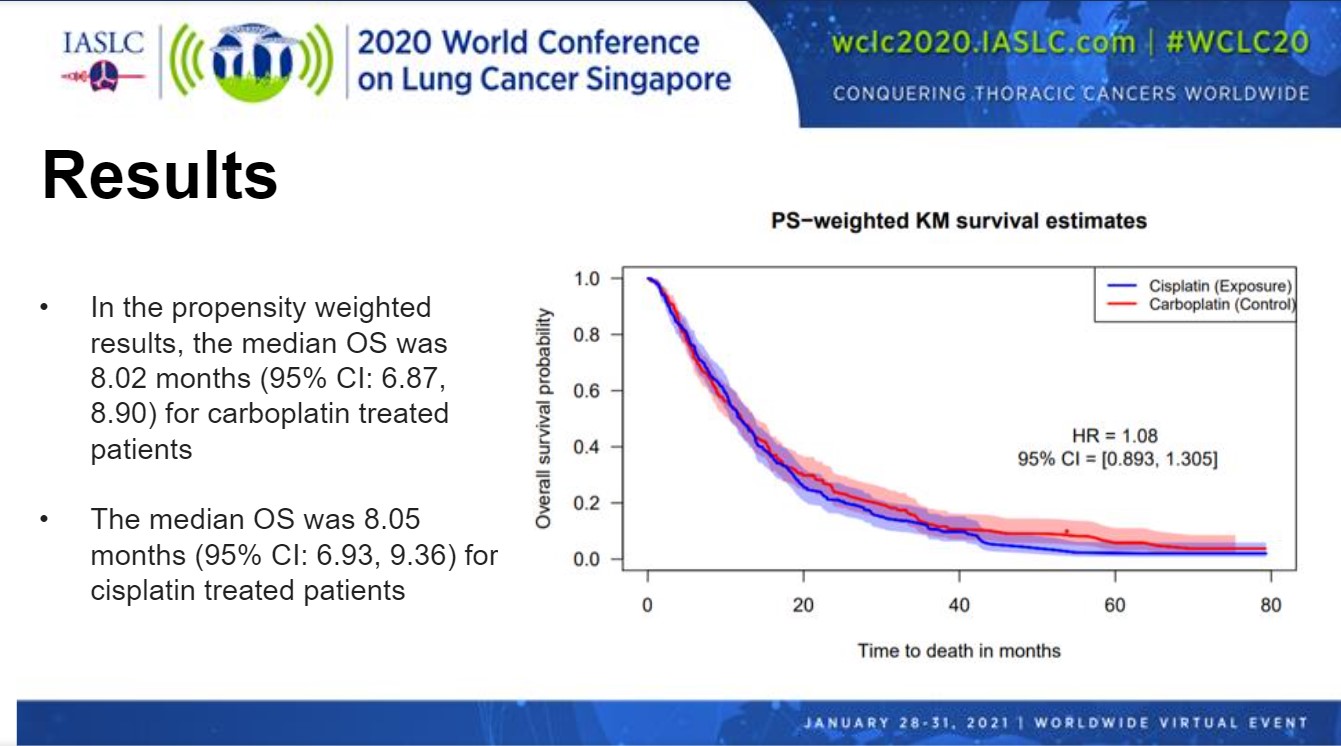
Real-World Data Show That Survival Just as Good With Carboplatin Therapy as With Cisplatin Therapy in Malignant Pleural Mesothelioma
The largest real-world cohort study of individuals with malignant pleural mesothelioma (MPM) found a median survival duration of 8 months regardless of whether patients received first-line treatment with cisplatin-based chemotherapy or carboplatin-based chemotherapy (OA09.05). This bodes well for patients with MPM, who are often elderly, frail, and unable to tolerate cisplatin. “For MPM patients who…
-
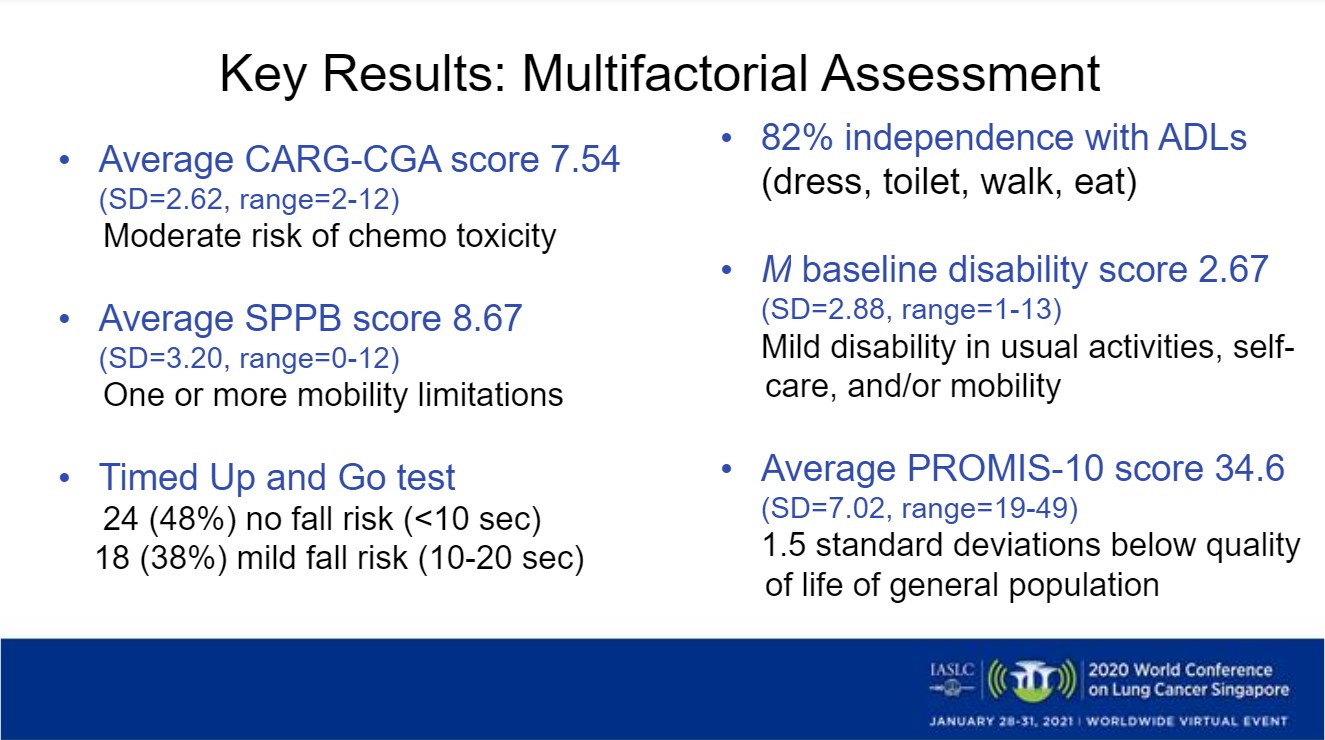
A Holistic Approach to Patient Care
Treating the whole patient, not just the disease, is a basic tenet of holistic care. Understanding the physical, emotional, and spiritual needs of patients can help providers provide optimal care and improve outcomes. Stress comes in many forms, and some patients need help building resilience and stress-management skills. A New Approach to Assessing Patients’ Fitness…
-
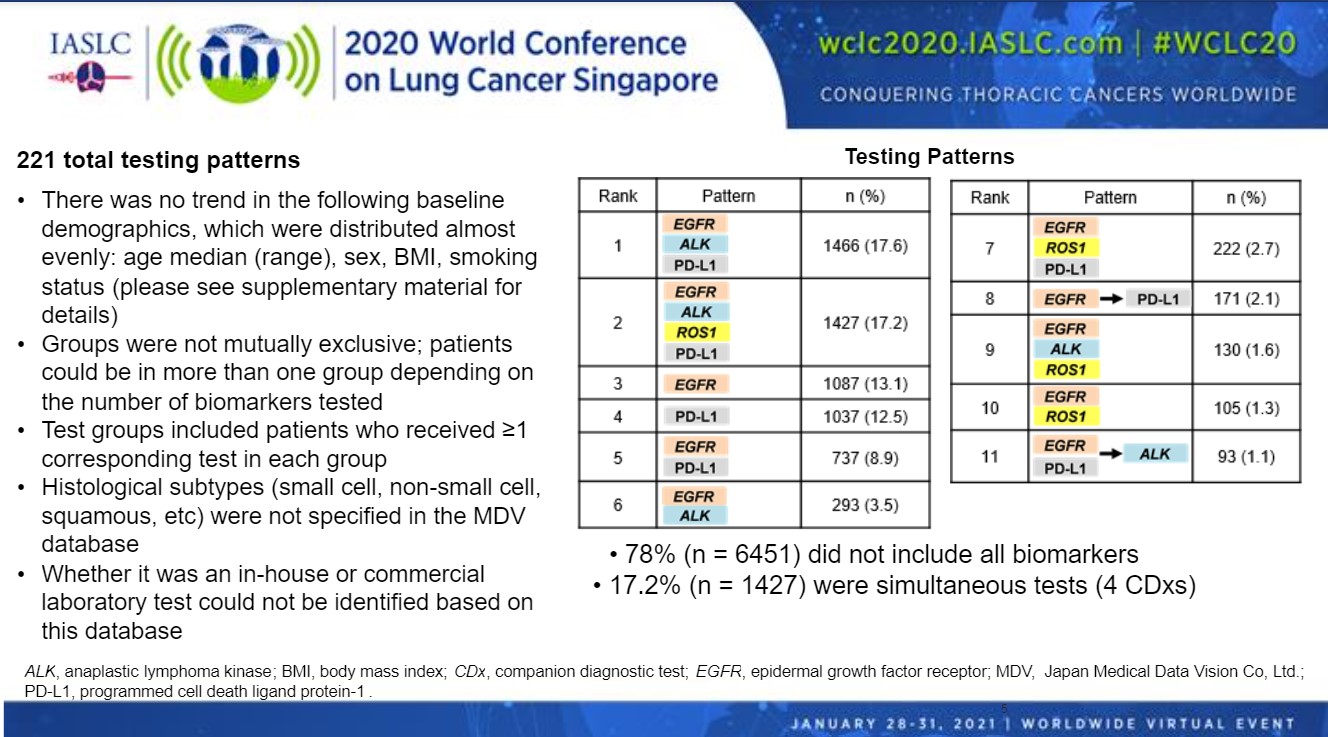
Lung Cancer Biomarker Testing Patterns Varied Widely in Japan
A significant number of patients with lung cancer did not undergo testing for all relevant biomarkers, according to real-world data from a study in Japan (MA08.08), and use of simultaneous testing compared with sequential testing may affect time to treatment. Yasushi Yatabe, MD, PhD, of the department of diagnostic pathology, National Cancer Center Hospital, Tokyo,…
-
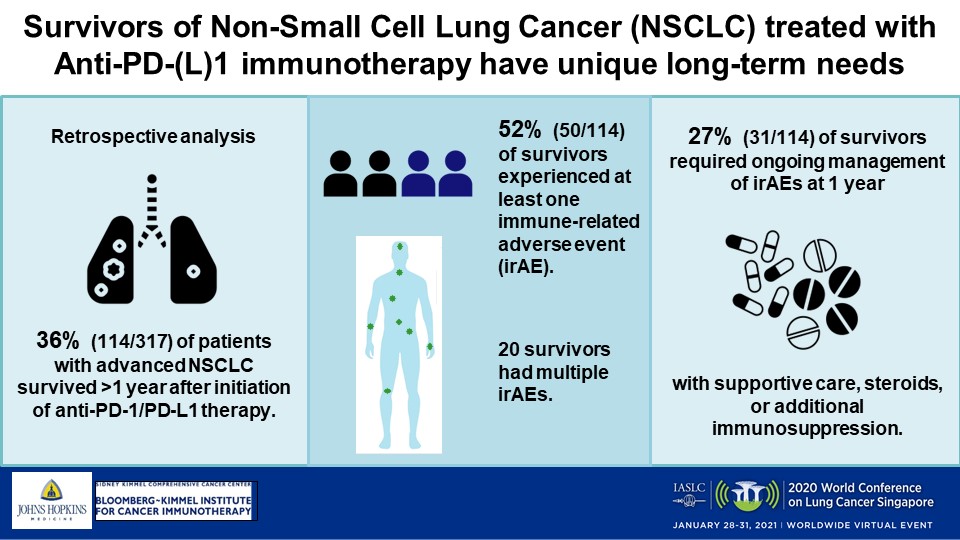
Management of Long-Term Immune-Related Toxicities Needed in NSCLC
While checkpoint inhibitors have improved the outlook for patients with advanced NSCLC, more information is needed about the long-term toxicities caused by the drugs and how they should be managed. A retrospective study (MA07.05) shed light not only on the power of PD-1/PD-L1 inhibitors to improve overall survival (OS) in this population but also on…
-
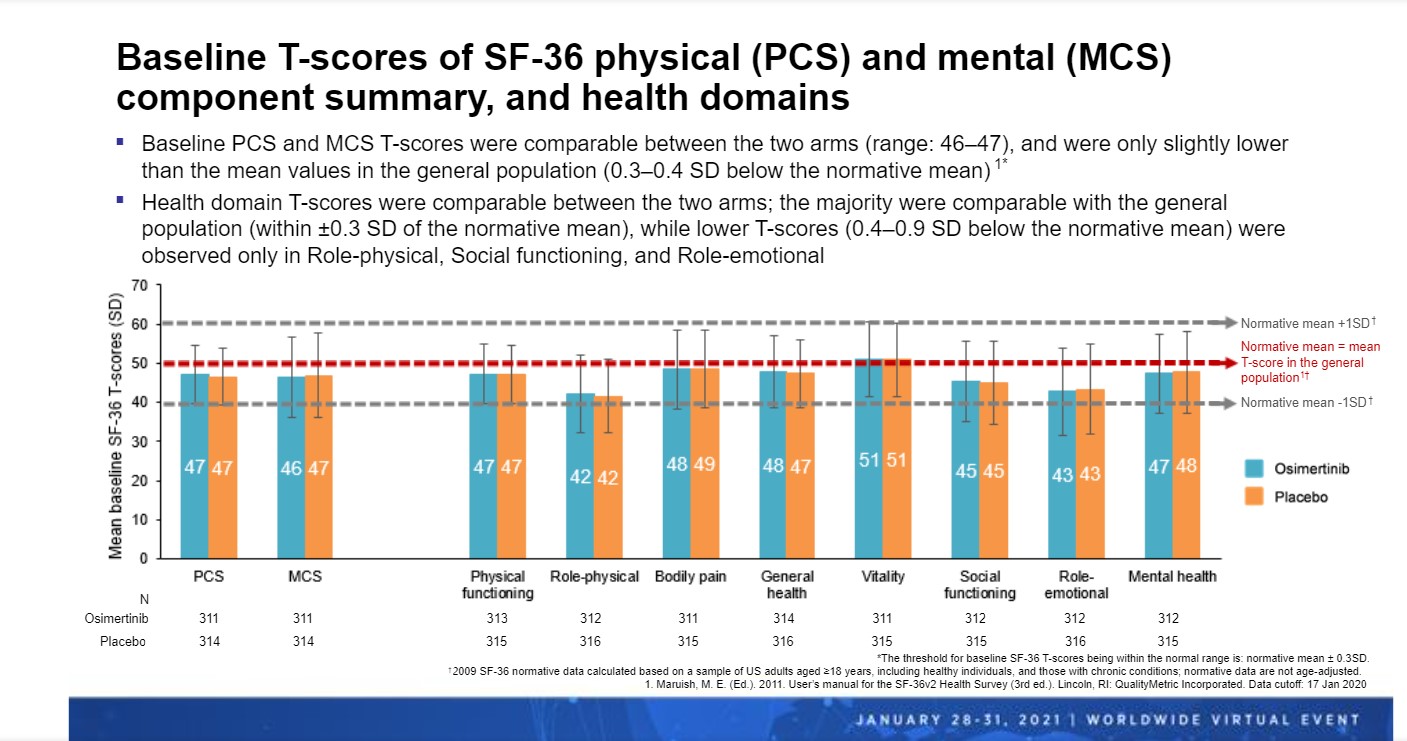
Additional ADAURA Analyses Help Support the Benefit of Adjuvant Osimertinib in Patients With Resected EGFR-Mutated NSCLC
The randomized phase III ADAURA trial stirred up considerable excitement last year when results from an unplanned interim analysis revealed an 80% reduction in the risk of disease recurrence or death with use of adjuvant osimertinib in comparison with placebo among patients with stage IB to IIIA NSCLC, far exceeding expectations for the global trial.1…
-

Practice-Changing Initiatives Benefit the Medical Team, Patients
The social and emotional needs of patients are increasingly being recognized as equally important to their physical needs, and use of multidisciplinary teams is helping to bridge the gaps between clinical and psychosocial care. The Education Session “Practice Changing Initiatives” (ES11) addressed exciting initiatives to move the field forward while helping patients become better advocates…
-
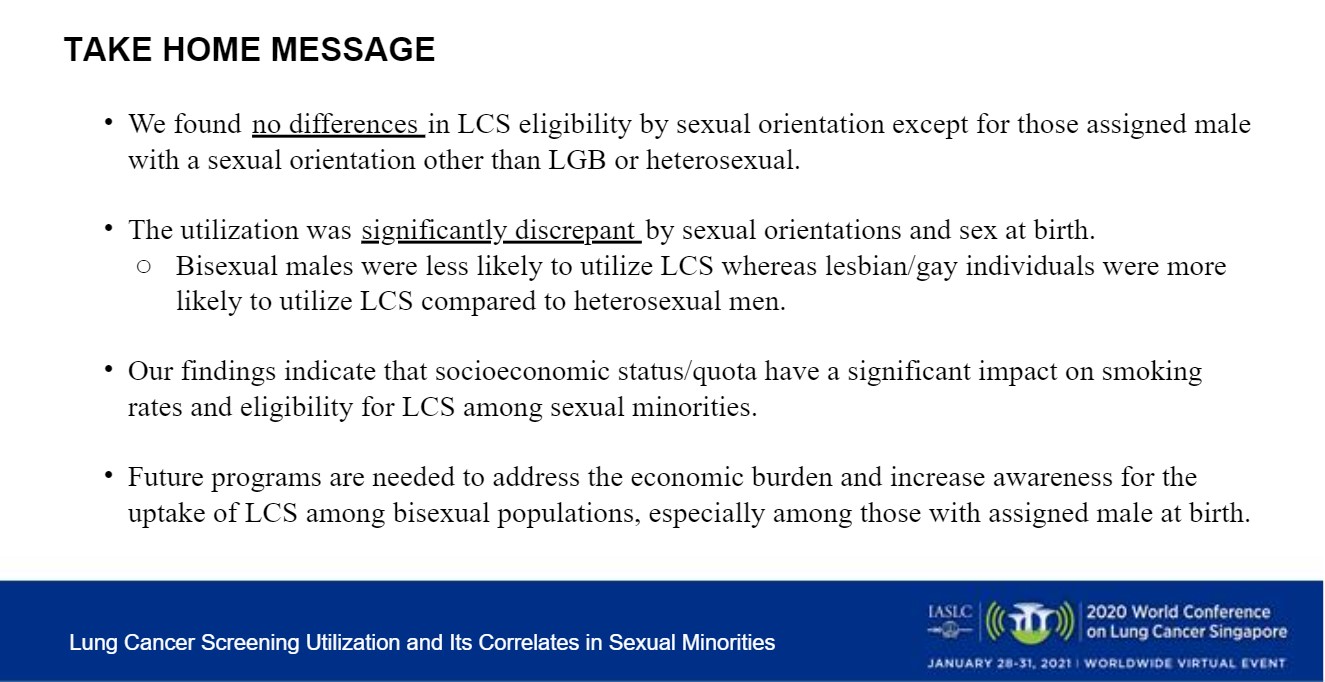
Addressing Lung Cancer Screening Disparities in the LGBT Community
Historically, sexual minorities have been underserved in the healthcare setting. Members of this patient population may be less likely to receive optimal care, especially when it comes to preventive care such as lung cancer screening—a topic that was discussed during the Mini Oral Abstract Session “MA04: Health Policy and the Real World.” The older (between…
-
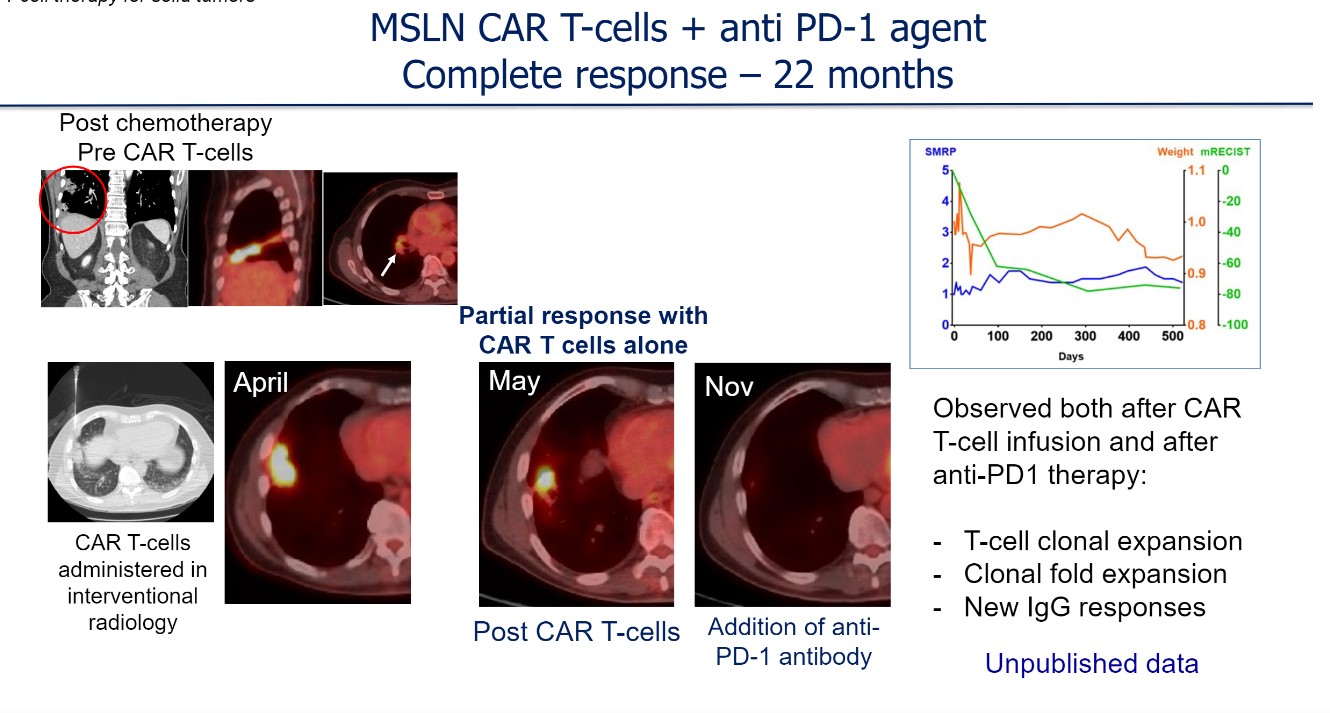
Translating Early Research to Adapt CAR T-Cell Therapy to Solid Tumors
Although the initial research into adoptive T-cell therapy for solid tumors was related to tumor-infiltrating lymphocytes, there is a growing interest in the use of adoptive T-cell therapy for the treatment of these diseases. As part of Friday’s Plenary session “PL03: Bench to Bedside (Immunology),” Prasad S. Adusumilli, MD, FACS, attending and deputy chief of…
-
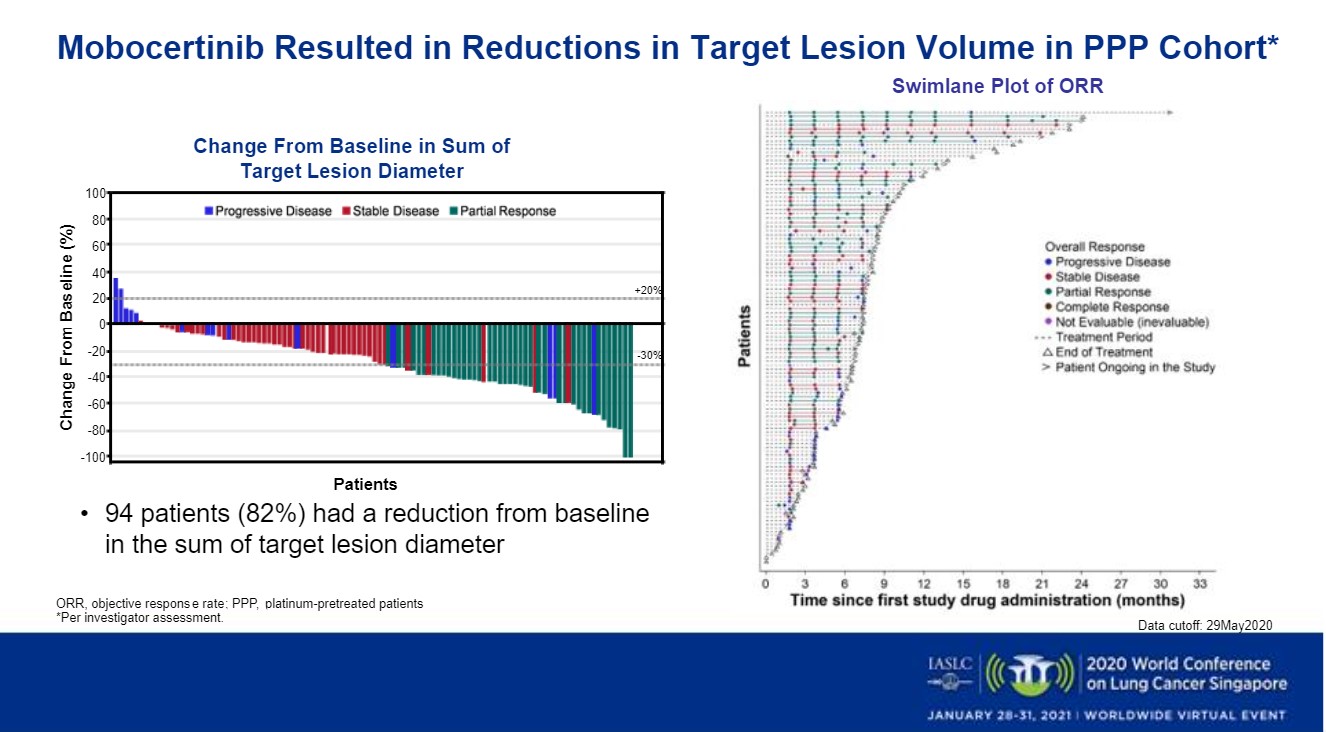
Mobocertinib May Offer Effective, Safe Treatment in NSCLC with EGFR Exon 20 Insertion Mutation
With no approved treatments for advanced NSCLC with EGFR exon 20 insertion mutations, treatment is mainly limited to chemotherapy, as these cancers don’t respond to traditional tyrosine kinase inhibitors (TKIs). But previously treated patients with this rare subtype responded to mobocertinib, with a manageable safety profile, in a phase I/II trial discussed during (OA04: New…
-
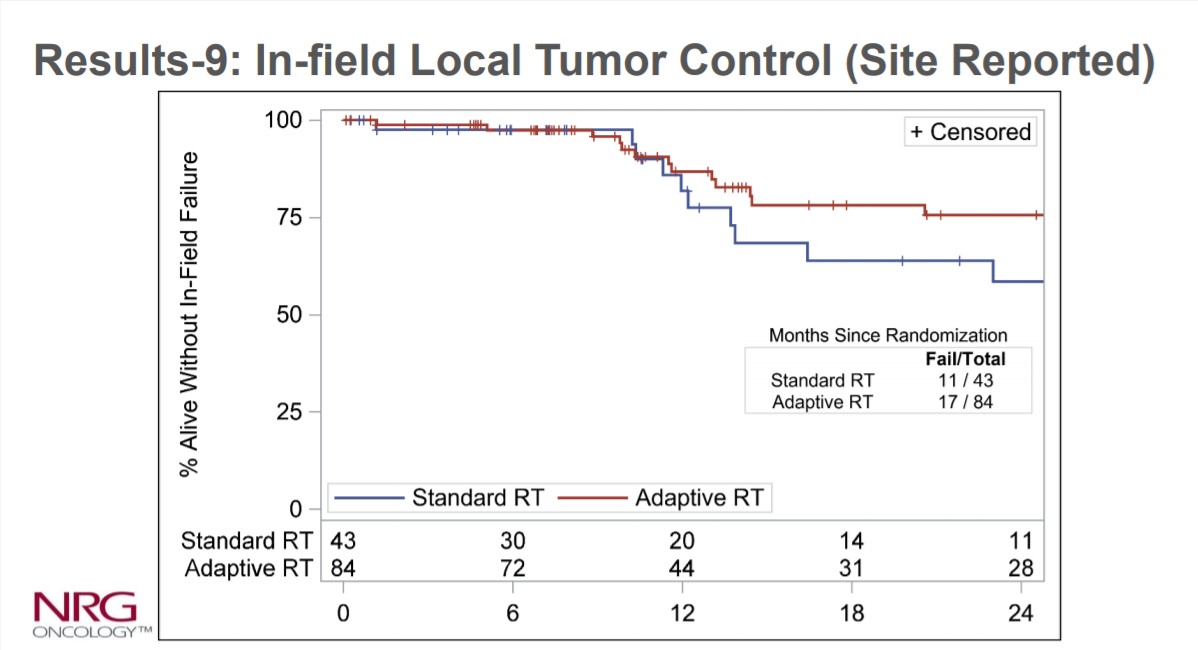
More Data Needed on Benefit of Adaptive Radiation Approaches in Locally-Advanced NSCLC
The results of one phase II study looking at PET/CT-guided adaptive radiation therapy and one PET boost trial in locally advanced NSCLC were presented in an Oral Abstract Session (OA2). Previously published, long-term results of the ROTG 0617 trial showed that high-dose (74 Gy given in 2 Gy daily fractions that prolonged overall treatment time)…
View ILCN Archives
Provider Resources
Popular Articles