




-
Interim NADIM ADJUVANT Data Suggest Adjuvant Chemo-IO May Reduce Recurrence Risk in Patients Following Complete Resection
-
Final FLAURA2 OS Data Show Osimertinib Plus Chemo Offers Benefit Compared with Monotherapy
-
Potential Impact of GLP1-RAs on TKI-induced Weight Gain in Patients with NSCLC
-
No “Known” Risk Factors: The Health Consequences of Radiation Therapy
-
Discussion Covered Updates, Strategies, and Controversies in Lung Cancer Staging
-
No PFS, OS Benefit Seen in Final Results from PACIFIC-2
-
WCLC Attendees Hear Preview of Proposed Changes for the 9th Edition of the TNM Staging Classification for Thoracic Cancers
-
Treatment of Immunotherapy-Related Dermatologic Toxicities: An Interview with Dr. Mario Lacouture
-
A Holistic Approach to Patient Care
Sign up for news updates
March 2024
-

Regulating Artificial Intelligence
The US FDA’s Dr. Harpreet Singh talks with ILCN about what the increasing use of AI means for the agency as it works to ensure drugs and devices are safe and effective.
-

Experts Debate Addition of Frontline Chemotherapy for EGFR+ NSCLC
In light of data from FLAURA2 and MARIPOSA, Drs. Suresh Ramalingam and Joshua Sabari weighed the pros and cons during the 2024 TTLC meeting.
-

Should Biomarkers Be Used in the Clinical Management of ES-SCLC?
During a recent debate, Drs. Anne Chiang and Stephen Liu offered differing perspectives on the feasibility of biomarker use in the small-cell lung cancer space.
-

US FDA Grants Breakthrough Therapy Designation for Novel TKI Targeting HER2, EGFR
The move was supported by preliminary evidence from a phase I, first-in-human study in patients with advanced NSCLC.
-
In Case You Missed It: IASLC Launches New Education Center
Lung Cancer 360 offers a centralized hub for thoracic oncology learning opportunities spanning multiple disciplines and formats.
-

Food as Medicine: Research Aims to Understand the Power of Nutrition in Treating Cancer
In an interview with ILCN, Dr. Carolyn Presley discusses combating malnourishment in vulnerable populations and the role of the microbiome in immunotherapy efficacy.
-

Debaters Argue Merits of Surgery in Malignant Meso in Light of MARS2 Data
Surgeon Erin Gillaspie, MD, said surgery still has a role in the treatment of mesothelioma while medical oncologist Hedy Kindler, MD, said newer systemic therapies make surgery obsolete in this space.
-

Can pCR Be an Early Clinical Trial Endpoint? Initiative Aims to Answer That Question
Dr. Mark Kris, who leads the IASLC Pathologic Response Project, recently provided an update on efforts to collect data to confirm whether pathologic complete response can predict long-term outcomes.
-
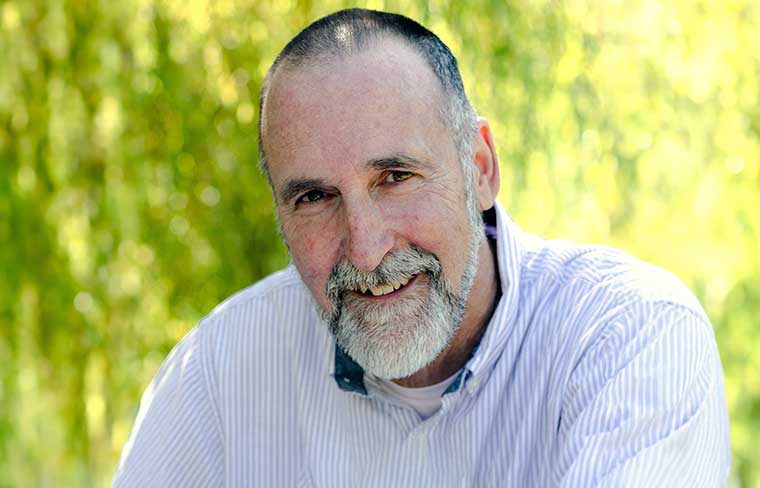
Words Matter: Coping with Misinformation in Healthcare
Advocate Angus Pratt explores the issues patients face while researching their disease when inaccurate and out-of-date information is everywhere.
-
US FDA Approves Frontline Amivantamab Combination for Patients with EGFR exon 20 Insertion-mutated NSCLC
The agency also granted approval to amivantamab as a treatment for patients with locally advanced or metastatic NSCLC with EGFR exon 20 insertion mutations who progressed on or after platinum-based chemotherapy.
View ILCN Archives
Provider Resources
Popular Articles