





-
Interim NADIM ADJUVANT Data Suggest Adjuvant Chemo-IO May Reduce Recurrence Risk in Patients Following Complete Resection
-
Final FLAURA2 OS Data Show Osimertinib Plus Chemo Offers Benefit Compared with Monotherapy
-
Potential Impact of GLP1-RAs on TKI-induced Weight Gain in Patients with NSCLC
-
No “Known” Risk Factors: The Health Consequences of Radiation Therapy
-
Discussion Covered Updates, Strategies, and Controversies in Lung Cancer Staging
-
No PFS, OS Benefit Seen in Final Results from PACIFIC-2
-
WCLC Attendees Hear Preview of Proposed Changes for the 9th Edition of the TNM Staging Classification for Thoracic Cancers
-
Treatment of Immunotherapy-Related Dermatologic Toxicities: An Interview with Dr. Mario Lacouture
-
A Holistic Approach to Patient Care
Sign up for news updates
-
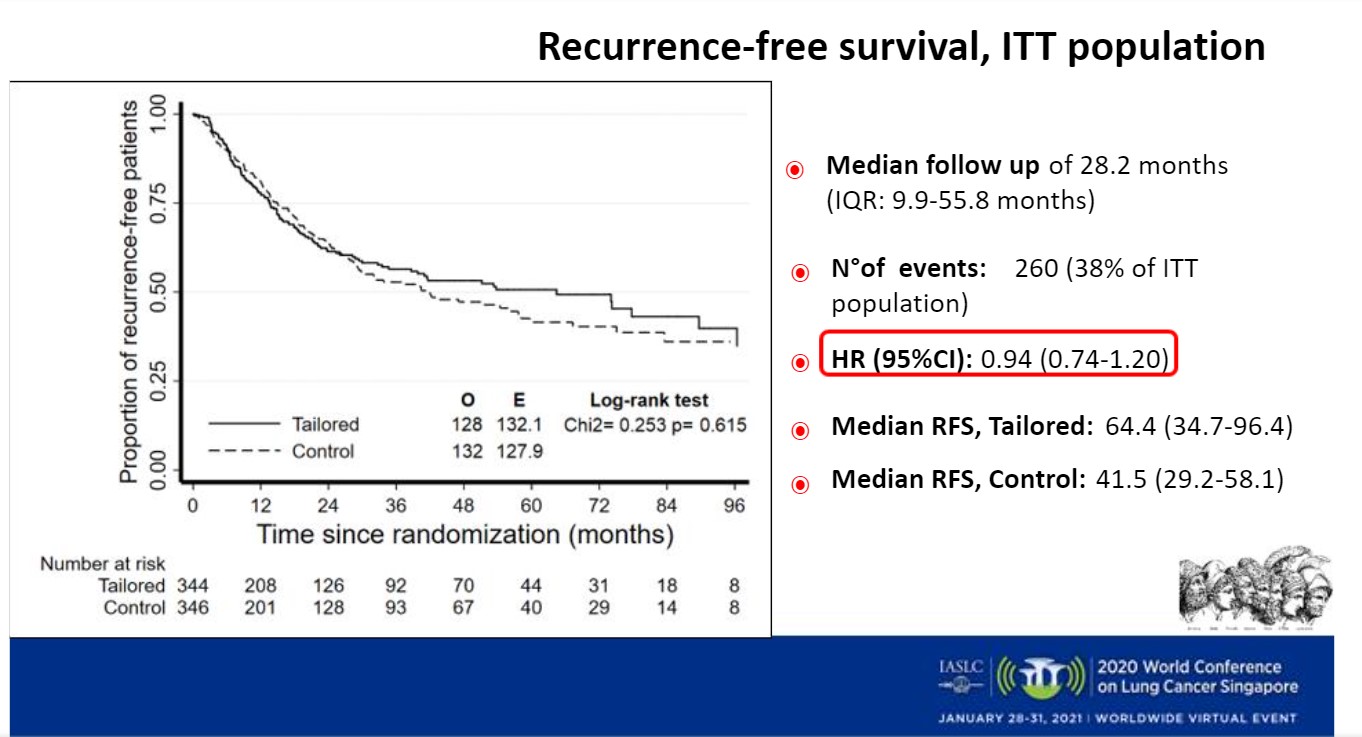
Genetically Tailored Treatment Approach Did Not Improve Survival in Stage II-III NSCLC
Evaluation of mRNA expression of selected genes to tailor adjuvant chemotherapy did not improve survival outcomes in patients with resected stage II-III NSCLC, according to results of the ITACA study, presented during the Presidential Symposium. “Despite its modest survival advantages cisplatin-based chemotherapy is considered the standard of care for early-stage completely resected non-small cell lung…
-
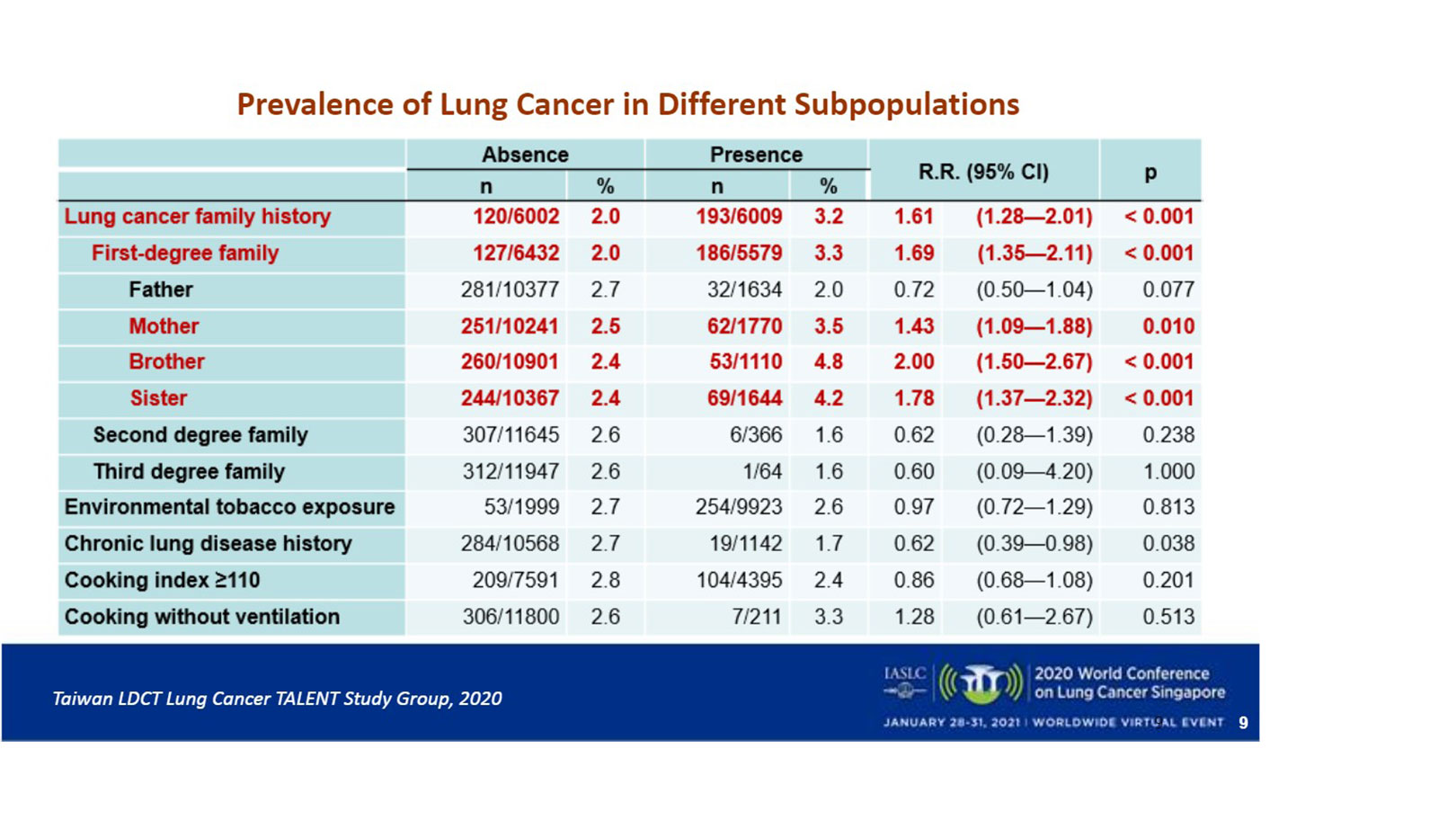
Lung Cancer Screening Study in East Asia Successful at Identifying Early-Stage Disease
TALENT, a national lung cancer screening study conducted in Taiwan in 12,011 individuals, uncovered the presence of lung cancer in 2.6% of the study population (Abstract PS01.02). These results are striking, not only because they exceed the 1.1% and 0.9% lung cancer detection rates documented in the US National Lung Screening Trial1 and the NELSON…
-
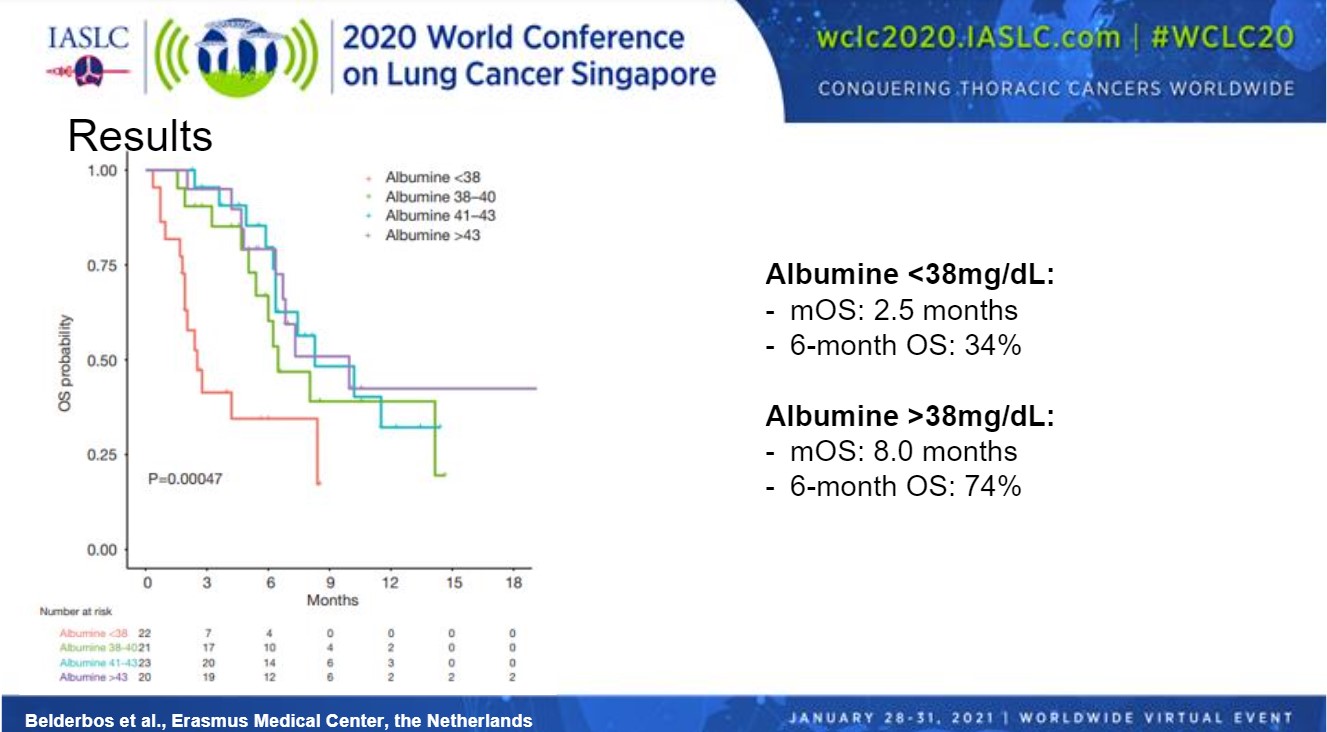
Real-World Data Shows Less Benefit for Mesothelioma from Checkpoint Inhibitors Vs. Clinical Trials
Approximately 10% of “real-world” patients with malignant pleural mesothelioma (MPM) benefitted from checkpoint inhibitor therapy with nivolumab, according to the results of a trial presented by Robert A. Belderbos, MD, of Erasmus Medical Center, the Netherlands, during OA09: Mesothelioma from Pathogenesis to Therapy. MPM is an uncommon cancer with low survival rates between 9 to…
-
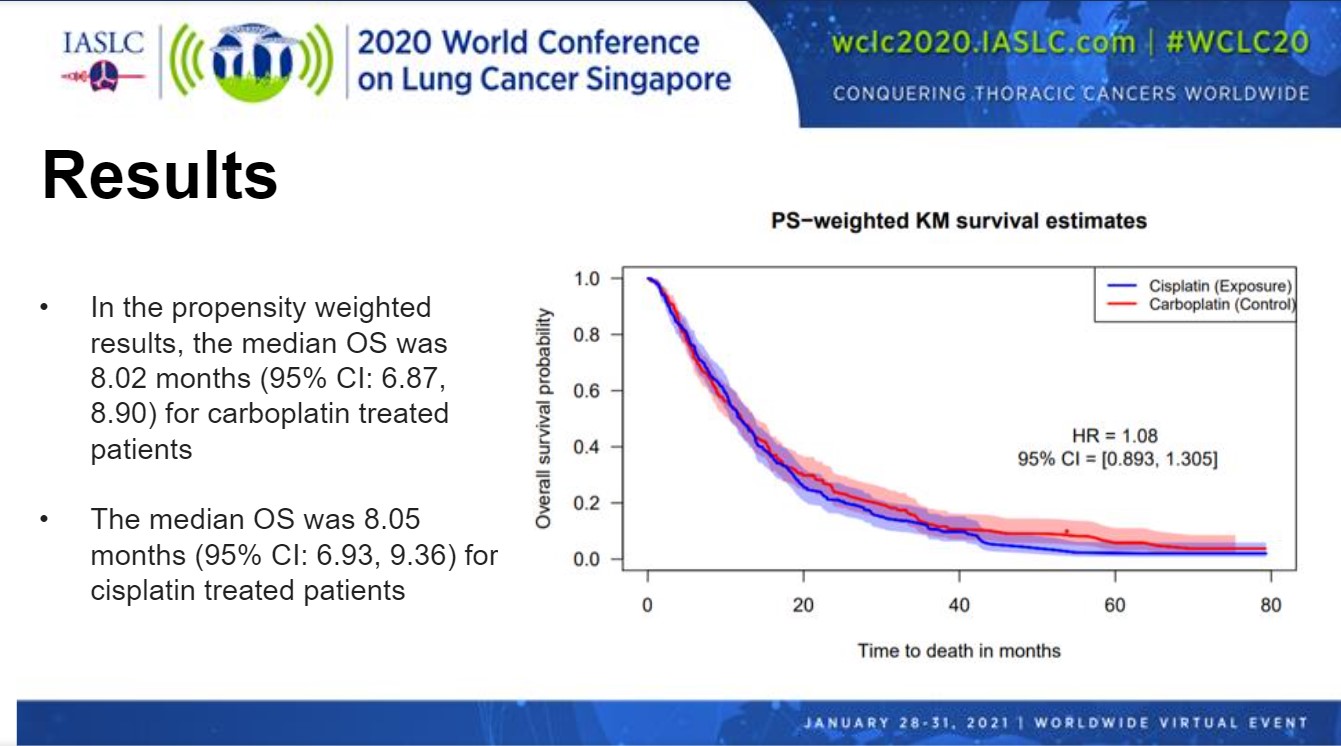
Real-World Data Show That Survival Just as Good With Carboplatin Therapy as With Cisplatin Therapy in Malignant Pleural Mesothelioma
The largest real-world cohort study of individuals with malignant pleural mesothelioma (MPM) found a median survival duration of 8 months regardless of whether patients received first-line treatment with cisplatin-based chemotherapy or carboplatin-based chemotherapy (OA09.05). This bodes well for patients with MPM, who are often elderly, frail, and unable to tolerate cisplatin. “For MPM patients who…
-
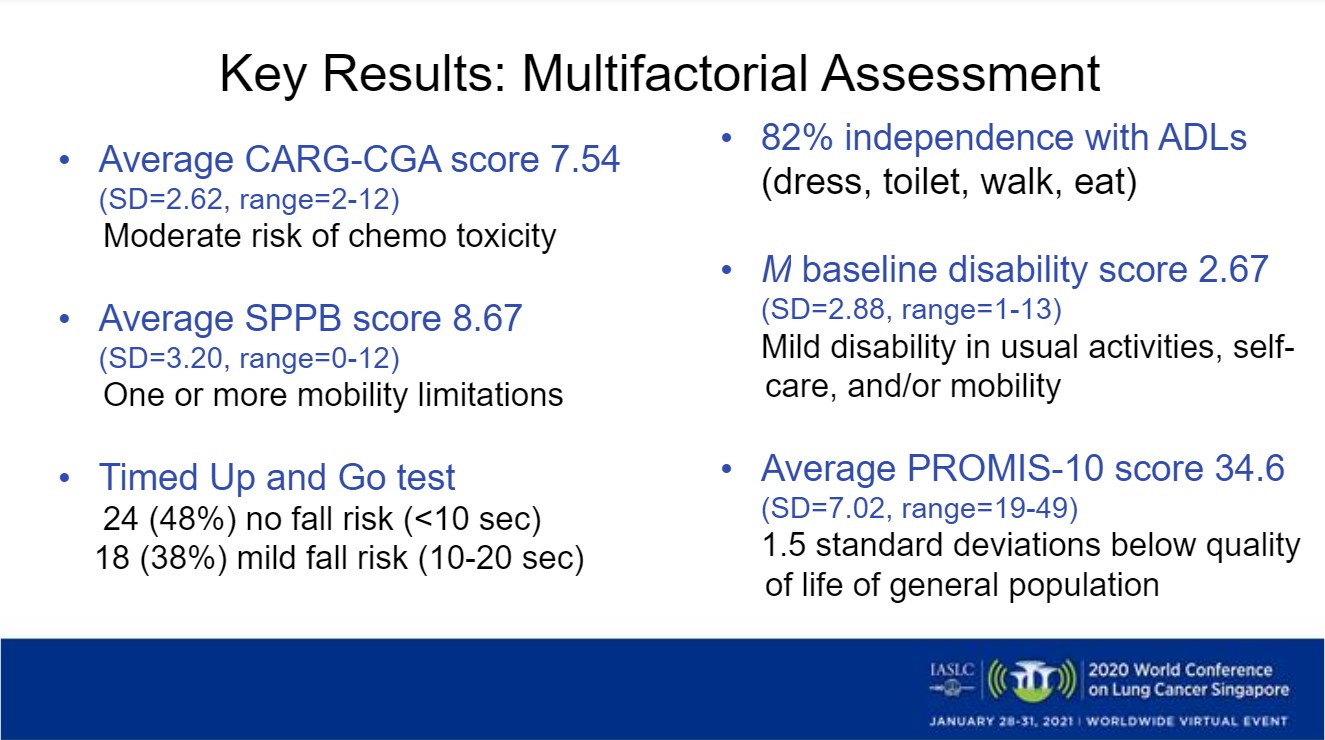
A Holistic Approach to Patient Care
Treating the whole patient, not just the disease, is a basic tenet of holistic care. Understanding the physical, emotional, and spiritual needs of patients can help providers provide optimal care and improve outcomes. Stress comes in many forms, and some patients need help building resilience and stress-management skills. A New Approach to Assessing Patients’ Fitness…
-
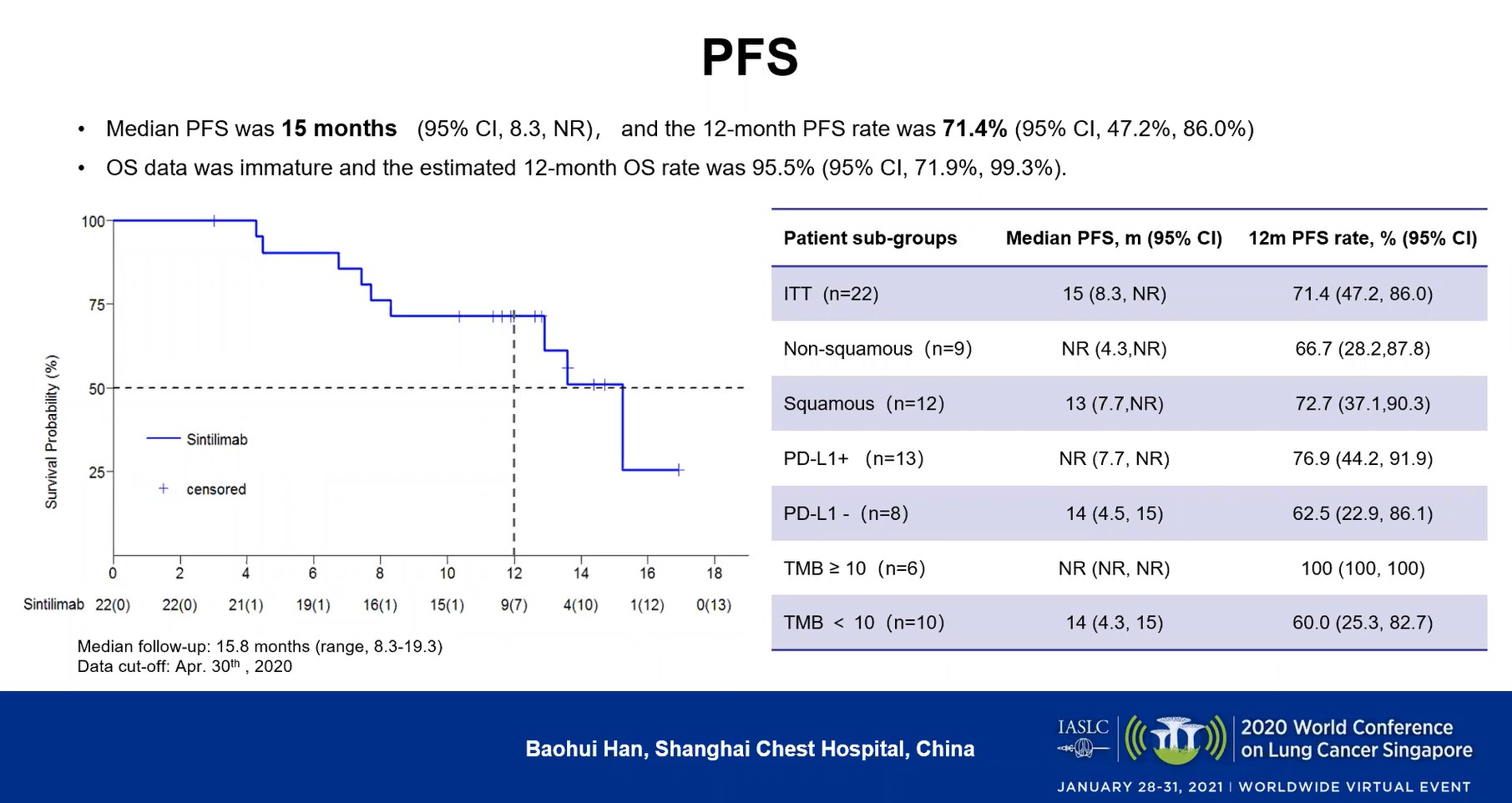
TKI Plus Checkpoint Inhibitor Without Chemotherapy Shows Promise as Initial Option in Advanced NSCLC
The combination of an anti-angiogenic tyrosine kinase inhibitor (TKI) and an anti-PD-1 immunotherapy proved promising, regardless of PD-L1 expression levels, as a first-line therapy for treatment-naïve patients with advanced NSCLC who did not harbor known driver gene mutations. In a small phase I trial combining the TKI anlotinib and the immunotherapy sintilimab, the overall response…
-
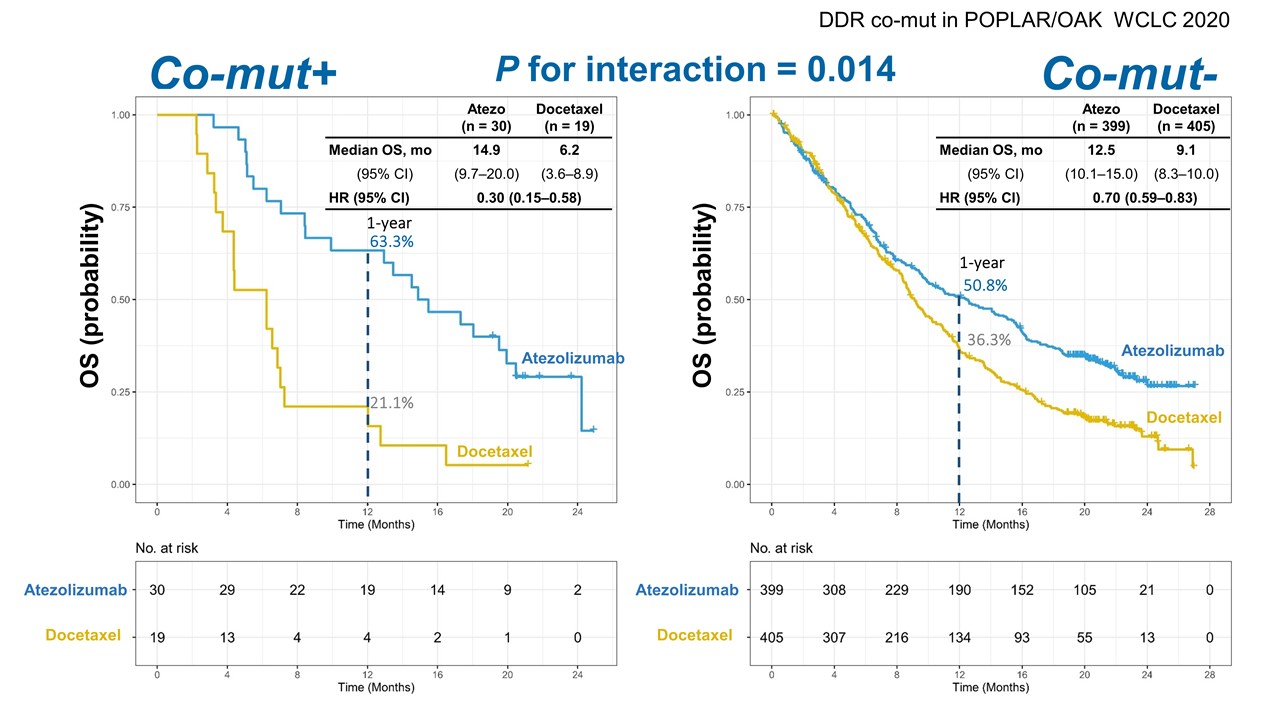
Co-mutations in DNA Damage-Response Pathways May Predict Effectiveness of Checkpoint Inhibitors in NSCLC
NSCLC that harbors more than one DNA damage-response (DDR) gene alteration is more likely to respond to immunotherapy than disease that harbors one or no such mutations. So concluded investigators who analyzed next-generation sequencing (NGS) of the circulating tumor DNA of patients with advanced NSCLC who had received the PD-L1 inhibitor atezolizumab or the chemotherapy…
-
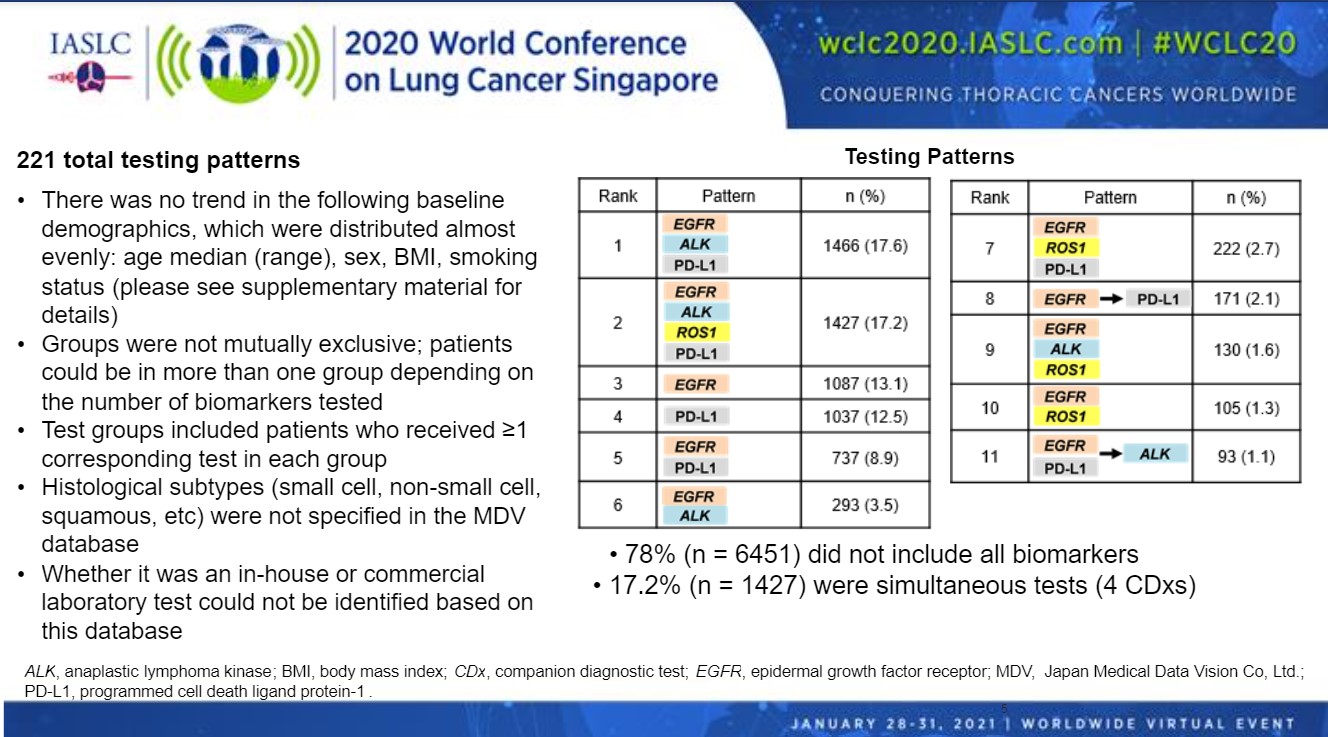
Lung Cancer Biomarker Testing Patterns Varied Widely in Japan
A significant number of patients with lung cancer did not undergo testing for all relevant biomarkers, according to real-world data from a study in Japan (MA08.08), and use of simultaneous testing compared with sequential testing may affect time to treatment. Yasushi Yatabe, MD, PhD, of the department of diagnostic pathology, National Cancer Center Hospital, Tokyo,…
-
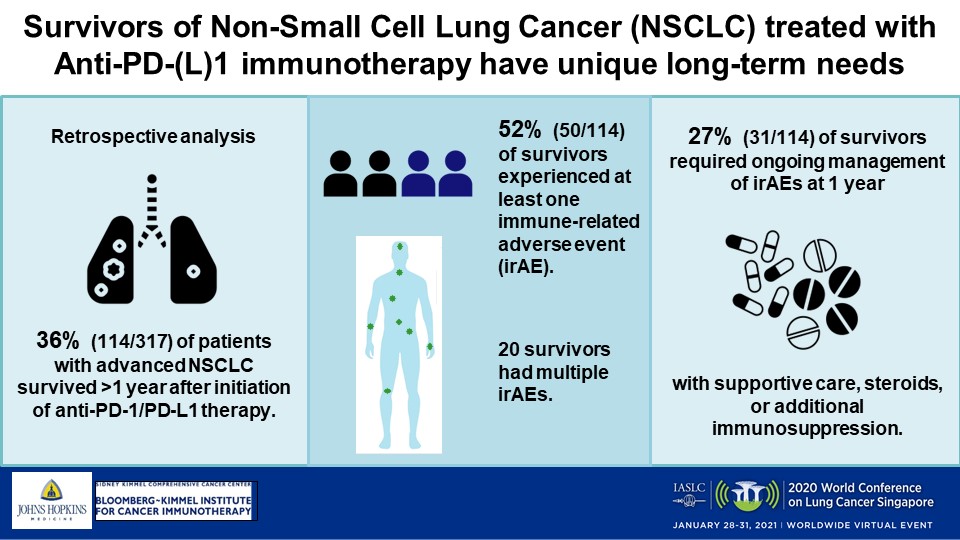
Management of Long-Term Immune-Related Toxicities Needed in NSCLC
While checkpoint inhibitors have improved the outlook for patients with advanced NSCLC, more information is needed about the long-term toxicities caused by the drugs and how they should be managed. A retrospective study (MA07.05) shed light not only on the power of PD-1/PD-L1 inhibitors to improve overall survival (OS) in this population but also on…
-

Raising Awareness about Lung Cancer Screening among Minorities, People Who Smoke
Minorities are at significantly higher risk for developing lung cancer than whites, even with the same smoking history. In an attempt to, in part, address this disparity, the U.S. Preventive Services Task Force (USPSTF) proposed more inclusive screening guidelines that lowered the age and smoking history for candidates to qualify for screening.1 Presentation MA05.10, “Performance…

View ILCN Archives
Provider Resources
Popular Articles